

Spot Chase Figures: Funko Clues and Toylandeu Care Tips for Collectors
A chase figure is a limited variant of a standard collectible, deliberately shortpacked into a production run so only a fraction of buyers ever find one by chance. Collectors chase them because the odds are stacked against pulling one, and that scarcity drives real premiums on the secondary market. Funko Pop chases, with their glow-in-the-dark paint or metallic finishes hiding inside identical boxes, are the clearest modern example of how the concept works.
TL;DR:
- Chase ratios vary widely, commonly around one in several cases for Funko Pop, but no guarantee exists in individual cases, making luck a factor.
- Identifying chase figures involves checking if the box number and barcode match the standard version, and verifying the presence of a chase sticker and visible variant traits.
- Chase figures’ resale value largely depends on their rarity and whether the original production run is vaulted, which permanently limits supply and increases premiums.
- Retailers cannot set aside chase variants for customers, as they receive sealed cases directly from manufacturers, so chasing depends entirely on random distribution.
- The mechanic originated from trading card chase inserts, and in toy collectibles, it creates excitement through randomness, but overpaying for a chase without proper research is common.
Table of Contents
- What Chase Figure Meaning Covers: Definition, Origin, and Common Variants
- How Chase Figures Get Made and Shipped to Stores
- How to Spot a Chase Figure Before You Buy
- Why Rarity Turns Into Real Resale Value
- Smart Storage and Buying Habits for Chase Hunters
- Where the Chase Figure Concept Came From
- Notable Chase Figures Collectors Actually Chase
- Myths That Trip Up New Chase Hunters
- Why the Chase Still Matters to Collector Culture
- Sources
- FAQ
- Recommended Reads
What Chase Figure Meaning Covers: Definition, Origin, and Common Variants
A chase figure is a variant of a mainline collectible that manufacturers intentionally shortpack into a case, so it turns up at random rather than by request. The term borrows its logic from chase cards in trading card games, where a handful of special inserts got mixed into packs of otherwise ordinary cards to keep buyers opening more product. Toy companies adopted the same trick, and it stuck because it works.
Reference sources on collecting culture describe chase figures as a mechanic that thrives in collector-oriented lines rather than child-focused toy lines, which explains why you see it constantly in vinyl figures and adult-skewed action figure lines but rarely in mass-market kids’ toys.
Chase variants typically take one of a few forms:
- Glow-in-the-dark (GITD) paint applications on an otherwise standard sculpt
- Metallic or chrome finishes replacing the normal matte colorway
- Flocked textures, where a soft fuzzy coating covers part or all of the figure
- Alternate pose or expression, where the sculpt itself changes slightly from the common version
Funko built its entire modern collector following on this mechanic, but it also shows up in blind-boxed vinyl toys and select collector-grade action figure lines that want to keep secondary-market interest alive between releases.
How Chase Figures Get Made and Shipped to Stores
Manufacturers build chase variants into the production run itself, mixing a small number of them into cases alongside the standard figures before anything ships to a warehouse. Nobody at the factory is hand-picking which box gets the rare one. The variant gets seeded at a set ratio during manufacturing, and from that point on, distribution is pure chance.
Ratios vary a lot by product line, and getting familiar with them helps set realistic expectations:
- The ratio most commonly cited for Funko Pop chase variants is roughly one per several cases, though it shifts release to release and isn’t guaranteed on any individual case
- Some collector lines have chase ratios described as roughly one per two dozen, one per several dozen, and even one per many dozen cases, according to fan-maintained references tracking blind-pack rarity ratios across brands like Transformers’ BotBots line
Some blind-packed toylines print rarity codes or ratios directly on the packaging, letting sharp-eyed collectors narrow down odds before buying. Most major lines don’t offer that transparency, though, which is part of why forums exist.
Statistic to remember: if a line runs a true 1 in 6 ratio, buying six boxes doesn’t guarantee a chase. That number describes the average distribution across a full production run, not a promise baked into any single case you happen to grab off a shelf.
Retailers themselves have limited control here. Store buyers order cases, not individual boxes, and they receive assortments exactly as the manufacturer ships them, with no ability to pull chases out for separate sale. That’s why asking a store clerk to “order you a chase” almost never works.
How to Spot a Chase Figure Before You Buy
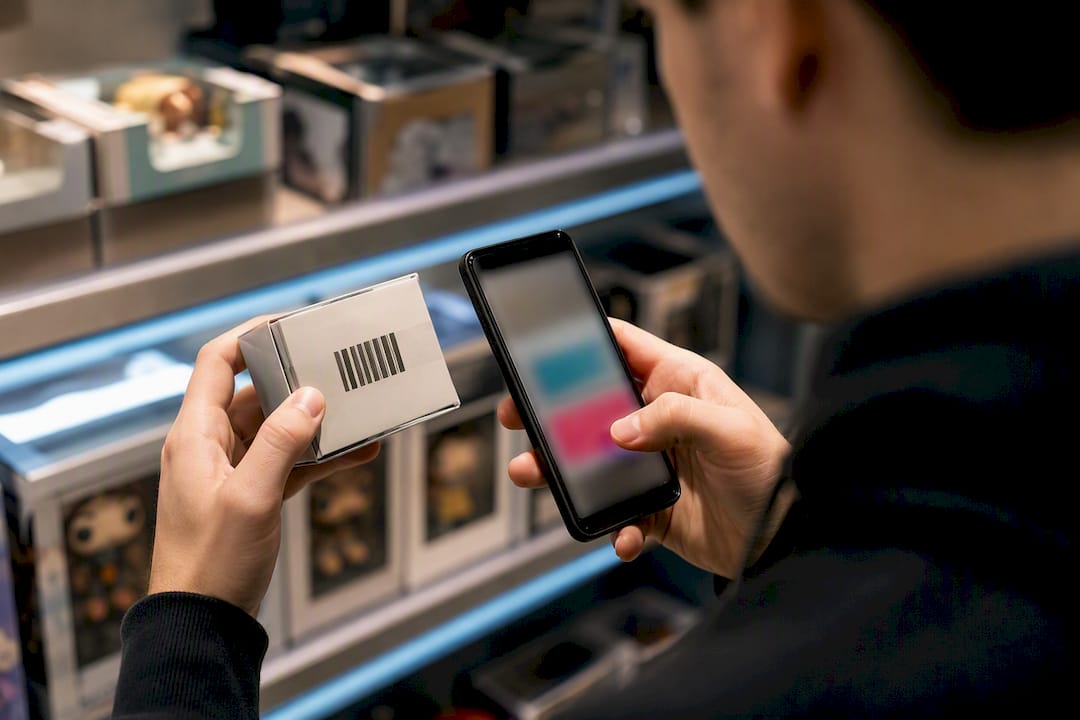
Funko trained an entire generation of collectors to check three things before buying a Pop: the box number, the barcode, and a small round sticker.
- Check the box number and barcode. A chase variant shares the exact same box number and barcode as its standard counterpart. If those match a regular figure you already own, you’re holding the same catalog item, just a different paint job.
- Look for the CHASE sticker. Genuine chase Funko Pops carry a small round gold sticker on the window box, usually near a bottom corner. No sticker generally means no chase, at least for Funko’s own product line.
- Inspect the visible figure through the window. GITD paint, metallic sheen, flocking, and alternate poses are usually visible without opening the box, since most collector packaging uses a clear window specifically so shoppers can compare.
- Cross-reference online listings carefully. Sellers sometimes crop or angle photos to hide missing stickers. Ask for a clear shot of the full box front, including corners, before paying a premium price.
You can confirm a chase with real confidence when the sticker, box number, and visible traits all line up. Sealed cases with no window, or secondhand boxes with damaged corners where a sticker might have been, are the situations where you genuinely can’t be sure without opening the packaging yourself.
Pro Tip: Photograph the barcode and box number of any Pop you already own. When you’re scanning a shelf later, you can instantly compare numbers on your phone instead of trying to remember which SKU belongs to which character.
Why Rarity Turns Into Real Resale Value
Limited supply is the entire engine behind chase figure value. When only one in dozens of boxes contains the variant, and demand for that character stays steady or grows, the math on resale platforms tips fast in the seller’s favor.
Vaulting accelerates this. When Funko retires, or “vaults,” the parent figure a chase belongs to, that chase becomes permanently finite. No more will ever enter circulation. That single event often triggers a noticeable jump in asking prices, since collectors know the supply ceiling just became fixed forever rather than merely limited for now.
The numbers that matter for value tracking: Funko chase ratios are commonly described around one per several cases, while some other collector lines have ratios described as much rarer. The tighter the ratio, and the more finite the total print run becomes after vaulting, the steeper the resale premium tends to climb.
It helps to separate three terms collectors often blur together:
- Chase figure: a randomly seeded rare variant, found by luck within regular retail assortments
- Retailer exclusive: a special edition sold only through one store or chain, available by simply knowing where to shop, not by luck
- Grail: collector slang for whichever piece someone personally wants most, regardless of how it was distributed. A grail can be a chase, an exclusive, or neither
Before paying a premium, check completed sales on resale marketplaces rather than active asking prices, since asking prices routinely run higher than what buyers actually pay. Condition matters just as much as rarity: a chase with a crushed box corner or sun-faded panel sells for a fraction of a mint one. If you’re on the fence about buying now versus waiting, remember that discontinued production tends to drive value upward over time once a line stops manufacturing entirely.
Smart Storage and Buying Habits for Chase Hunters
Finding a chase is the fun part. Keeping its value intact afterward takes a little more discipline.
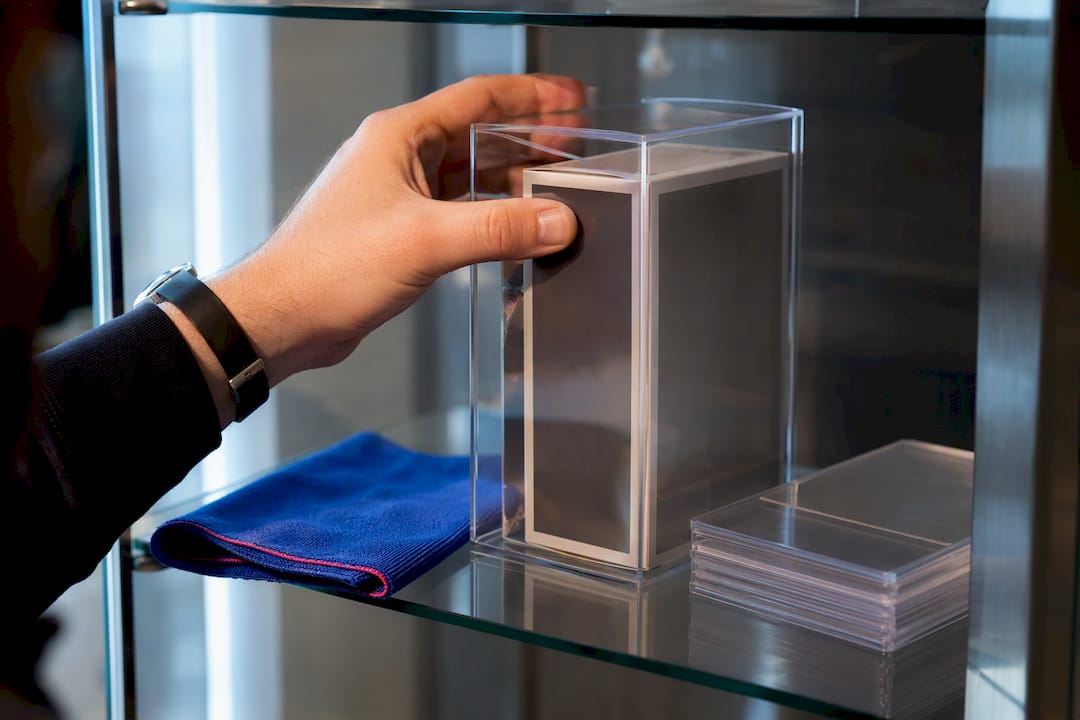
Store chase figures in their original window box whenever possible. Removing a figure to display it loose cuts its resale value substantially, since box condition is a major part of what collectors are actually paying for. Keep boxes out of direct sunlight, since UV exposure fades printed colors and yellows plastic within months in a bright window. Moderate, stable humidity matters more than most collectors realize. Attics and garages that swing between damp and dry seasons warp cardboard and degrade adhesive over time.
Documentation protects you if you ever need to sell, insure, or verify a piece:
- Photograph the front and back of the box the day you buy it, including the barcode and box number clearly
- Keep the purchase receipt or invoice, even a screenshot of an online order confirmation
- Log where you bought it and when, especially for pieces bought secondhand
When buying secondhand chases, verify the seller has clear photos of the CHASE sticker and matching box number, ask for proof of the original purchase, and pay for tracked shipping with insurance on anything above modest value. A cracked window box after an uninsured shipment is a heartbreak that’s completely avoidable.
For collectors building out a broader display, there are action figure storage solutions designed around exactly this kind of preservation concern, alongside collector-focused figures worth protecting in the first place.
Where the Chase Figure Concept Came From
The chase mechanic didn’t start with toys at all. Trading card manufacturers in the late 20th century pioneered the idea of seeding rare “chase cards” into standard packs, giving buyers a reason to purchase more packs than they otherwise would for a complete set. The strategy worked so well on card collectors that toy manufacturers eventually borrowed it wholesale, embracing concepts explained in classements rareté Pokémon : guide pratique pour collectionneurs to enhance rarity and desirability.
Blind-boxed vinyl figures picked up the mechanic aggressively in the 2000s and 2010s, as designer toy culture grew out of limited-run art pieces into a broader retail category. Funko, founded years before it became a household name in pop culture merchandise, eventually built chase variants into nearly every Pop line it released, turning what had been a niche collector tactic into something casual buyers now recognize on sight thanks to that gold sticker.
Other toylines adapted the concept in their own ways. Blind-packed collectible lines, including entries in the Transformers universe like BotBots, built chase ratios directly into their packaging strategy, sometimes printing rarity codes that let dedicated collectors decode odds ahead of purchase. That transparency varies a lot by manufacturer and by era, with some companies embracing printed rarity guides and others keeping the whole system deliberately opaque to preserve the surprise factor.
The through line across every version of this history is the same: manufacturers found that scarcity, distributed randomly rather than sold directly, keeps buyers engaged far longer than simply selling the rare item outright ever could.
Notable Chase Figures Collectors Actually Chase
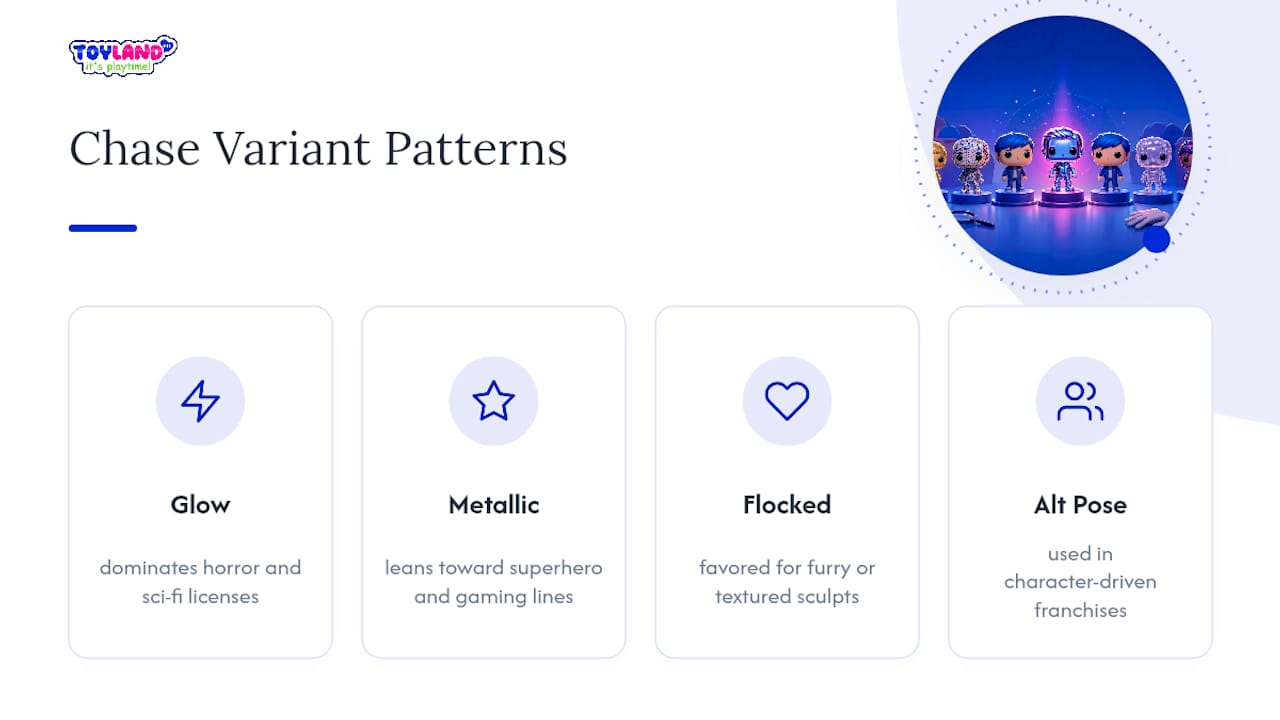
Funko’s catalog alone contains thousands of chase variants at this point, but a few patterns show up repeatedly across franchises. Glow-in-the-dark chases tend to dominate horror and sci-fi licenses, since the effect fits characters like ghosts, aliens, or anything with an inherently eerie theme. Metallic chases lean toward superhero and gaming lines, where a chrome finish reads as a premium collector’s edition rather than a gimmick.
Flocked chases have carved out their own devoted following, particularly among figures based on furry or textured characters, where the soft coating actually improves how the sculpt reads compared to plain vinyl. Alternate pose and expression chases show up most in character-driven franchises, where fans have strong opinions about which pose captures a character best.
Beyond Funko, blind-packed collector lines in the Transformers space have run chase variants for years, with BotBots serving as a frequently cited example of a line that leaned hard into randomized rare finds as a core selling point rather than an occasional bonus. Designer vinyl brands outside the mainstream toy aisle have used similar tactics for over a decade, often with even tighter print runs than mass-retail chases ever see.
What ties these examples together isn’t the franchise. It’s that every one of them uses the same underlying mechanic: an identical box, a hidden variant, and a print run small enough to keep the hunt interesting.
Myths That Trip Up New Chase Hunters
The biggest misconception is that buying multiple boxes guarantees a chase eventually. It doesn’t. A stated ratio like 1 in 6 describes the average across an entire production run, not a countdown ticking toward a guaranteed hit within any specific case you happen to purchase. You could open a dozen boxes and get nothing, or pull one on your first try.
Another common mix-up: assuming every “rare” or “limited” figure is technically a chase. It’s not. A retailer exclusive is limited to one store, but every unit of it is identical, no hidden variant involved. A grail is just whatever piece a collector wants most, which might be a mainstream figure with zero rarity mechanic attached at all. Treating these three categories as interchangeable leads to overpaying for pieces that aren’t actually scarce in the way buyers assume.
Some collectors also believe stores can special-order or set aside chases on request. They generally can’t. Retailers receive sealed cases exactly as manufacturers ship them and have no mechanism to isolate the rare unit before it reaches shelves.
Last myth: that chase value only ever goes up. Plenty of chases from oversaturated lines or characters that fell out of popularity trade for barely more than the standard version. Rarity creates the potential for a premium. It doesn’t guarantee one shows up.
Why the Chase Still Matters to Collector Culture
The chase works because it turns a routine purchase into a small gamble, and that surprise element is exactly what keeps people coming back to shelves and unboxing videos. Hobby writers have called it the collecting world’s lottery ticket, and that framing holds up. It’s a mechanic built on anticipation, not certainty.
Where it gets complicated is when the hunt tips into pure speculation. Buying six boxes hoping to flip a chase for quick profit is a different activity than collecting characters you actually care about, and the two motivations pull the hobby in opposite directions. I’d rather see collectors chase what excites them and treat any resale premium as a bonus, not the point. That keeps the community healthier and keeps prices from getting detached from what the figures are actually worth to the people who want them.
— Thane Holland
Sources
- What Is a Chase Funko Pop? Odds, Stickers & How to Find One — Pops Today
- Chase figure — Transformers Wiki (TFWiki)
- What is a “chase” figure? Can I order one? — Entertainment Earth
- Model figure — Wikipedia
FAQ
What does “chase” mean in collectible toy slang?
In collecting slang, “chase” refers to a rare variant of a standard figure that’s randomly seeded into a production run, giving buyers something scarce to pursue during a routine purchase.
How can you tell if a Funko Pop is a chase?
Check for a small round gold CHASE sticker on the window box, then confirm the box number and barcode match the standard version while the figure itself shows a visible variant like GITD paint, metallic finish, or an alternate pose.
What are chase collectibles, exactly?
Chase collectibles are limited variants of a mainline product, seeded at a set ratio during manufacturing, so only a fraction of buyers find one through normal retail purchases rather than direct ordering.
What are chase diecast cars?
Chase diecast cars follow the same principle as chase Funko Pops. Certain die-cast vehicle lines shortpack rare paint jobs or finishes into cases, and collectors identify them through similar visual and packaging cues.
Can you order a chase figure directly from a store?
No. Retailers receive sealed cases exactly as manufacturers ship them and have no way to isolate or guarantee a chase for a specific customer.
Recommended Reads
- Why Are Toys Valuable Investments for Collectors in 2026
- Why Collect Vintage Toys: Nostalgia, Culture, and Value
- How to Store Action Figures: Collector’s Preservation Guide
- What Action Figure Articulation Actually Means for Collectors