

How to Raise Kids with Humility: A Parent's Guide
TL;DR:
- Raising humble children involves modeling self-awareness and empathy through daily actions.
- It emphasizes real experiences like service and honest praise over lectures to develop humility.
Raising kids with humility is not about teaching them to shrink. It’s about helping them see others clearly, stay open to learning, and carry their strengths without needing to announce them.
Quick Summary
Humility in children combines self-awareness, empathy, and openness to other perspectives. The most effective way to build it is through parental modeling, service activities, genuine praise, and everyday conversations rather than lectures. Research by psychologist Kendall Cotton Bronk shows that humility and purpose reinforce each other, helping children seek mentors and collaborate well with peers.
TL;DR
- Humility is not low self-esteem. Humble kids are confident and self-aware.
- Model it first. Children detect parental hypocrisy quickly.
- Service beats lectures every time.
- Praise real accomplishments, not just effort or specialness.
- Peer environments and media moments are powerful teaching tools.
Table of Contents
- What raising kids with humility really means
- Why humility matters in child development
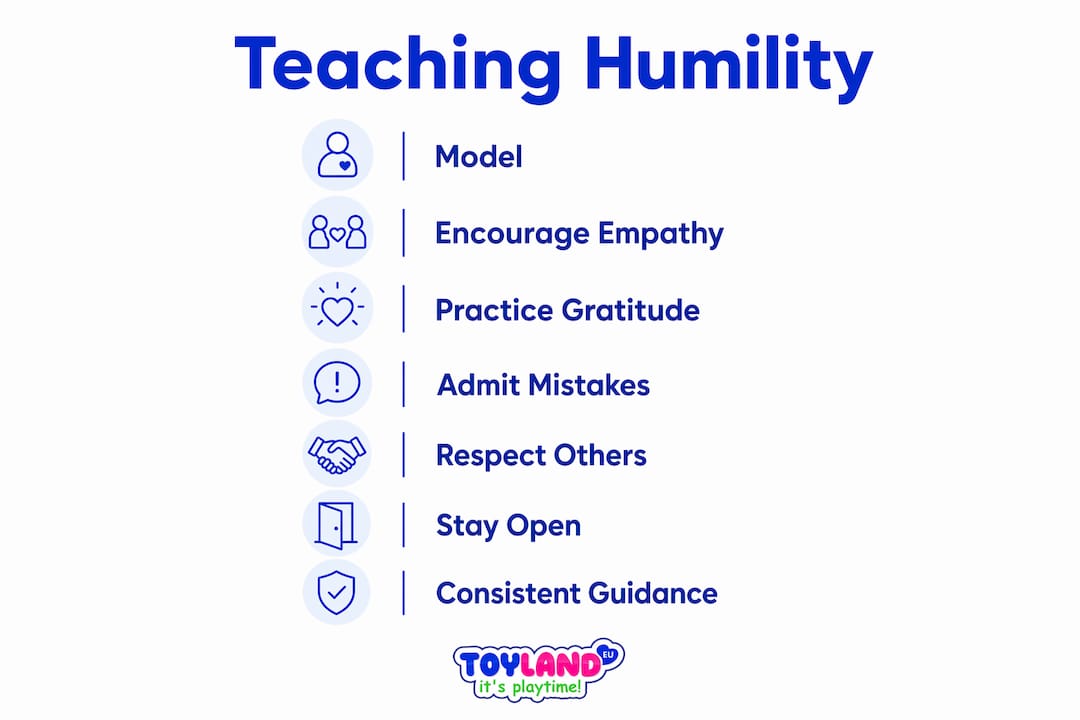
- Seven practical tips for teaching humility
- Balancing humility with healthy self-respect
- Handling common challenges
- Peer influence and social environments
- Measuring progress in your child
- Key Takeaways
- FAQ
What does raising kids with humility actually mean?
Humility in children is a balanced combination of self-awareness, empathy, and genuine openness to other people’s perspectives. It is not self-deprecation. A humble child knows their strengths, chooses not to broadcast them, and shifts focus from “me” to “others” without losing personal dignity.
The core principles:
- Model it yourself. Children copy what they see, not what they’re told.
- Praise real accomplishments. Unconditional praise for being “special” builds entitlement, not confidence.
- Encourage listening. Teach kids to understand what others actually need before responding.
- Reflect on mistakes together. Owning errors openly is one of the clearest demonstrations of humility a parent can give.
- Make service a family habit. Shifting from consumer to contributor is where humility takes root.
These aren’t abstract values. They’re daily choices that compound over years.
Why does humility matter in child development?
Humble kids tend to be more empathetic and less judgmental than their more arrogant peers. That social advantage shows up early and compounds through adolescence. Children who learn to consider others’ needs develop stronger friendships, handle criticism better, and recover from failure faster.
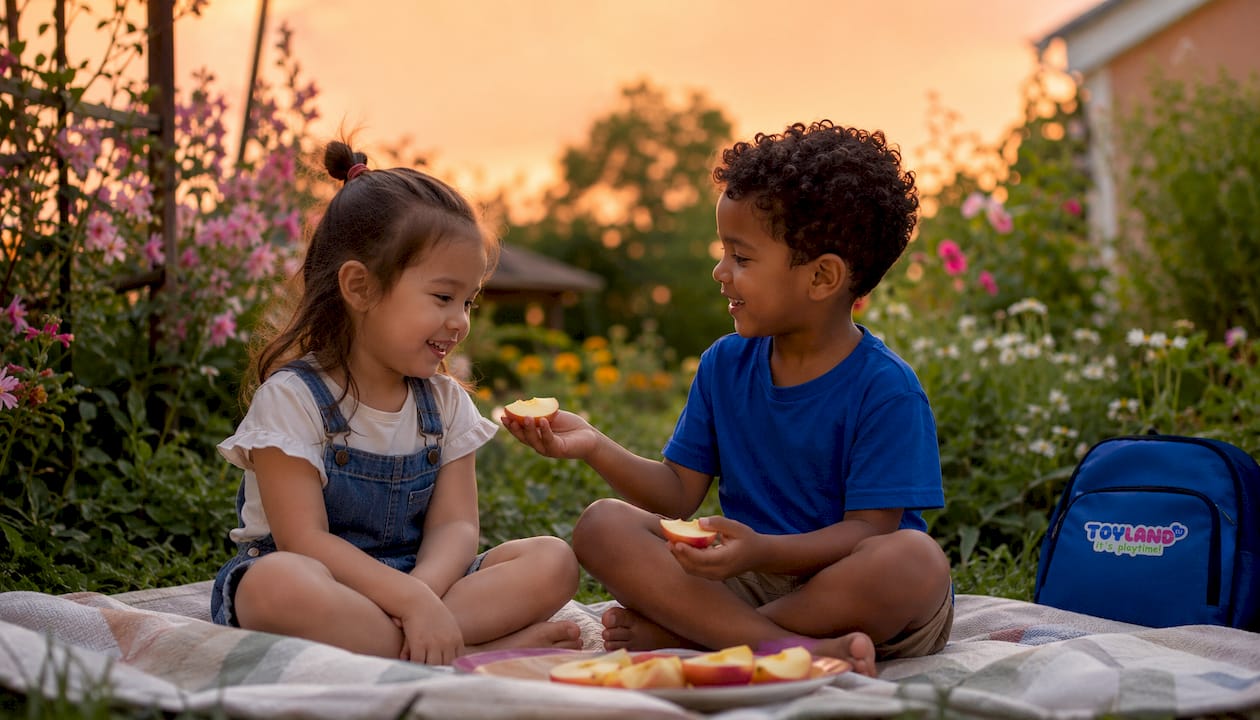
The developmental case is straightforward. Where humility is absent, counselors consistently find selfishness, anxiety, and relational fragility. Teaching kids to be contributors rather than consumers addresses the root of those problems before they become entrenched.
There’s also a cognitive dimension. Research from psychologist Judith Danovitch found that older children who rated their own knowledge more humbly tended to be more intelligent and more attentive to their own mistakes. Slowing down to notice an error, rather than deflecting it, turns a frustrating moment into a genuine learning opportunity. That habit, practiced early, shapes how a child approaches school, friendships, and eventually work.
Nature experiences can reinforce this. Family trips to parks, beaches, and mountains give children a felt sense of their own smallness in a way no conversation can replicate.
What are seven practical ways to teach kids humility?
These strategies work because they’re embedded in real life, not delivered as moral lessons.
-
Model humility actively. Admit your own mistakes out loud. Apologize when you’re wrong. Clinical psychologist John Duffy, Psy.D., author of Parenting the New Teen in the Time of Anxiety, puts it plainly: “If we preach one thing and do something different, our kids will pick up on the dissonance.” Confidence and humility run together. A parent who models both gives children a template they can actually use.
-
Get kids involved in service. Whether it’s volunteering with Meals on Wheels or a first part-time job, service shifts a child’s worldview. Duffy describes it as kids “automatically, organically, and elegantly” teaching themselves humility through those experiences. Nothing a parent says from the couch matches what a child learns by actually helping someone.
-
Use media as a teaching tool. Hit pause during a TV show when a character acts arrogantly or bullies someone. Ask: “What do you think is happening here? How does everyone in this scene feel?” Keep it short. You don’t need a 20-minute debrief. Two or three questions and then press play. The lesson lands because it’s attached to something the child already cares about.
-
Talk about current events. Public figures behaving badly are everywhere. Bring them up briefly, without a political agenda, and ask your child what they notice. These conversations work best when they’re 10–15 minutes and genuinely curious rather than instructional.
-
Teach gratitude as a daily practice. Look around as a family and name what you’re thankful for. This isn’t a formal exercise. It’s a habit of noticing. Kids who practice gratitude regularly are less likely to feel entitled because they’re constantly reminded that much of what they have was given, not earned.
-
Praise genuine accomplishments only. When your daughter scores well on a test, say so. When she doesn’t, help her reflect on what she could do differently rather than blaming the teacher. Praising effort is good. Praising children for simply existing as “special” builds a fragile self-image that crumbles under real-world feedback.
-
Celebrate service over achievement. Map out ways your family can serve in your neighborhood, school, or community. A culture where helping others is genuinely celebrated, not just tolerated, produces kids who see service as an invitation rather than an inconvenience.
Pro Tip: Weave humility lessons into real moments rather than scheduling a “humility talk.” Kids disengage from lectures. They engage with stories, questions, and examples from their own lives.
How do you balance humility with healthy self-respect?
Humility and self-worth are not opposites. Humble children are self-aware and confident; they simply choose not to flaunt what they know or what they’ve done. The goal is a child who can say “I was wrong” without falling apart, and “I did that well” without needing everyone to agree.
Ways to build that balance:
- Teach kids to refuse misplaced blame. True humility includes knowing when to stand up for yourself appropriately.
- Correct bragging without shaming. Explain that boasting makes a person look insecure, not impressive, and that a balanced self-image doesn’t need external validation.
- Affirm character growth explicitly. When a child handles a tough moment with grace, name it. “I noticed how you handled that. That took real maturity.”
- Let kids feel the satisfaction of a job done well. Gratitude for talent and effort is not arrogance. It’s the healthy version of pride.
Low self-esteem is not humility. A child who constantly puts themselves down hasn’t learned humility; they’ve learned self-rejection. The distinction matters practically: a child with genuine humility can receive a compliment graciously, disagree respectfully, and lose a game without a meltdown.
How do you handle the common challenges of teaching humility?
The biggest obstacle most parents hit is consistency. It’s easy to model humility when things are going well. It’s much harder after a bad day at work, when your child is being difficult, or when you’re tempted to defend yourself instead of owning a mistake.

A few patterns that tend to derail progress:
Overpraise cycles. When parents praise everything equally, children lose the ability to calibrate their own performance. Reserve genuine enthusiasm for genuine effort and real results.
Avoiding correction. Letting a child’s arrogance or dismissiveness slide because you don’t want conflict is a short-term fix with long-term costs. Serious errors in attitude need to be addressed, calmly and specifically.
Inconsistency between parents. If one parent models humility and the other doesn’t, children notice. They’ll adopt the behavior that gets them what they want. Alignment between caregivers matters more than any single conversation.
Expecting too much too soon. Younger children are naturally egocentric. That’s developmental, not a character flaw. Humility deepens gradually, and older children consistently show more of it than younger ones. Patience with the timeline is part of the work.
How does peer influence shape a child’s humility?
The social environment a child moves through either reinforces or erodes what you’re building at home. Peer groups that reward bragging, put-downs, and status competition make humility harder to practice. Peer groups that value listening, cooperation, and genuine encouragement make it easier.
You can’t control who your child’s friends are, but you can shape the environment at home and stay curious about what’s happening in theirs. Ask open questions about how their friends treat each other. Notice whether your child comes home more self-centered or more empathetic after time with certain groups.
Research on purposeful youth shows that humble children tend to seek out mentors and like-minded peers naturally. Purpose and humility together create a kind of social compass. Kids who know what they care about are less susceptible to peer pressure that rewards arrogance, because they’re not looking to the crowd for their sense of worth.
School environments matter too. Encouraging your child to befriend someone who is overlooked, or to help a classmate who is struggling, builds the social muscles that humility requires. These aren’t grand gestures. They’re small, repeated choices that become character over time. Toys and play that involve cooperation rather than pure competition, like building sets or collaborative learning kits, can quietly reinforce those same habits.
How can you tell if your child is becoming more humble?
Humility doesn’t announce itself. You notice it in small moments: a child who listens before speaking, who admits a mistake without being pushed, who congratulates a friend without resentment.
Watch for these signs across different ages:
- Younger children (ages 4–7): Willingness to share, ability to say “I don’t know,” and basic empathy for a peer who is upset.
- Middle childhood (ages 8–11): Accepting feedback without defensiveness, acknowledging when someone else did something well, asking for help without embarrassment.
- Adolescents: Choosing not to brag even when they have reason to, taking responsibility for their part in a conflict, showing genuine curiosity about other people’s experiences.
Progress is rarely linear. A child who handled a loss gracefully last month might melt down over a smaller setback this month. That’s normal. What you’re looking for over time is a general direction, not a perfect score. Celebrate the moments when you see it, specifically and genuinely, because children internalize what gets noticed.
Key Takeaways
Raising humble kids requires consistent modeling, real-world practice, and the patience to let the trait develop gradually rather than forcing it through lectures.
| Point | Details |
|---|---|
| Humility is not low self-esteem | Humble children are confident and self-aware; they simply choose not to broadcast their strengths. |
| Modeling is the foundation | Children detect parental hypocrisy quickly; admitting your own mistakes is the most powerful lesson. |
| Service beats lectures | Volunteer work and helping others shift a child’s mindset from consumer to contributor more effectively than any talk. |
| Praise real accomplishments | Reserve genuine praise for actual effort and results to build real self-worth, not entitlement. |
| Humility and purpose reinforce each other | Purposeful children naturally display more humility and seek out mentors and collaborative peers. |
Discover Hands-On Gifts That Support Humble, Curious Kids

Process-oriented play, where the focus is on making rather than winning, quietly builds the patience and self-awareness that humility requires. Toylandeu™ carries creative kits designed for exactly that kind of focused, reflective play. The Montessori Drawing Kit encourages children to work at their own pace, notice their progress, and take satisfaction in the process rather than the outcome. For families thinking about ethical and mindful gifting, Toylandeu™ offers free worldwide shipping on over 30,000 toys across every age group.
FAQ
What does humility look like in kids?
A humble child listens before speaking, admits mistakes without being pushed, and congratulates others genuinely. Humility coexists with confidence; it simply means the child’s focus shifts from self-promotion to genuine connection with others.
What causes a lack of humility in children?
Unconditional praise without real accomplishment is a primary driver. When children are repeatedly told they are “special” regardless of effort or behavior, they develop an inflated self-image that struggles to absorb feedback, criticism, or failure.
What did Jesus teach about humility?
Jesus taught that “whoever exalts himself will be humbled, and whoever humbles himself will be exalted,” and that true greatness comes through serving others rather than seeking status. Many families ground their approach to teaching humility in these principles.
What is the 3-3-3 rule for kids?
The 3-3-3 rule is a general calming strategy sometimes used in child anxiety management, not a specific humility framework. Definitions vary by context; if you’ve seen it referenced in a parenting program, check that program’s specific definition.
Recommended Reads
- The role of remote control toys in kids’ development
- How toys shape your child’s cognitive development
- Top innovative toys for child development in 2025