

The Real Advantages of Toy Collecting for All Ages
TL;DR:
- Toy collecting offers significant mental health, educational, and social benefits supported by scientific research. It enhances emotional well-being, develops cognitive skills, fosters creativity, and builds meaningful community connections. Approaching collecting with intention maximizes long-term value and personal growth across generations.
Toy collecting is defined as the deliberate acquisition and curation of toys for purposes beyond play, including nostalgia, identity expression, community, and cognitive development. The advantages of toy collecting extend far past sentiment. Research from the International Journal of Marketing Studies, the Early Childhood Education Journal, and Psychology Today confirms that collecting supports mental health, sharpens executive function, and builds meaningful social bonds. Whether you are a lifelong hobbyist, a parent building a purposeful playroom, or an educator designing enrichment activities, the benefits of collecting toys are grounded in real psychology and learning science.
1. Mental health and emotional well-being
The most documented advantage of toy collecting is its positive effect on psychological health. Nostalgia is the dominant motivator among adult collectors, and it does more than trigger warm memories. It creates continuity between your past self and your present identity, which psychologists link to reduced anxiety and stronger self-concept.
Collectors also report gratification and a sense of prestige within their communities. These are not trivial feelings. They function as real mental health boosters, providing purpose, routine, and a sense of mastery that daily life often fails to deliver.
“Collecting is not a self-absorbed activity. It is a way to engage with the world through learning and social display.” — Psychology Today
Key emotional benefits collectors consistently report include:
- Stress relief through focused, repetitive curation tasks
- A sense of accomplishment when completing a set or series
- Emotional regulation through the ritual of organizing and displaying
- Reduced loneliness through community participation
2. Educational benefits for children and adults
Structured toy collecting is one of the most underused educational tools available to parents and teachers. Classroom-based collecting and organizing activities produce significant improvements in working memory, planning, and cognitive flexibility in children after just 18 structured sessions. That is executive function training disguised as play.
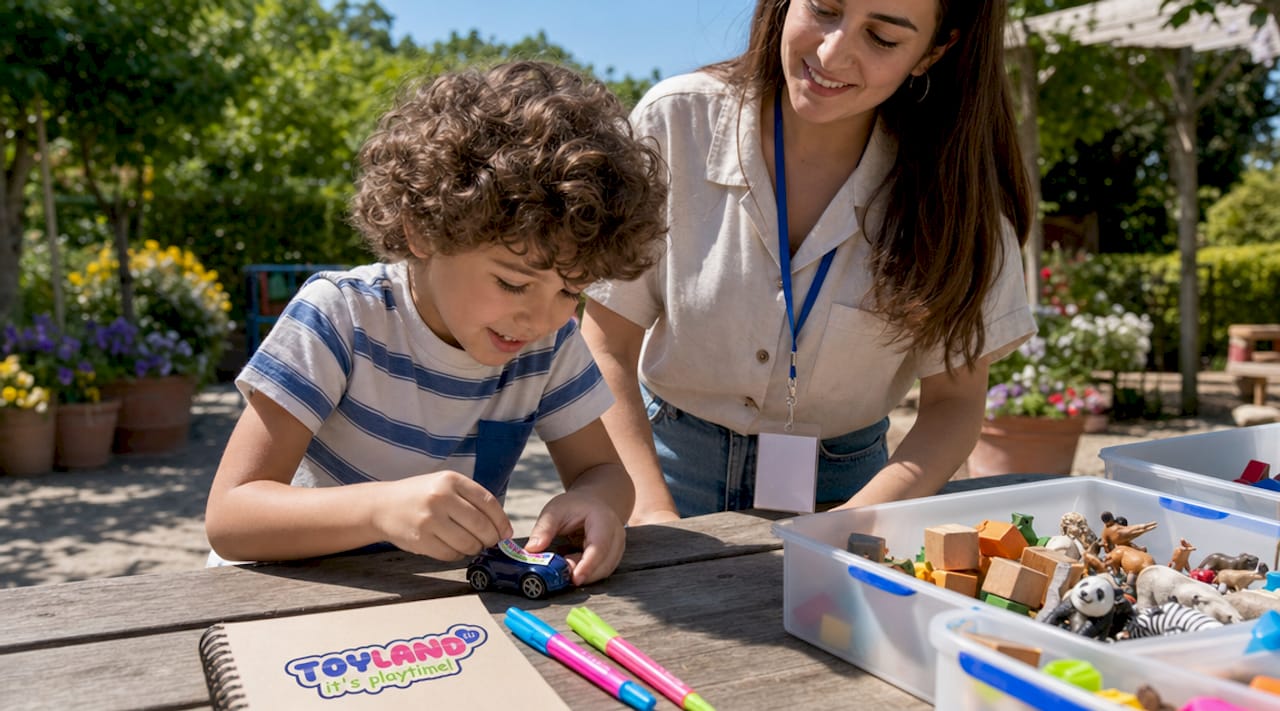
The educational gains go deeper when repair is added to the mix. Toy repair workshops develop multi-step problem-solving, emotional resilience, and early engineering literacy in young children. A child who fixes a broken remote-controlled car is practicing the same iterative thinking used in STEM fields.
Here is how educators and parents can structure collecting for maximum learning:
- Assign categories and sorting tasks before adding new items to a collection
- Ask children to plan where a new piece fits before purchasing it
- Introduce simple repair challenges using safe tools and guided steps
- Rotate collections seasonally to reinforce memory and categorization
- Use collection displays as storytelling prompts for language development
Pro Tip: Pair a physical collection with a simple written catalog. Having children label, describe, and date each item activates working memory and planning skills simultaneously, two of the most predictive factors in academic success.
Educational toy engagement works best when it is structured rather than passive. The difference between a child who plays casually and one who collects intentionally is measurable in cognitive outcomes.
3. Creativity and identity expression
Collecting is a form of self-expression as legitimate as painting or writing. Nearly 40% of people collect something, and the practice consistently serves as an outward-facing display of identity, values, and aesthetic sensibility. A curated shelf of vintage action figures communicates personality as clearly as a wardrobe.
Collector types vary widely, and each brings a different creative lens to the hobby:
- The Curator organizes by theme, era, or manufacturer and treats the collection as a living exhibit
- The Sentimentalist collects around personal memories, creating a physical autobiography
- The Player values interaction and keeps collections functional and accessible
- The Investor focuses on rarity and condition, applying research and market knowledge
| Collector type | Primary motivation | Creative expression |
|---|---|---|
| Curator | Aesthetic and historical order | Display design and thematic storytelling |
| Sentimentalist | Nostalgia and memory | Personal narrative through objects |
| Player | Engagement and function | Active use and customization |
| Investor | Rarity and value | Research, grading, and market analysis |
The act of arranging, repairing, and displaying a collection is itself a creative practice. Collectors who explore vintage toy culture often develop deep knowledge of design history, manufacturing techniques, and cultural context that rivals formal art education.
4. Social advantages and community belonging
Toy collecting as a hobby generates social capital that many people underestimate. Community is a core motivator for collectors, ranking alongside nostalgia in research on collector buying behavior. Swap meets, online forums, collector conventions, and social media groups create genuine belonging for people who might otherwise struggle to find their tribe.
The social benefits are specific and measurable:
- Shared expertise creates mutual respect and status within collector groups
- Trading and gifting build reciprocal relationships that extend beyond the hobby
- Group events provide structured social interaction for introverted individuals
- Mentorship flows naturally between experienced and new collectors
Pro Tip: If you are new to collecting, join one focused community before buying broadly. Platforms like Reddit’s r/toyCollectors or Facebook collector groups give you access to pricing knowledge, authentication advice, and social connection simultaneously.
The collectibles trend among Gen Z and Millennials shows that social belonging, not just nostalgia, drives modern collecting. Blind-box toys and limited releases create shared anticipation and community rituals that function like sports fandom for a new generation.
5. Cognitive development through structured play
Group play with educational toys improves cognitive skills in 71% of reviewed studies, and emotional growth appears in 47% of group play contexts. These numbers matter because they confirm that the importance of toy collections is not just sentimental. It is neurological.
Sorting, categorizing, and planning a collection activates the prefrontal cortex, the brain region responsible for decision-making and impulse control. Children who practice these skills through collecting show stronger theory of mind, meaning they become better at understanding other people’s perspectives. That is a social and academic advantage that compounds over time.
Adults benefit too. Collectors who manage budgets, research provenance, and negotiate trades are exercising financial literacy, critical thinking, and communication skills. The hobby is a low-stakes environment for practicing high-value cognitive behaviors.
6. Investment potential and long-term value
The advantages of toy investment are real, though they require discipline and knowledge. Rare action figures, limited-edition LEGO sets, and first-edition board games have appreciated significantly over decades. A 1977 Star Wars Kenner action figure in original packaging, for example, now commands prices that dwarf its original retail cost by orders of magnitude.
Toy investment works best when collectors apply the same principles used in other collectibles markets. Resources like the NextGenCards collector guide illustrate how grading, provenance, and condition documentation drive value in adjacent collectibles categories. The same logic applies directly to toys.
Condition, completeness, and cultural relevance are the three variables that determine long-term toy value. Collectors who document acquisitions carefully, store items in controlled environments, and track market trends treat the hobby as both a passion and a portfolio.
7. Multigenerational connection and family bonding
Toy collecting creates one of the most natural bridges between generations. A grandparent sharing a collection of tin robots from the 1960s is not just showing objects. They are transmitting cultural history, personal memory, and family identity in a format children can touch and engage with directly.
Parents who collect alongside children report stronger shared interests and more sustained conversation than families who engage with screens as their primary shared activity. The developmental benefits of gifting toys extend into collecting when the activity is framed as a shared project rather than an individual pursuit.
Structured family collecting, where each member contributes to a shared theme or competes to find the best addition, teaches negotiation, compromise, and collaborative decision-making. These are skills that transfer directly into school and workplace settings.
Key takeaways
Toy collecting delivers measurable advantages across mental health, cognition, creativity, social connection, and long-term value when approached with structure and intention.
| Point | Details |
|---|---|
| Mental health benefits | Nostalgia and community participation reduce anxiety and strengthen personal identity. |
| Educational gains | Structured collecting improves working memory, planning, and cognitive flexibility in children. |
| Creative expression | Curating and displaying a collection develops aesthetic judgment and personal identity. |
| Social belonging | Collector communities provide mentorship, reciprocal relationships, and structured social interaction. |
| Investment value | Condition, rarity, and cultural relevance determine long-term financial appreciation in toy collections. |
Why toy collecting matters more than most people realize
I have spent years watching people dismiss toy collecting as a childish indulgence or a hoarding impulse dressed up in nostalgia. That view misses almost everything important about the hobby.
What strikes me most in the research is how consistently collecting outperforms passive entertainment on every metric that matters: cognitive engagement, social connection, emotional regulation, and creative output. A person who spends an hour curating their collection is doing more cognitively than someone watching two hours of television, and the social benefits of collector communities rival those of organized sports leagues.
The collectors I find most interesting are not the ones chasing investment returns. They are the ones who use their collections to tell a story, teach a child, or connect with someone across a generational gap. That is where the real value lives.
My honest advice: balance your collecting motives deliberately. Know whether you are collecting for nostalgia, community, identity, or investment, and build your habits around that clarity. Collectors who mix motives without awareness tend to overspend and underenjoy. Those who collect with intention get the full range of benefits the research describes.
— Thane
Start your collection with Toylandeu
Toylandeu carries over 30,000 toys designed for collectors, educators, and creative learners at every age. If you are looking to build a collection that supports creativity and cognitive development, the Montessori Drawing Kit and the 24-Color Clay Modeling Kit are strong starting points. Both combine structured creative activity with the kind of hands-on engagement that research links to real learning gains. Toylandeu ships worldwide with no minimum order, making it easy to add purposeful pieces to any collection from anywhere.
FAQ
What are the main advantages of toy collecting?
Toy collecting supports mental health through nostalgia and community, sharpens executive function through structured curation, and builds social bonds through shared enthusiasm. Research confirms benefits across emotional, cognitive, and social dimensions for both children and adults.
Does toy collecting have educational benefits for children?
Structured collecting improves working memory, planning, and cognitive flexibility, with significant gains observed after 18 organized sessions in classroom settings. Toy repair activities add engineering problem-solving and emotional resilience to those gains.
Can toy collecting be a good investment?
Toys in original condition with cultural relevance and documented provenance appreciate in value over time. Condition, completeness, and rarity are the primary drivers of long-term financial value in toy collections.
How do I start toy collecting as a hobby?
Choose one category that connects to a personal memory or interest, join an online community for that category, and set a clear budget before your first purchase. Starting narrow and building knowledge before expanding prevents overspending and increases long-term enjoyment.
Is toy collecting good for social development?
Collector communities provide structured social interaction, mentorship, and reciprocal relationships that benefit both introverted and extroverted individuals. Group play and collecting show emotional growth in nearly half of studied participants.