

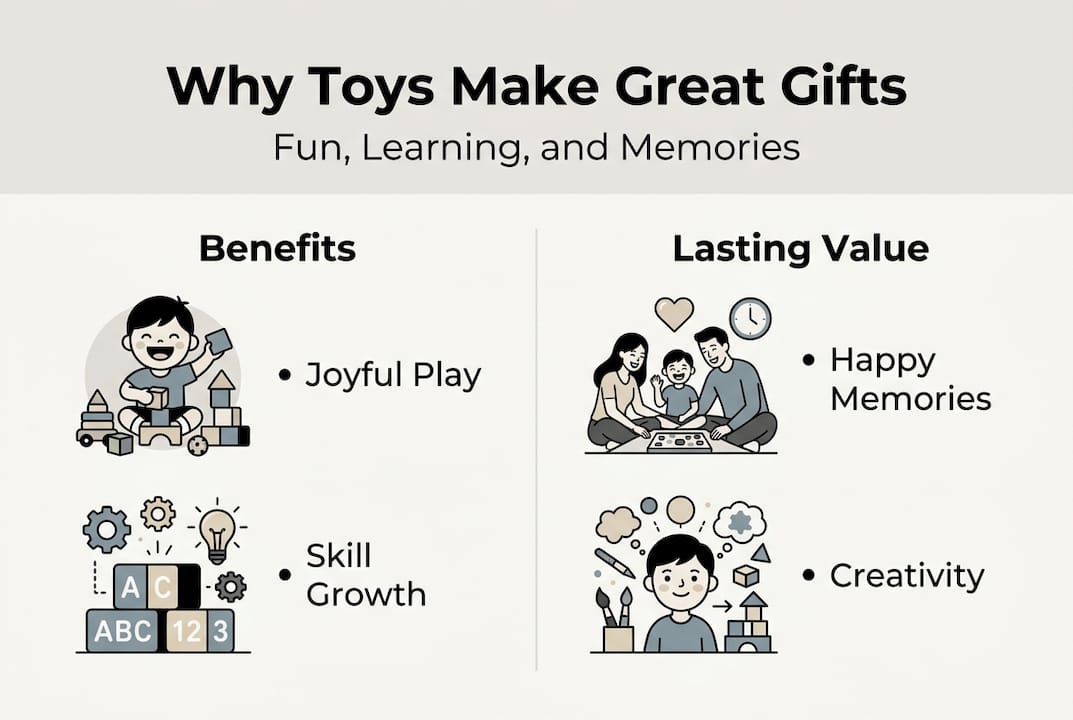
Why toys make great gifts: fun, learning, memories
- Well-chosen toys can reduce anxiety and support emotional well-being across all ages.
- Open-ended, durable toys foster creativity and lasting skill development.
- Select age-appropriate, neutral toys, and avoid overload and stereotypes for meaningful gifting.
Toys get dismissed as simple, throwaway presents all the time. But research tells a very different story. A well-chosen toy can ease a child’s anxiety before a medical procedure, spark a creative skill that lasts a lifetime, or become the object a person associates with their happiest childhood memories. Whether you’re shopping for a toddler, a school-age kid, or even an adult hobbyist, understanding why toys matter so deeply changes how you shop. This guide walks you through the science, the strategy, and the practical steps to pick a gift that truly resonates.
Table of Contents
- Toys support emotional well-being for all ages
- Toys unlock creativity and lifelong learning
- How to choose the perfect toy gift
- Avoiding common pitfalls: Toy overload and stereotypes
- Perspective: What most gift buyers miss about toys
- Find the perfect memorable toy gift
- Frequently asked questions
Key Takeaways
| Point | Details |
|---|---|
| Emotional comfort | Toys can reduce anxiety and help children and adults navigate transitions with fewer worries. |
| Fuels creativity | Open-ended toys inspire imagination and hands-on learning, lasting long after the gift is received. |
| Smart selection | Choosing toys based on age, durability, and inclusivity leads to memorable and regret-free gifts. |
| Less is more | Limiting the number of toys and avoiding stereotypes amplifies the gift’s positive impact. |
Toys support emotional well-being for all ages
While toys bring instant smiles, their impact goes even deeper into our emotional and mental well-being. Most people assume the benefit of a toy is purely recreational. The reality is more powerful than that.
“A physical toy given before a stressful event can measurably reduce fear and anxiety in young children, offering a sense of control in an unfamiliar situation.”
A clinical study found that anxiety scores dropped significantly in children aged 3 to 6 who received a small toy before medical premedication. That is not a small finding. It means a toy can function as an emotional anchor, not just a distraction.
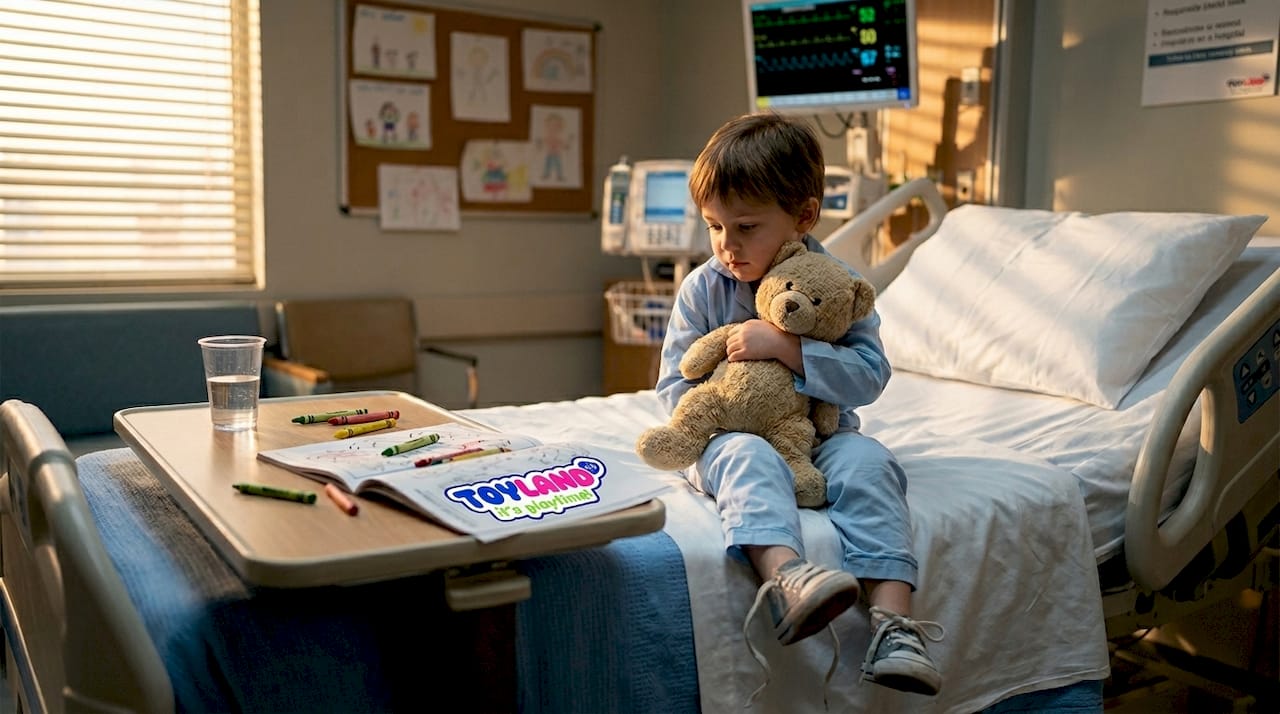
This concept extends beyond hospitals. Developmental psychologists use the term “transitional object” to describe items, often toys, that help children navigate major life changes. Starting a new school, moving to a different city, or spending a first night away from home are all moments where a familiar toy provides genuine comfort. The toy becomes a stand-in for safety when the environment feels unpredictable.
Adults are not immune to this either. Hobbyists who build model kits, paint miniatures, or fly remote-controlled planes often describe their hobby as a stress outlet. The hands-on focus required by these activities quiets anxious thoughts in a way that scrolling a phone simply cannot replicate. Understanding emotional development with tech toys shows how even interactive digital toys can be designed with emotional regulation in mind.
Here are the key emotional roles toys can play across different life stages:
- Comfort anchor: Familiar toys reduce fear during transitions like hospital visits, first days of school, or travel.
- Stress relief: Hands-on play activates focus and calms the nervous system for both children and adults.
- Social bridge: Shared toys open conversations and create bonding moments between siblings, friends, or parent and child.
- Identity expression: Toys tied to a child’s interests signal that you see and value who they are.
Pro Tip: Choose a toy that is compact and portable so the recipient can bring it along to new environments. A small plush, a pocket-sized puzzle, or a travel-friendly building set can provide reassurance far beyond the moment of unwrapping.
Toys unlock creativity and lifelong learning
Beyond comfort, toys also unlock a world of creativity and skill development. Not all toys are created equal when it comes to sparking imagination, and the difference matters more than most people realize.
Research shows that open-ended toys foster greater imagination in children, while prescriptive toys that have only one correct way to use them actually limit playful initiative. A toy with a single function gets figured out and set aside. A toy with infinite possibilities stays interesting.
| Toy type | Examples | Creativity level | Replay value |
|---|---|---|---|
| Open-ended | Building blocks, clay, art kits | Very high | Very high |
| Semi-structured | STEM kits, puzzles | Moderate to high | Moderate |
| Prescriptive | Single-function electronic toys | Low | Low |
The benefits of open-ended toys go well beyond childhood. Adults who engage in creative hobbies, whether sculpting, model building, or crafting, consistently report higher satisfaction and lower burnout. The habit of creative play, when built early, tends to stick.
Here is a simple numbered process for matching a toy to the recipient’s interests:
- Identify their current passion. Are they into animals, space, vehicles, art, or building things? Start there.
- Look for toys that expand that interest. A child who loves animals might thrive with a nature exploration kit or animal figurines for imaginative storytelling.
- Choose depth over novelty. A toy that grows with the child beats one they outgrow in a week.
- Consider early learning toys for younger recipients. These are designed to build foundational skills while keeping play genuinely fun.
- Test the “what else can you do with this?” question. If you can only think of one answer, keep looking.
Pro Tip: Select toys that encourage storytelling, creativity, and hands-on learning for the best long-term impact. A clay set or a drawing kit invites the child to create something from nothing, which is a far richer experience than pressing a button and watching a screen react.
How to choose the perfect toy gift
Knowing how toys help is powerful, but choosing the right one makes your gesture truly memorable. The best toy gift is not necessarily the most expensive or the most popular. It is the one that fits the recipient’s life.
Experts recommend that you prioritize durable, age-appropriate toys that align with the child’s developmental stage, available space, and your relationship to the family. A gift that overwhelms a small apartment or frustrates a child who is not ready for it misses the mark entirely.
| Age group | Recommended toy types | Space needed | Safety note |
|---|---|---|---|
| 0 to 2 years | Soft toys, rattles, stacking rings | Minimal | No small parts |
| 3 to 5 years | Building blocks, art supplies, puppets | Small to medium | Rounded edges |
| 6 to 9 years | STEM kits, puzzles, RC vehicles | Medium | Check complexity |
| 10 to 12 years | Advanced kits, strategy games, kites | Medium to large | Age-rated parts |
| Teens and adults | Hobby kits, collectibles, RC planes | Varies | Interest-specific |
For age-appropriate toy options that also support learning, look for products with clear developmental descriptions. When buying for siblings or groups, choose toys that encourage cooperation rather than competition. Shared play builds relationships.
Here are the best practices to keep in mind:
- Avoid duplicating what they already own. Ask a parent or sibling before buying.
- Think about where they live. A large outdoor toy is a poor fit for a city apartment.
- Skip heavily gendered packaging. A toy marketed only to one gender may limit how freely the child engages with it.
- Choose sustainable play ideas when possible. Toys designed to grow with the child offer better long-term value.
- Factor in durability. A toy that breaks in a week creates frustration, not joy.
Avoiding common pitfalls: Toy overload and stereotypes
Even with the best intentions, some common mistakes can dilute the positive impact of well-chosen toys. Two of the most overlooked are giving too many toys at once and unconsciously reinforcing gender stereotypes through toy choices.
Experts warn that too many toys overwhelm children, reducing their ability to focus and play deeply with any single item. The solution is not to give less love but to give more thoughtfully. One or two well-chosen toys will be played with far more than a pile of ten.
“Balance novelty gifts for immediate excitement with long-lasting ones that hold a child’s attention over time. Rotating accessible toys keeps play fresh without requiring constant new purchases.”
A toy rotation strategy is one of the smartest moves a parent or gift-giver can make. By cycling toys in and out of reach, you extend the life of existing toys and prevent the numbing effect of too much choice.
Here are practical strategies to avoid toy overload:
- Limit gifts to one or two meaningful items per occasion.
- Suggest to other family members that they coordinate gifts to avoid overlap.
- Encourage a buy once, play longer approach with repairable or upgradeable toys.
- Donate older toys before new ones arrive to keep the collection manageable.
On the topic of stereotypes, research confirms that gendered toy choices reinforce stereotypes and can limit a child’s exploration of their own interests. A girl who never receives a building set and a boy who never gets an art kit both miss out on skills and passions they might have loved. Choosing neutral, open-ended toys removes that ceiling entirely.
Perspective: What most gift buyers miss about toys
Now that you know how to avoid common pitfalls, here is a perspective you may not have heard before. Most gift buyers focus on price and brand recognition. They assume a well-known name or a higher price tag signals quality. But in our experience, the toys that children remember for decades are rarely the most expensive ones.
They are the ones that gave the child room to invent something. A simple set of blocks. A box of clay. A kite that required patience to master. These toys demanded something from the child, and that demand is exactly what made them memorable.
The uncomfortable truth is that flashy, trend-driven toys often peak on the day of unwrapping and fade fast. Meanwhile, a future-proof toy choice built around open-ended play keeps earning its place on the shelf year after year. When you choose thoughtfully, you are not just buying a toy. You are investing in a memory, a skill, and a small piece of someone’s story.
Find the perfect memorable toy gift
Ready to find a standout gift? Here’s where you can discover options that put these insights into action.
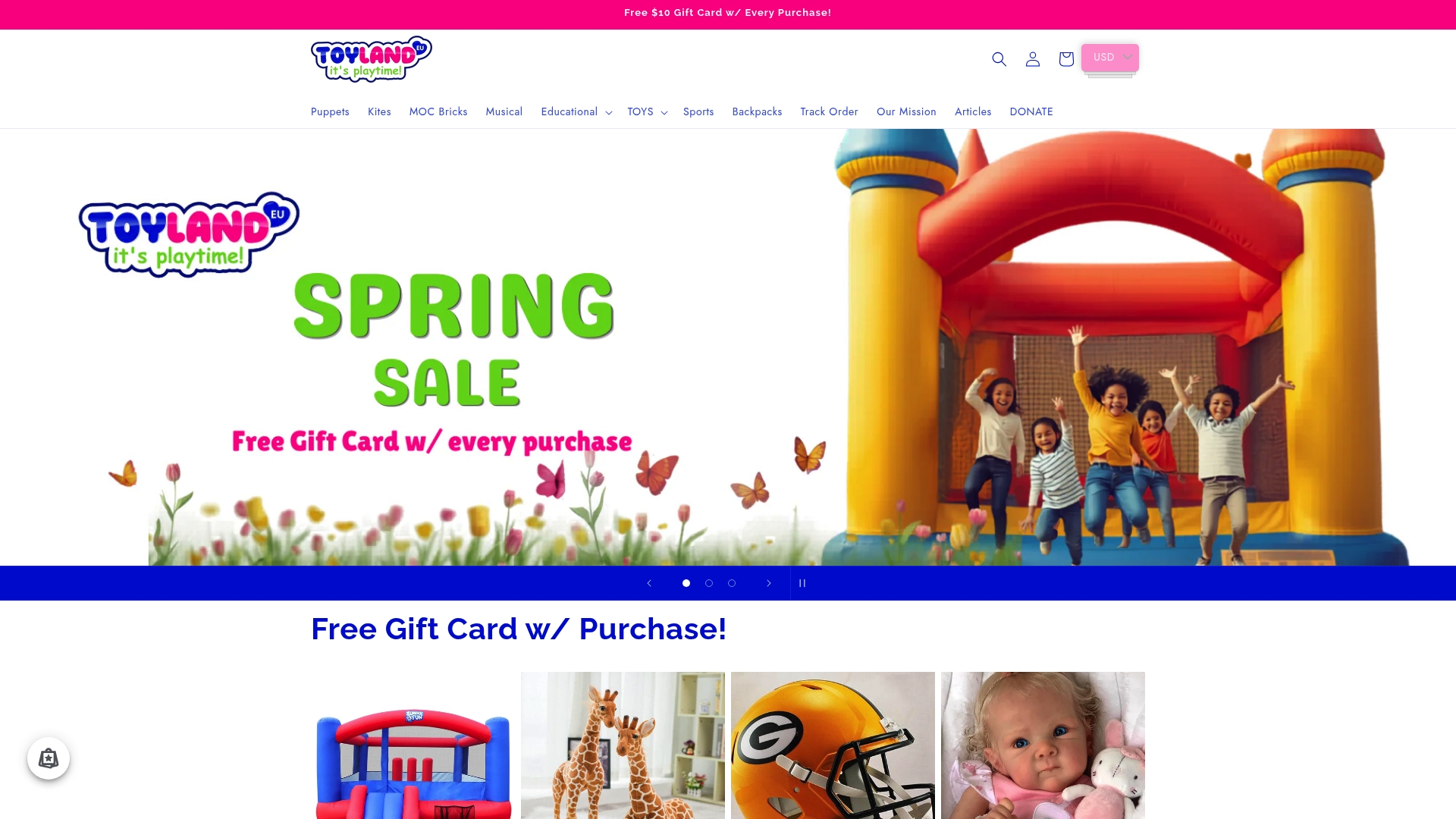
At ToylandEU, we have curated a wide selection of toys that check every box covered in this guide: open-ended, creative, durable, and genuinely fun. Whether you are looking for a gesture-controlled stunt car that wows older kids and hobbyists, a colorful clay modeling kit that sparks hands-on creativity, or a drawing scroll art kit that turns imagination into art, you will find it here. With over 30,000 toys and free worldwide shipping, your next memorable gift is just a few clicks away.
Frequently asked questions
What types of toys are best for reducing anxiety?
Soft, comforting, and familiar toys such as plush animals or favorite figures are most effective for reducing anxiety, especially before stressful events. Research confirms that even a small toy given before a medical procedure can measurably lower anxiety scores in young children.
How do I pick an age-appropriate toy as a gift?
Check age recommendations on packaging and match the toy’s complexity, durability, and theme to the child’s developmental stage. Experts suggest you prioritize open-ended toys that fit the child’s age, available space, and interests for the most satisfying result.
Should I avoid gendered toys?
Yes, neutral and open-ended toys avoid reinforcing stereotypes and promote inclusive play experiences for all children. Studies show that gendered toy choices by parents and gift-givers can unintentionally limit a child’s range of interests and skills.
What if the recipient already has lots of toys?
Choose a unique, open-ended toy and consider suggesting toy rotation to keep play interesting without adding to an overwhelming collection. Experts note that too many toys at once reduce a child’s focus and engagement rather than increasing their enjoyment.
Recommended
- Top early learning toys: expert-backed examples for smarter play – ToylandEU
- Unleash Potential: Educational Toys for Children That Inspire – ToylandEU
- Open-ended toys: 5 proven benefits for child creativity – ToylandEU
- Top Innovative Toys for Child Development in 2025 | Parent’s Guide – ToylandEU
- Best Golf Game Cards for Foursomes: Unique, Competitive, & Fun – Aiming Fluid Golf