

Psychology of Music and Children: A 2026 Parent's Guide
TL;DR:
- Music actively influences children’s cognitive, emotional, and social development. Consistent rhythmic play and family musical activities strengthen executive function, empathy, and emotional regulation. Music therapy offers measurable benefits for children with special needs by targeting emotional and behavioral outcomes.
The psychology of music and children is the study of how musical experiences shape young minds by improving cognitive function, emotional regulation, and social skills. Music is not background noise in a child’s life. It is an active developmental force that touches the brain, the body, and the heart. Recent research published in 2026 confirms that structured musical engagement strengthens executive functions, builds empathy, and supports children with special needs through clinical music therapy for children. Parents and educators who understand these mechanisms can make smarter, more intentional choices about how music fits into daily life.
Quick Summary
Music actively shapes children’s brains and behavior. Structured rhythmic activities improve inhibitory control and working memory. Family musical environments build empathy through emotional contagion. Music therapy produces measurable clinical gains for children with autism and medical challenges. Consistent, low-pressure musical play outperforms sporadic intensive training for long-term development.
TL;DR
- Rhythm-based activities improve self-control in children aged 2–5.
- Home music environments build empathy and pro-social behavior.
- Music therapy is a clinical tool, not just enrichment.
- Latin music and rhythm-heavy genres produce stronger cognitive gains.
- Embed music daily. Keep it playful. Start early.
Table of Contents
- How music shapes children’s psychology and brain development
- Does music help children learn? Executive functions and cognition
- How music builds empathy and emotional well-being at home
- What is music therapy for children with special needs?
- Practical strategies for parents and educators
- Key Takeaways
- Perspective
- Toylandeu™ toys that support musical and cognitive development
- FAQ
How music shapes children’s psychology and brain development
Music shapes children’s psychology through three core mechanisms: rhythm, emotional contagion, and active participation. These are not abstract concepts. Each one maps to a specific developmental outcome that researchers can measure. Rhythm connects musical training to executive functions and language through shared neural networks in the prefrontal cortex. Emotional contagion explains how children “catch” the feelings embedded in music and use them to build empathy. Active participation, such as clapping, drumming, or singing, triggers cognitive benefits that passive listening simply cannot match.
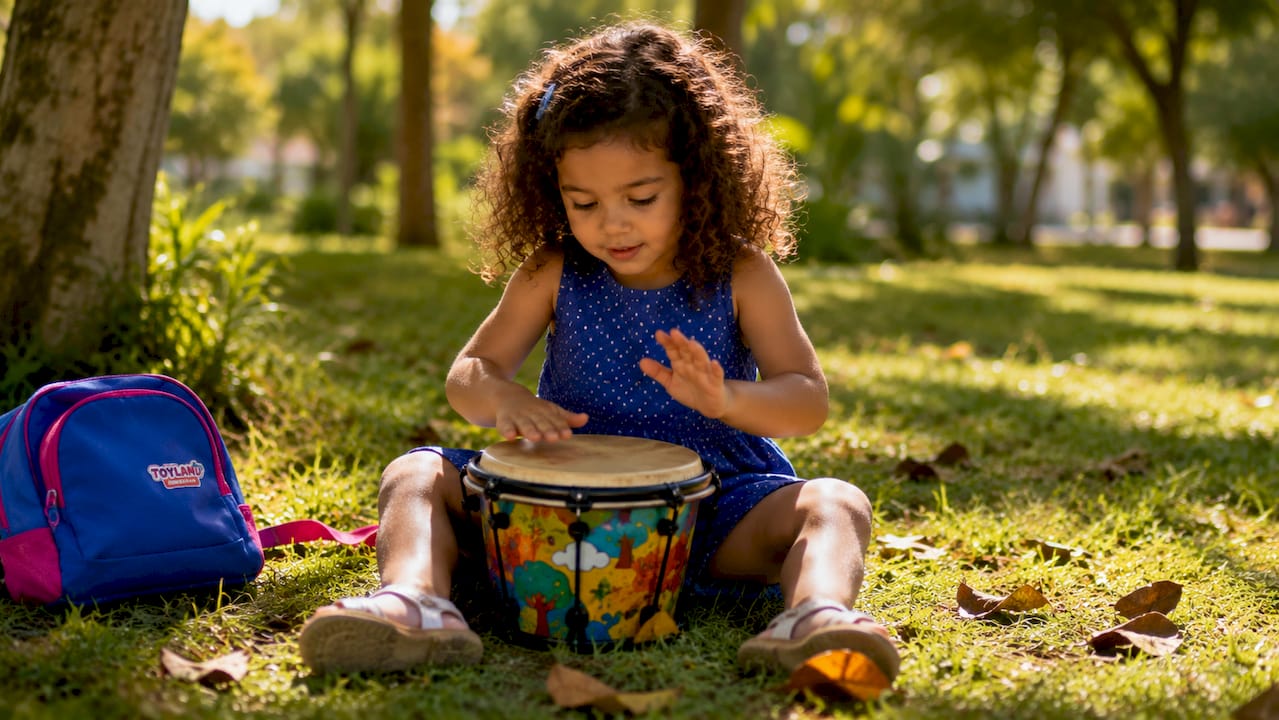
The impact of music on child development spans multiple domains at once. A child learning to keep a beat is also practicing self-regulation, timing, and attention. That overlap is what makes music one of the most efficient developmental tools available to parents and educators.
Does music help children learn? Executive functions and cognition
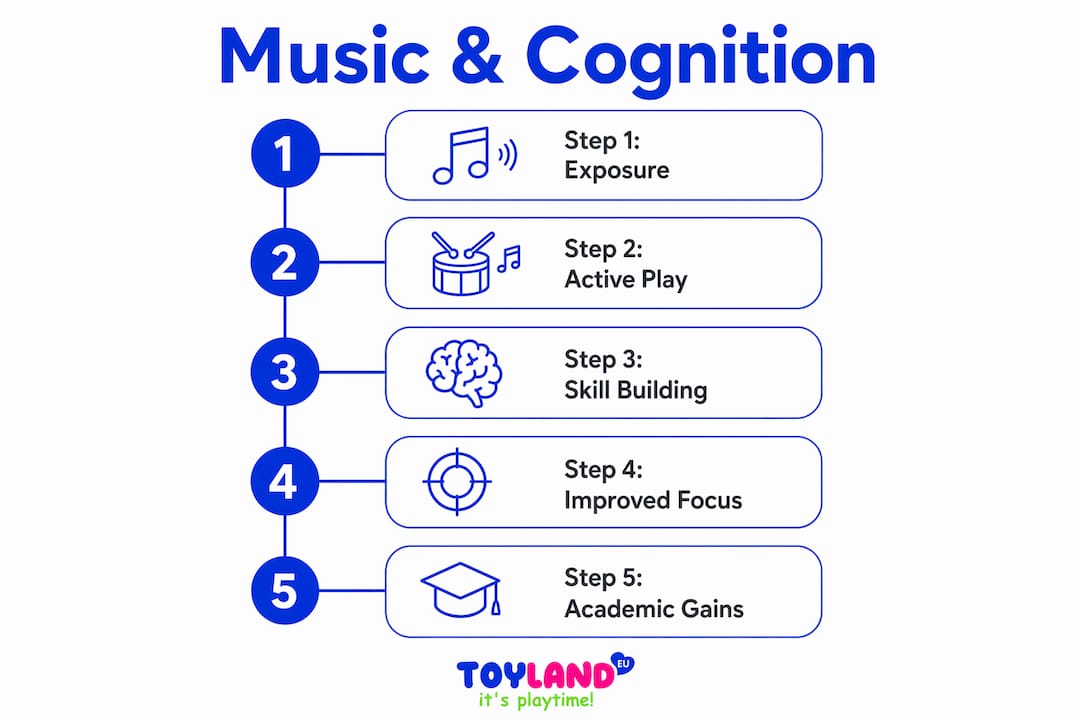
Music does help children learn, and the evidence is specific. Eight-week percussion programs produce statistically significant gains in self-control among preschool children compared to control groups. Self-control, or inhibitory control, is the ability to pause before acting. It predicts academic success more reliably than IQ scores in early childhood.
Why rhythm matters more than melody
Rhythmic participation such as clapping or playing instruments triggers cognitive benefits beyond passive listening. Rhythm acts as a foundational mechanism linking musical training with executive functions and language through shared neural networks involving the prefrontal cortex. This means that a child banging a drum is doing something neurologically significant, not just making noise.
Not all music produces equal results. Rhythm-heavy genres like Latin music provide stronger and more sustained cognitive gains than nursery rhymes or folk music for improving inhibitory control and working memory. The distinct rhythmic salience in these genres appears to engage executive function systems more deeply. That is a practical finding parents can act on immediately.
Age-related differences in musical response
Toddlers and preschoolers respond differently to musical training. Toddlers benefit most from free rhythmic movement and imitation. Preschoolers aged 3–5 show greater gains from structured group activities that require turn-taking and listening. Both age groups benefit from active engagement, but the format matters.
Pro Tip: Add five minutes of rhythmic clapping or drumming to your morning routine. This brief, consistent practice builds inhibitory control without requiring any formal music training or instruments.
| Age group | Best musical activity | Primary cognitive benefit |
|---|---|---|
| Toddlers (1–3 years) | Free movement, imitation games | Motor coordination, attention |
| Preschoolers (3–5 years) | Group drumming, call-and-response | Inhibitory control, working memory |
| Early school age (5–8 years) | Instrument practice, rhythm games | Planning, sustained attention |
How does music build empathy and emotional well-being at home?
The family musical environment is one of the most powerful and underused tools for emotional development. Music emotional contagion mediates the relationship between home music exposure and children’s empathy, with an indirect effect of 0.185 (p < 0.01). This means the mechanism is not simply “music makes kids feel good.” Children absorb the emotional content of music and use it to understand and mirror the feelings of others.
The home musical environment also serves as a compensatory resource. It supports socio-emotional development even when parent-child attachment security is inconsistent. That finding matters for educators and counselors working with children from varied home situations.
Parent-child intimacy and emotional regulation together account for 25.39% of the effect between home music and pro-social behavior in preschoolers. Joint musical activities, where parents and children make or listen to music together, strengthen the bond that drives this outcome. Informal interaction involving joint attention and mimicry contributes more to emotional empathy than formal training alone.
Pro Tip: You do not need to be a musician to create a rich home musical environment. Dancing together in the kitchen, humming during bedtime, or tapping rhythms on the table all count as joint musical activity.
Effective music-based emotional bonding activities at home include:
- Singing familiar songs together before bed
- Dancing freely to music as a family
- Tapping rhythms back and forth as a call-and-response game
- Listening to music from different cultures and talking about how it feels
- Playing simple percussion instruments like shakers or hand drums together
What is music therapy for children with special needs?
Music therapy is a clinical intervention with non-musical goals. The aim is regulatory and emotional improvement, not musical skill acquisition. This distinction separates music therapy from general musical enrichment and defines how it is applied in pediatric settings.
The clinical evidence is strong. Music therapy for children with Autism Spectrum Disorder improves emotional functioning with a standardized mean difference of -1.31 and behavioral functioning with a standardized mean difference of -0.72. For children in pediatric ICUs, music therapy reduces pain sensitivity by 2.09 units on the Wong-Baker FACES scale. These are not small effects.
Effective music therapy depends on emotional matching between therapist and child. A skilled therapist adapts in real time to the child’s emotional state rather than following a fixed playlist. This dynamic responsiveness is what separates clinical music therapy from simply playing calming music in a room.
Parents and educators can support therapeutic music use by:
- Partnering with certified music therapists rather than attempting clinical techniques independently
- Using calming sensory toys that complement therapeutic goals at home
- Observing which musical styles or instruments a child responds to and sharing that information with therapists
- Maintaining consistency between therapeutic sessions and home musical routines
- Recognizing that progress in music therapy shows up as behavioral and emotional gains, not musical performance
For parents of autistic children, toys designed for developmental support can extend the benefits of music therapy into everyday play.
Practical strategies for parents and educators
Consistency beats intensity. Low-pressure musical play practiced regularly promotes longer-term development more reliably than sporadic intensive training. A child who claps rhythms for five minutes every day gains more than a child who attends a two-hour music class once a month.
Embedding music as a core pedagogical tool rather than treating it as enrichment produces measurable gains across communication, social interaction, and emotional regulation in early education settings. Teachers who use music during transitions, group activities, and language lessons report stronger engagement and fewer behavioral disruptions.
Choosing the right musical approach for your setting
| Approach | Best for | Primary outcome |
|---|---|---|
| Daily rhythmic play | Home and classroom routines | Executive function, attention |
| Rhythm-heavy music (e.g., Latin genres) | Targeted cognitive development | Inhibitory control, working memory |
| Joint parent-child music activities | Emotional bonding at home | Empathy, pro-social behavior |
| Clinical music therapy | Children with autism or medical needs | Emotional and behavioral regulation |
| Instrument exploration | Early school-age children | Fine motor skills, sustained focus |
Age-appropriate musical tools make a real difference. A Montessori sensory cube with musical lights gives toddlers a hands-on way to explore sound and cause-and-effect relationships simultaneously. For older children, simple percussion instruments, xylophones, and rhythm games build the same executive function skills that structured programs target in research settings.
The key principle is active engagement. Rhythmic participation directly supports temporal coordination, which is the foundation of both language acquisition and cognitive control. Passive listening has value, but it does not produce the same neurological activation as making sound.
Key Takeaways
Music is one of the most evidence-backed tools parents and educators have for building cognitive skills, emotional regulation, and empathy in children from infancy through early school age.
| Point | Details |
|---|---|
| Rhythm drives cognition | Active rhythmic participation improves inhibitory control and working memory in children aged 2–5. |
| Home music builds empathy | Family musical environments foster empathy through emotional contagion, independent of attachment security. |
| Consistency over intensity | Daily low-pressure musical play produces stronger long-term development than sporadic intensive training. |
| Music therapy is clinical | Pediatric music therapy targets emotional and behavioral outcomes, not musical skill, with measurable clinical results. |
| Genre choice matters | Rhythm-heavy music like Latin genres produces stronger executive function gains than nursery rhymes or folk music. |
Why music is the developmental tool most parents overlook
I have watched children respond to music in ways that no worksheet or structured lesson ever produces. A three-year-old who cannot sit still for five minutes will hold a beat for ten. A child who struggles to make eye contact during conversation will lock eyes with a parent during a call-and-response song. These are not coincidences. They reflect what the research confirms: music engages the brain through a different door.
What surprises me most is how little intentionality most families bring to their home musical environment. Parents invest in reading programs, math apps, and sports schedules. Music gets treated as background. The research says that is backwards. The family musical environment is a direct predictor of empathy and pro-social behavior, and it costs nothing to turn up the music and dance together in the living room.
My honest view is that music therapy deserves far more attention in inclusive education than it currently receives. The clinical outcomes for children with autism are substantial. Yet most schools treat music as a once-a-week special, not a daily developmental tool. That gap between what the evidence supports and what schools actually do is worth closing.
Start simple. Pick one rhythmic activity. Do it every day. The compound effect over months is real, and the research backs it up completely.
— Thane Holland
Toylandeu™ toys that support musical and cognitive development

Toylandeu™ carries a wide selection of early learning toys that align directly with what the research says about active engagement and cognitive development. Musical and rhythm-based toys give children a hands-on way to build the executive function skills that structured programs target in clinical settings. For parents who want to extend the benefits of musical play beyond the classroom, Toylandeu™ offers over 30,000 products with free worldwide shipping. The STEM Robotics Car Kit is one example of an interactive, engagement-driven toy that builds the same planning and attention skills that music training develops. Toylandeu™ ships globally, making it easy for parents and educators anywhere to find tools that support child development through play.
FAQ
What is the psychology of music and children?
The psychology of music and children studies how musical experiences shape cognitive development, emotional regulation, and social behavior in young people. It draws on developmental psychology, neuroscience, and clinical research to explain music’s measurable effects on the growing brain.
Does music help children learn better in school?
Yes. Structured rhythmic activities improve inhibitory control and working memory, both of which predict academic performance. Children in eight-week percussion programs show statistically significant self-control gains compared to peers without musical training.
What is music therapy for children, and how does it differ from music class?
Music therapy is a clinical intervention targeting emotional and behavioral outcomes, not musical skill. A certified music therapist adapts sessions in real time to a child’s emotional state, producing measurable gains in functioning for children with autism and medical challenges.
What types of music are best for child development?
Rhythm-heavy genres, including Latin music, produce stronger gains in inhibitory control and working memory than nursery rhymes or folk music. The key factor is rhythmic salience, not familiarity or simplicity.
How can parents create a musical environment at home?
Joint musical activities such as dancing, singing, and tapping rhythms together build empathy and pro-social behavior through emotional contagion. Consistency matters more than formal training. Daily five-minute rhythmic play sessions outperform occasional structured lessons for long-term development.