

How Music Calms Children: A Parent's 2026 Guide
TL;DR:
- Music therapy employs specific musical features like slow tempo and soft volume to lower physiological arousal in children. Caregivers should actively engage by matching the child’s emotional state and gradually shifting to calmer sounds using the iso-principle. Structured, individualized interventions with consistent sound routines effectively reduce anxiety and support emotional regulation.
Music calms children by triggering physiological changes in the nervous system through slow tempo, soft volume, and repetitive melody. These sound patterns act as safety cues, signaling to a child’s brain that the environment is safe and that arousal can drop. The formal practice of using music this way is called music therapy, a structured clinical approach distinct from simply playing background songs. Research from 2026 shows that intentional music interventions can reduce children’s anxiety scores dramatically, even in high-stress settings like hospitals. This guide gives you the specific techniques, evidence, and practical steps to use music as a real calming tool at home.
Quick Summary
Music therapy uses specific musical elements, including tempo, pitch, and volume, to lower physiological arousal in children. The iso-principle matches music to a child’s current emotional state, then gradually shifts toward calmer sounds. Studies show anxiety scores in hospitalized children dropped from 4.53 to 2.17 after structured music therapy sessions.
TL;DR
- Slow tempo, soft volume, and repetitive melody create safety cues that calm children’s nervous systems.
- The iso-principle starts at the child’s emotional level and guides them down to calm, not up from silence.
- Sensory-sensitive children need volume control and gentle instruments, not just different songs.
- Consistent sound rituals work better than random playlists for daily calming.
Table of Contents
- How music calms children: the science behind it
- What musical elements work best for calming
- How caregivers can use music actively
- What the research actually shows
- Adapting music strategies for sensory-sensitive children
- Key Takeaways
- Perspective
- Promo
- FAQ
How music calms children: the science behind it
Music calms children by directly engaging the autonomic nervous system through structured auditory input. Slow tempo, predictable rhythm, and soft pitch signal safety to the brain, which then lowers heart rate, reduces muscle tension, and slows breathing. This is not a passive or accidental effect. Music therapy uses intentionally designed interventions with specific physiological and psychological goals, according to board-certified music therapist Eric Waldon of the American Psychological Association.
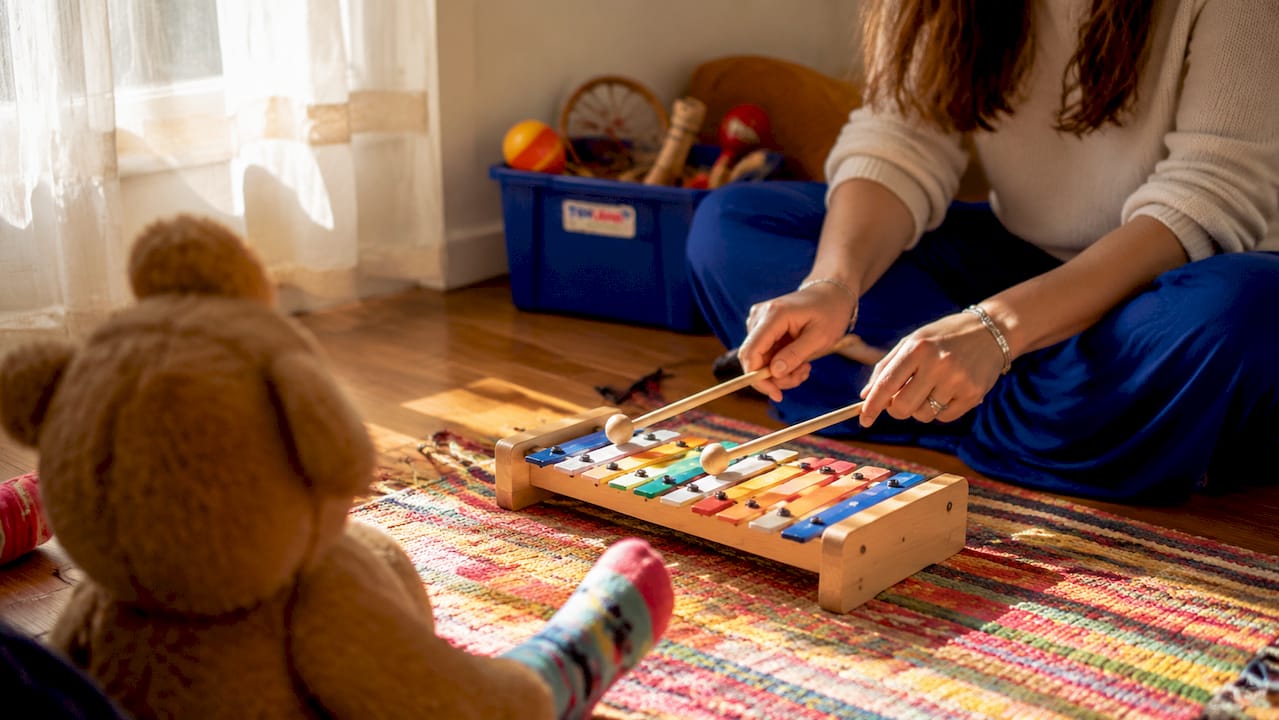
The distinction between music therapy and casual listening matters. Putting on a playlist while your child plays is not the same as a structured session that matches sound to emotional state. Understanding that difference is the first step toward using music as a real tool, not just background noise.
What musical elements work best for calming?
Specific sound features drive the calming response in children. Lullabies activate physiological pathways to calm children through slow tempo, repetitive melody, and soft high pitch, functioning as sound-based emotional regulation tools. These features are not culturally arbitrary. They appear across nearly every culture’s infant-soothing tradition because they reliably signal safety to the nervous system.
The most effective calming music shares these characteristics:
- Slow tempo: Beats per minute below 60–80 mirror a resting heart rate and encourage the body to follow.
- Repetitive melody: Predictable patterns reduce cognitive load and prevent the brain from staying on alert.
- Soft volume: Loud sounds trigger a startle response. Quiet sounds do the opposite.
- High, gentle pitch: Soft high tones mimic the prosody of a soothing adult voice.
- Minimal instrumentation: Fewer competing sounds reduce sensory overload.
The iso-principle is the most practical technique for applying these features. The iso-principle begins with music that matches the child’s current emotional state, then gradually shifts toward slower, softer music to guide regulation. You start where the child is, not where you want them to be.
Pro Tip: Never switch abruptly from fast, loud music to a slow lullaby. A dysregulated child will resist the sudden change. Use micro-steps, dropping tempo and volume gradually over several minutes, to bring the child’s nervous system along with the music.
How can caregivers use music actively to support calm?
Active engagement with music produces better results than passive listening. Personalized music engagement through singing, playing instruments, and moving to rhythm helps children regulate more effectively than simply hearing music in the background. The child’s participation activates more of the nervous system’s calming pathways.
Here is a practical sequence for using music actively at home or in a classroom:
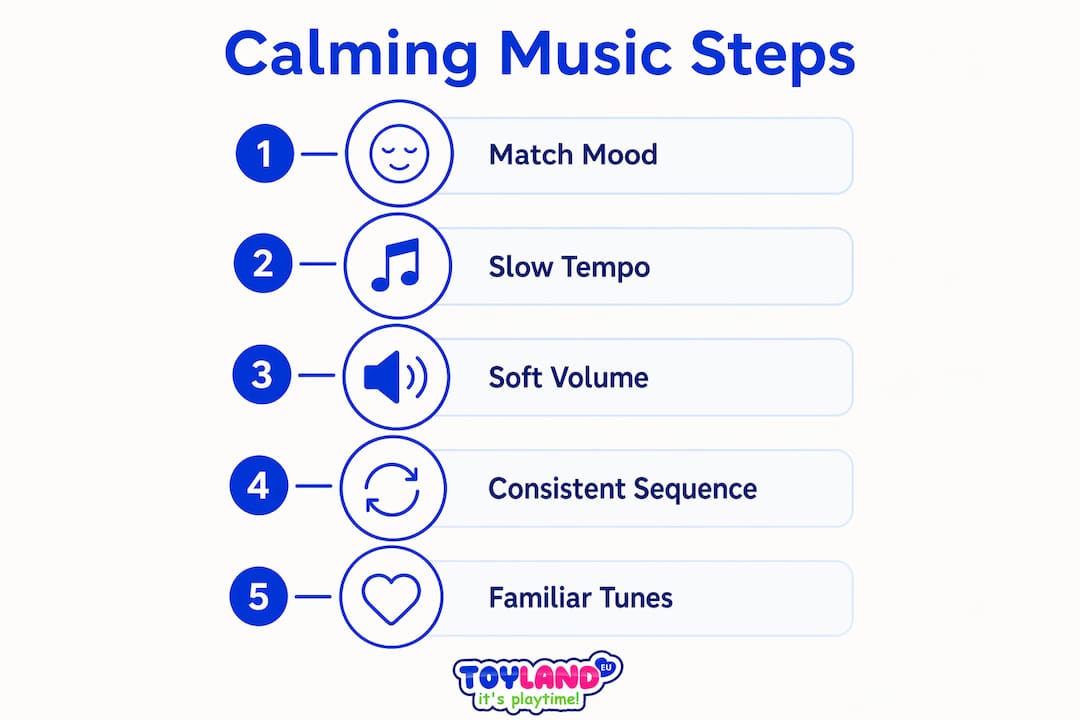
- Read the child’s state first. Is the child agitated, hyperactive, or tearful? Match your opening music to that energy level, not to where you want them to end up.
- Start with familiar, preferred music. A child’s favorite song at moderate tempo creates immediate engagement and trust.
- Introduce movement. Clapping, swaying, or marching to the beat gives the body a physical outlet before the wind-down begins.
- Apply the iso-principle. Gradually slow the tempo and lower the volume over 5–10 minutes. Sing more softly. Move more slowly.
- Transition to a consistent calming track. Use the same song or playlist each time you want to signal rest or sleep. Repetition builds a conditioned response.
Music choices should reflect the individual child’s preferences and coping style. A child who finds high-pitched sounds aversive will not calm to a soprano lullaby, regardless of its tempo. Pay attention to what the child leans toward, not what sounds calming to you as an adult.
Pro Tip: Build a consistent sound ritual using the same calm tracks, the same volume, and the same sequence every day. Routine and predictability in music signal safety and make transitions, like moving from playtime to bedtime, significantly easier over time.
What does the research actually show about music therapy for kids?
The evidence for music’s calming effects on children is strong in structured settings. A 2026 study with hospitalized children found that Facial Image Scale anxiety scores dropped from 4.53 to 2.17 after three days of music therapy sessions. That shift moves children from the “severe anxiety” range to “not anxious.” In a hospital, where fear and pain are constant, that result is significant.
Physiological changes accompany the emotional ones. Structured music therapy sessions influence heart rate, blood pressure, breathing, and muscle tone, helping the body physically relax. These are measurable, objective outcomes, not just caregiver impressions.
The research also shows clear limits. A 2026 PubMed review of parent-infant singing music therapy found no significant effect on attachment or parental anxiety. Music does not universally solve all emotional outcomes. Its effects depend on context, the specific outcome being measured, and how the intervention is structured.
| Study focus | Population | Outcome measure | Result |
|---|---|---|---|
| Music therapy during hospitalization | Hospitalized children | Facial Image Scale anxiety score | Dropped from 4.53 to 2.17 |
| Physiological calming | Children in clinical settings | Heart rate, breathing, muscle tone | Measurable reduction in arousal |
| Parent-infant singing therapy | Infants and parents | Attachment and parental anxiety | No significant effect found |
| Sensory environment adaptation | Displaced children in school | Behavioral calm indicators | Improved with volume and instrument control |
The takeaway is clear. Structured, individualized music interventions work. General music play does not carry the same guarantee.
How do you adapt music strategies for sensory-sensitive children?
Sensory-sensitive and neurodivergent children often need more careful environmental management than neurotypical children. A song that soothes one child can overwhelm another. Adapting instruments and volume to create a calming sensory environment is critical for children with sensory sensitivities, as shown in a 2026 Norwegian school study with forcibly displaced children.
Practical sensory adaptations include:
- Lower the volume significantly. What feels moderate to an adult may be intense for a sensory-sensitive child.
- Remove louder instruments. Percussion and brass can be activating. Strings, soft piano, and voice are gentler starting points.
- Limit competing sounds. Turn off background noise, TVs, and fans before introducing calming music.
- Use predictable, repetitive tracks. Unpredictable musical changes can trigger alertness rather than calm.
- Watch for physical cues. Covering ears, flinching, or increased agitation signals that the sound environment needs adjustment.
Pairing music with calming sensory toys can reinforce the calming effect for children who need multiple sensory inputs managed at once. The goal is to reduce total sensory load, not just swap one stimulus for another. You can also explore how sensory cues like color interact with sound to shape a child’s emotional state.
Key Takeaways
Music calms children most effectively when caregivers use structured techniques like the iso-principle, consistent sound rituals, and sensory environment control rather than relying on passive background listening.
| Point | Details |
|---|---|
| Music therapy vs. background music | Structured interventions with specific tempo and volume goals produce measurable anxiety reduction. |
| The iso-principle works | Start music at the child’s current arousal level, then gradually shift to slower, softer sounds. |
| Consistent rituals matter | Using the same calming tracks and sequence daily builds a conditioned safety response in children. |
| Sensory adaptations are required | Sensory-sensitive children need lower volume, gentler instruments, and reduced competing sounds. |
| Research has limits | Music therapy does not universally affect all outcomes; attachment and parental anxiety showed no significant change in one 2026 review. |
What I’ve learned about music and children that most guides miss
Most articles on this topic tell you to play soft music at bedtime. That advice is not wrong, but it misses the most important part. The relationship between the caregiver and the child during the music matters as much as the music itself. A parent who sings off-key while holding a distressed toddler is doing something more powerful than a perfectly curated playlist playing from a speaker across the room.
I’ve seen caregivers get frustrated when music doesn’t immediately calm a child. The expectation is that the right song will work like a switch. It doesn’t. The iso-principle requires patience because you are guiding a nervous system, not commanding it. That takes minutes, sometimes longer, and it requires you to stay present and attentive throughout.
The other thing worth saying plainly: track multiple signs of calm, not just whether the crying stopped. Sleep onset, ease of transition, reduced muscle tension, and willingness to engage are all indicators. A child who stops crying but remains rigid and watchful is not yet calm. Music got you partway there. Stay with it.
Experiment without pressure. Some children respond to wordless instrumental music. Others need a familiar voice. Some need movement before they can settle. Your child will tell you what works if you pay attention to their body, not just their behavior.
— Thane Holland
Creative tools that work alongside calming music

Music is one piece of a larger calming environment. Hands-on creative activities give children another channel for emotional expression, especially after a music session has brought their arousal down to a manageable level. Toylandeu™ carries art kits and creative learning sets designed to keep children focused, calm, and engaged without overstimulation.
The Montessori Drawing Kit pairs well with a quiet music routine, giving children a structured, screen-free activity that channels energy into focused creation. For children who need more tactile engagement, the 24-Color Clay Modeling Kit provides a hands-on outlet that complements the sensory-calming work music starts. Toylandeu™ ships worldwide with free shipping on its full catalog of over 30,000 items.
FAQ
How does music calm children physically?
Music with slow tempo and soft volume lowers heart rate, reduces muscle tension, and slows breathing by engaging the autonomic nervous system. These are measurable physiological changes, not just perceived relaxation.
What is the iso-principle in music therapy for kids?
The iso-principle starts with music that matches the child’s current emotional state, then gradually shifts to slower, softer music to guide the child toward calm. Abrupt switches to slow music often cause resistance in dysregulated children.
What types of songs calm children most effectively?
Lullabies with slow tempo, repetitive melody, and soft high pitch are the most reliably calming. Familiar songs the child already associates with safety tend to work faster than unfamiliar tracks, regardless of tempo.
Does music therapy work for all children?
Music therapy reduces anxiety significantly in structured settings, but it does not universally affect all outcomes. A 2026 review found no significant effect on attachment or parental anxiety in parent-infant singing programs, showing that context and intervention design matter.
How do I use music to calm a toddler during a meltdown?
Start with music at or slightly above the toddler’s current energy level, then gradually lower the tempo and volume over several minutes. Sing along, use gentle movement, and keep the environment quiet to reduce competing sensory input.