

Can Boys Play With Toys? What Every Parent Should Know
TL;DR:
- Research shows that boys benefit from playing with a variety of toys, which helps develop empathy and social skills.
- Parents should promote inclusive play by offering diverse toys and avoiding gendered language or stereotypes.
Boys can and should play with any toy that sparks their curiosity, regardless of how it is marketed. The question of whether boys playing with toys traditionally labeled for girls is appropriate has a clear, research-backed answer: yes, and it actively supports their development. Psychologist Sandra Bem’s gender schema theory and multiple studies on childhood play show that restricting toy choices based on gender limits emotional growth, social skills, and cognitive flexibility. This guide gives parents and caregivers the evidence and practical tools to support inclusive play with confidence.
What does research say about boys playing with toys?
Children develop gender stereotypes early, typically between ages 2 and 6, with rigidity peaking around ages 5 and 6. A study involving 579 children found that exposure to counterstereotypical play reduces stereotype rigidity. That finding matters because the window for shaping flexible attitudes is narrow and starts well before kindergarten.
The same research analyzed 258 children aged 5–6 and 321 aged 7–10 and found that attitudes toward toys predict openness to non-traditional careers and household roles later in life. A boy who plays freely with dolls, art kits, and building sets is more likely to grow into an adult comfortable with diverse roles at home and at work. Biological sex alone does not determine this flexibility. A child’s individual attitude toward gendered toys is a stronger predictor of role flexibility than their sex, making counterstereotypical play a genuine educational tool.
Key findings from the research:
- Children exposed to diverse play scenarios show greater flexibility in gender role attitudes.
- Individual toy attitudes predict career and domestic role openness more reliably than biological sex.
- Counterstereotypical play works best when introduced before age 6, during peak stereotype formation.
- Parents who actively promote varied play raise children with more egalitarian views.
“A child’s individual attitudes about gender-typed toys are stronger predictors of their openness to diverse roles than biological sex, making counterstereotypical play a key educational tool.” — University of Granada research, published via Digibug
How gender schemas shape boys’ toy preferences
Sandra Bem’s gender schema theory explains that children build mental maps of gendered behavior by absorbing cultural cues from their environment. These maps form early and quietly. A boy who sees only trucks and action figures in his playroom starts to associate those objects with his identity, not because of biology, but because of the signals around him.
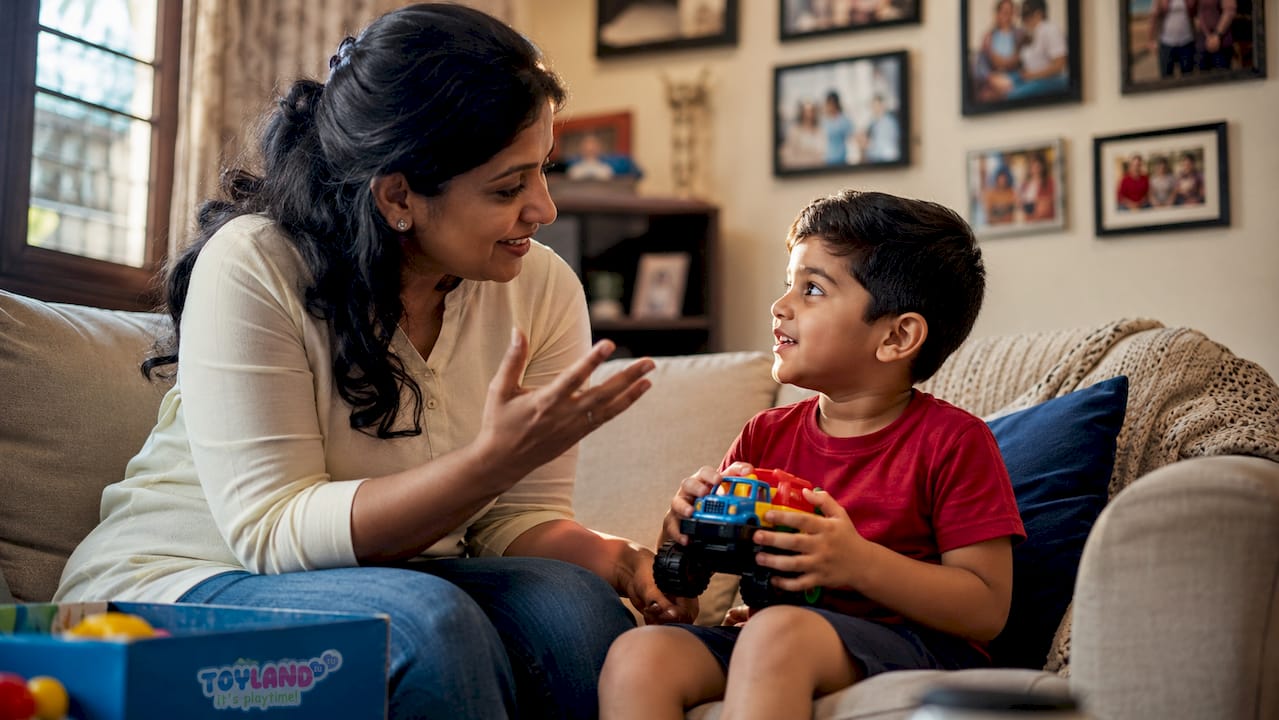
Parents often reinforce these schemas without realizing it. Gendered language around toys like calling something a “girl’s toy” or steering a child away from a doll aisle sends a message that certain interests are off-limits. Even well-meaning parents do this through habit. The fix is not to force preferences but to widen the options available.
Bem’s own advice is practical: offer a wide range of toys to keep developmental options open rather than trying to control what a child gravitates toward. The goal is exposure, not direction.
Common parental habits that narrow play options:
- Using phrases like “that’s for girls” when a boy shows interest in a doll or craft kit.
- Stocking a playroom exclusively with vehicles, sports equipment, or action figures.
- Reacting with surprise or discomfort when a boy chooses a traditionally feminine toy.
- Buying gender-coded gifts based on store categorization rather than the child’s actual interests.
Pro Tip: Replace “boys’ toys” and “girls’ toys” with “toys you like” and “toys you want to try.” That single language shift removes the social penalty a child might feel for choosing freely.
How diverse toys benefit boys’ development
Playing with dolls helps boys develop empathy and social skills that carry into adult relationships. When a boy nurtures a doll, feeds it, or acts out caregiving scenarios, he practices emotional attunement. That is not a soft skill. It is the foundation of healthy friendships, teamwork, and parenting.
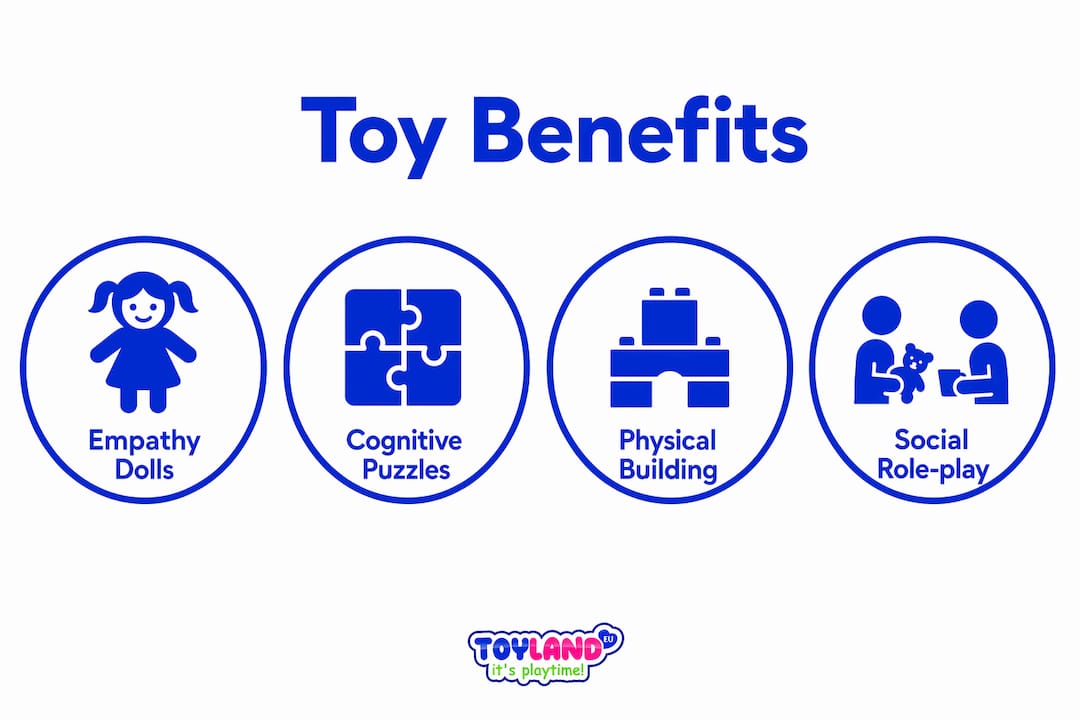
Experts Gayle Kligman and Dr. Magdalena Oledzka recommend prioritizing toys that foster physical and cognitive growth over toys sorted by gender label. A STEM kit builds problem-solving skills whether it is packaged in blue or pink. A clay modeling set builds fine motor control and spatial reasoning for any child who uses it.
| Toy type | Primary developmental benefit |
|---|---|
| Dolls and puppets | Empathy, emotional vocabulary, caregiving skills |
| STEM and building kits | Logical reasoning, spatial awareness, persistence |
| Art and drawing kits | Fine motor skills, creative expression, focus |
| Remote-controlled vehicles | Hand-eye coordination, spatial judgment, cause-and-effect thinking |
| Role-play sets | Social skills, language development, perspective-taking |
The pattern is clear. Varied playtime activities for boys produce broader developmental outcomes than a narrow toy diet. No single toy type covers all the skills a child needs.
Pro Tip: Rotate toy types every few weeks. Consistent exposure to different categories, art one week, building the next, keeps developmental benefits compounding rather than plateauing.
Practical advice for parents supporting boys’ free play
The most effective approach is to make variety the default, not the exception. Stock the play space with options across categories: creative kits, physical toys, social play sets, and open-ended building materials. Let your son choose without commentary on what he picks.
When relatives or peers push back on a boy’s toy choices, a calm, factual response works better than a debate. “He enjoys it, and it’s great for his development” closes the conversation without escalating it. You do not need to justify your child’s play preferences to anyone.
Practical steps for parents:
- Visit toy sections without steering your son toward or away from any aisle.
- Give equal enthusiasm for all toy choices, whether he picks a remote-control car or a craft kit.
- Read books and watch shows that model boys in nurturing or creative roles.
- Connect with other parents who support inclusive play to normalize it in your child’s social circle.
- Use resources like Toylandeu™'s guide to choosing toys to find options that prioritize development over gender labels.
Spain’s toy industry and government have launched campaigns showing boys playing with dolls and actively dismantling pink and blue stereotypes in advertising. That shift reflects a growing global consensus: the best toys for boys are the ones that match their curiosity, not a marketing category.
Key Takeaways
Boys who play with a diverse range of toys develop stronger empathy, cognitive flexibility, and social skills than boys restricted to gender-coded options.
| Point | Details |
|---|---|
| Research backs inclusive play | A study of 579 children shows counterstereotypical play reduces gender stereotype rigidity. |
| Attitudes matter more than biology | A child’s toy attitudes predict role flexibility better than biological sex. |
| Language shapes choices | Phrases like “boys’ toys” narrow comfort zones; neutral language keeps options open. |
| Variety drives development | Dolls build empathy, STEM kits build reasoning, art builds motor skills. No single type covers all needs. |
| Parents set the tone | Stocking varied toys and reacting with equal enthusiasm signals that all play is valid. |
Why I think we’ve been asking the wrong question
The question parents usually ask is whether boys are allowed to play with certain toys. That framing puts the focus on permission. The better question is what boys gain from playing with a full range of toys, and the answer is substantial.
I’ve watched boys who grew up with open toy shelves navigate friendships and conflict with noticeably more ease than peers raised on a strict diet of action figures and sports gear. That is not a coincidence. The empathy practice that comes from doll play, the patience that comes from art kits, and the problem-solving that comes from building sets all show up later in how a child handles real relationships.
The societal pressure on parents is real. A grandmother who raises an eyebrow at a grandson holding a doll can make a parent second-guess a perfectly healthy choice. Mindful parenting means recognizing that pressure for what it is: a cultural habit, not a developmental guideline. You can acknowledge the discomfort without letting it redirect your child’s play.
The research from Sandra Bem, the University of Granada studies, and expert recommendations from Gayle Kligman all point in the same direction. Free, varied play is not a parenting trend. It is what child development science has supported for decades. The parents who act on that evidence raise more flexible, compassionate kids. That outcome is worth the occasional awkward family moment.
— Thane Holland
Toylandeu™ has toys that work for every child
Toylandeu™ carries over 30,000 toys across categories that match every interest a child might have, from remote-controlled vehicles to art kits, STEM sets, dolls, and puppets. None of it is sorted by who is “supposed” to want it.

The Montessori Drawing Kit is a strong starting point for parents who want a creative, open-ended option that builds focus and fine motor skills for any child. Toylandeu™ also offers a colorful DIY art scroll and a 24-color clay modeling kit that support the kind of varied, development-focused play this article describes. Free worldwide shipping makes it easy to build a well-rounded toy shelf without the markup of traditional retail.
FAQ
Can boys play with dolls without it affecting their identity?
Yes. Research shows that boys who play with dolls develop stronger empathy and social skills, with no negative effect on gender identity. Play is how children practice relationships, not how they define themselves permanently.
At what age do boys start forming toy preferences based on gender?
Gender stereotypes in children typically form between ages 2 and 6, peaking around ages 5 and 6. Introducing diverse toys before that window closes has the greatest impact on long-term attitude flexibility.
Are boys allowed to play with toys marketed to girls?
There is no developmental, psychological, or medical reason to restrict boys from any toy category. Experts including Sandra Bem and Gayle Kligman recommend offering a wide range of toys regardless of how they are marketed.
What are the best toys for boys that also build emotional skills?
Dolls, puppets, and role-play sets build empathy and social skills. Art kits and clay modeling sets build focus and fine motor control. Toylandeu™'s inclusive toy selection covers all of these categories in one place.
How do I respond if family members criticize my son’s toy choices?
A short, confident response works best: “He enjoys it, and it supports his development.” You do not need to debate the research. Staying calm and consistent signals to your child that his choices are valid.