

Explain the Unboxing Toys Trend: A Parent's Guide
TL;DR:
- The unboxing toys trend relies on anticipation, scarcity, and social media to drive repeat purchases among children and collectors. Its psychological appeal stems from variable rewards and social proof, while marketing strategies include engineered rarity and video-focused design. Parents should focus on mindful engagement, considering environmental impacts and fostering community-based collecting practices.
The unboxing toys trend is a consumer phenomenon where children and families purchase sealed, surprise-reveal packages without knowing which figure or toy is inside. Known in the industry as “blind box” toys, these products combine the psychological thrill of anticipation with collectible culture to create a buying cycle that is deliberately engineered to repeat. The global blind box market reached US$13.53 billion in 2024, driven by social media platforms and surprise-reveal mechanics. That number tells you this is not a passing fad. It is a mature, strategically designed market that directly shapes what your child asks for next.
Quick Summary
The unboxing toys phenomenon works because it fuses variable reward psychology, collectible scarcity, and social media virality into a single product format. Brands like Pop Mart engineer packaging, rarity ratios, and TikTok content to maximize repeat purchases. Parents who understand these mechanics are better equipped to guide their children’s engagement with the trend.
TL;DR
- Blind box toys trigger dopamine through anticipation, not just ownership.
- TikTok and influencer content amplify demand through viral feedback loops.
- Rarity ratios and duplicate figures are deliberate design choices, not accidents.
- The trend raises real concerns about plastic waste and gambling-adjacent behavior.
- Mindful engagement beats blanket bans for most families.
Table of Contents
- What psychological factors make unboxing toys so appealing?
- How social media platforms shape the unboxing toys trend
- What business strategies drive the unboxing toys market
- What is the impact of unboxing videos on children’s play and identity?
- What environmental and ethical concerns should parents know?
- Key Takeaways
- Perspective
- Where to find toys with lasting play value
- FAQ
What psychological factors make unboxing toys so appealing?
The core appeal of the unboxing toys phenomenon is not the toy itself. It is the moment before you know what is inside. Variable rewards trigger dopamine release during anticipation, a mechanism psychologists link directly to “irrational consumption” and repeat purchases. The brain treats uncertainty as a reward signal, which means the not-knowing is neurologically more exciting than the reveal.
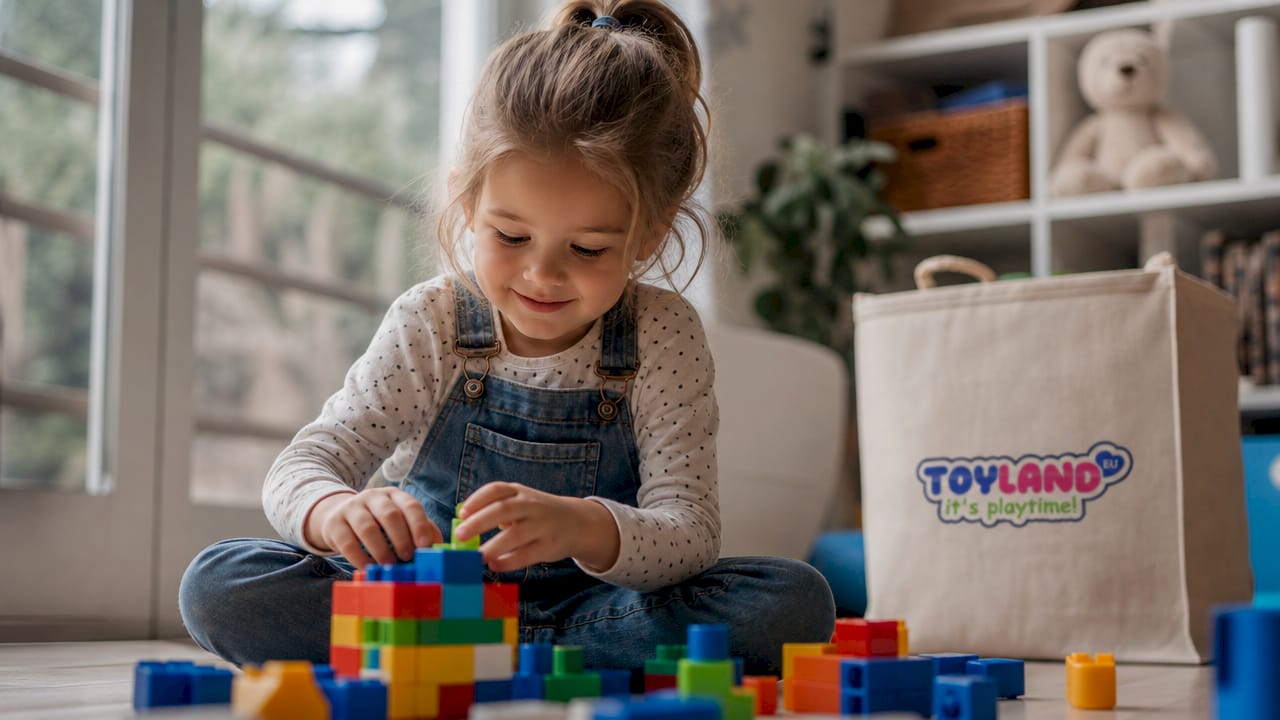
This is the same mechanism behind slot machines and loot boxes in video games. For children, whose prefrontal cortex is still developing, the pull is even stronger. Anticipation regularly feels more rewarding than actual ownership, which explains why a child can open ten blind boxes in a row and immediately want an eleventh.
Several reinforcing factors compound this effect:
- Near-miss psychology: Getting a common figure when you wanted a rare one feels like almost winning, which sustains motivation to try again.
- Perceived control: Shaking the box, choosing from a display, or picking a “lucky” color gives children a false sense of influence over the outcome.
- Social proof: Watching peers or online creators open the same product validates the desire and normalizes repeated spending.
- Emotional bonding: The surprise moment creates a memory spike, making the toy feel more significant than one chosen off a shelf.
Pro Tip: If your child is fixated on a specific rare figure, check secondary market platforms first. Buying the exact figure directly often costs less than the statistical number of boxes needed to pull it randomly.
How social media platforms shape the unboxing toys trend
TikTok is not just a marketing channel for blind box toys. It functions as a real-time product concept testing and launch platform, where viral feedback loops shape toy design directly. A toy that performs well in unboxing videos gets fast-tracked into wider production. One that fails to generate engagement gets quietly shelved. This means the toys your child sees online are pre-selected for maximum visual and emotional impact on camera.
Pop Mart’s Labubu line is the clearest proof of this dynamic. The brand generated nearly US$700 million in revenue and 1.1 billion TikTok hashtag views in 2025. That scale was not achieved through traditional retail. It was built through a viral loop where creators filmed unboxings, algorithms amplified the most emotionally charged reactions, and new viewers converted into buyers who then created their own content.
The platform’s influence on toy design follows a clear pattern:
- A creator films an unboxing with exaggerated reactions and close-up reveal shots.
- The algorithm distributes the video to viewers with similar engagement histories.
- Demand spikes, often before the toy is widely available in stores.
- Manufacturers use the engagement data to calibrate future product runs and rarity ratios.
- Celebrity or influencer involvement, such as Lisa from BLACKPINK publicly collecting Labubu figures, adds a second wave of social proof that reaches entirely new demographics.
Toys in this space are also designed for camera-friendly features: exaggerated proportions, high-contrast colors, and expressive faces that read clearly on a phone screen. The shelf experience is secondary to the feed experience.
What business strategies drive the unboxing toys market
The commercial mechanics behind blind box toys are more sophisticated than most parents realize. Manufacturers calibrate rarity ratios as tight as 1:144 to manufacture scarcity that drives collector behavior. One ultra-rare figure per 144 boxes means that even dedicated collectors will statistically buy dozens of duplicates before completing a set.
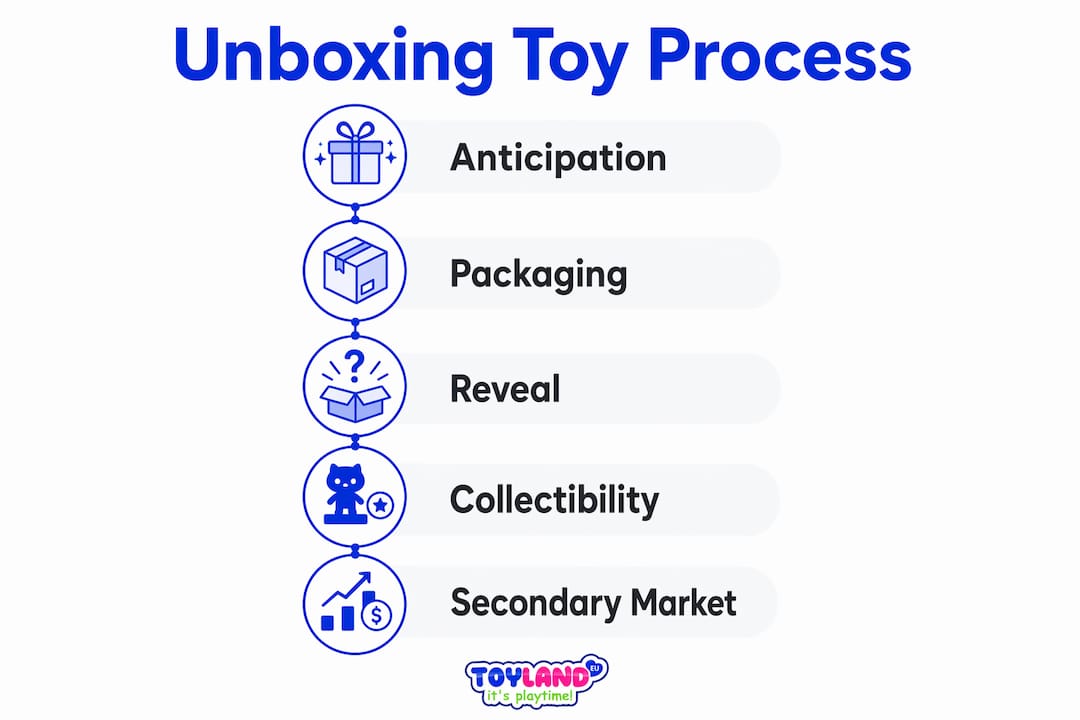
Packaging is also engineered with precision. Foil tear strips create a sensory “pop” sound during the reveal, a deliberate acoustic and tactile choice that heightens anticipation and makes the moment more satisfying to film. The box itself is part of the product experience, not just a container.
Here is how the two dominant product strategies compare:
| Strategy | Mechanic | Consumer outcome |
|---|---|---|
| Rarity tiers | Common, rare, ultra-rare figures at calibrated odds | Repeat purchases to complete sets |
| Duplicate pulls | Intentional repeat figures in production runs | Secondary market trading and community engagement |
| Limited runs | Time-limited or region-exclusive releases | Urgency buying and resale market activity |
| Feed-first design | Exaggerated features optimized for video | Higher organic content creation by buyers |
Duplicate figures and secondary market trading are not flaws in the system. They are built-in mechanics designed to maximize consumer lifetime value. A child who gets a duplicate does not just feel disappointed. They enter a trading community, which deepens brand attachment and extends the purchase cycle.
Pro Tip: Use the secondary market strategically. Sites where collectors trade duplicates often let you complete a set at a fraction of the cost of buying new boxes. This also teaches children about value, negotiation, and patience.
What is the impact of unboxing videos on children’s play and identity?
The unboxing experience for kids extends well beyond the toy itself. For younger children, the ritual of opening, discovering, and displaying figures becomes a form of play in its own right. The box, the reveal, and the arrangement of a collection all carry emotional weight that a standard toy purchase does not generate.
For older children and teens, blind box toys act as comfort objects and identity signals. Displaying a rare Labubu or a complete series on a shelf communicates taste, cultural awareness, and belonging to a specific community. This identity function explains why the trend extends well beyond childhood and into adult collector culture.
The social dimensions of collecting also shape behavior in meaningful ways:
- Trading builds negotiation skills and teaches children to assess relative value.
- Community belonging through shared collecting reduces social anxiety for some children.
- Parental co-participation in the unboxing ritual creates genuine bonding moments.
- Completion goals give children a concrete, achievable objective that builds persistence.
The concern for parents is not the play itself. It is the consumption pattern underneath it. When the joy is located primarily in the purchase moment rather than in sustained play, children can develop a habit of seeking novelty over depth. Understanding this distinction helps parents redirect the energy without dismissing the genuine appeal. For a broader look at how collectibles build lasting value, the collector mindset can be channeled productively.
What environmental and ethical concerns should parents know?
The unboxing trend poses direct environmental challenges through plastic waste and the fleeting value of single-use figures. Most blind box figures are small PVC or ABS plastic items with limited play function beyond display. When a child loses interest or pulls a duplicate, the figure typically ends up in landfill.
| Concern | Current status |
|---|---|
| Plastic waste | Majority of figures are non-recyclable PVC or ABS plastic |
| Packaging waste | Multi-layer foil and cardboard packaging per single figure |
| Gambling-adjacent mechanics | Under review by regulators in Belgium, Netherlands, and parts of Asia |
| Sustainability initiatives | Emerging, but not yet standard across major producers |
Regulatory pressure is building internationally. Several European countries have examined whether blind box mechanics constitute a form of gambling targeting minors, particularly when secondary market values create financial stakes. No binding EU-wide regulation exists as of 2026, but the conversation is active. Parents seeking more context on sustainable toy choices will find the regulatory picture evolving quickly.
Key Takeaways
The unboxing toys trend succeeds because it combines dopamine-driven anticipation, engineered scarcity, and social media virality into a product format that is deliberately designed to repeat.
| Point | Details |
|---|---|
| Psychology drives repeat buying | Variable reward mechanics trigger dopamine before the reveal, not after. |
| TikTok shapes product design | Viral feedback loops influence which toys get made and how they are packaged. |
| Rarity is engineered | Odds as tight as 1:144 are calibrated to maximize duplicate pulls and secondary trading. |
| Identity and community matter | Collecting builds belonging and self-expression, especially for older children and teens. |
| Environmental cost is real | Non-recyclable plastics and gambling-adjacent mechanics are drawing regulatory attention. |
Why I think parents are asking the wrong question about unboxing toys
Most parents I hear from want to know whether blind box toys are good or bad. That framing misses the point. The more useful question is: what is your child actually getting from the experience, and is the cost proportionate to that value?
The joy of the reveal is genuine. Discovery is one of childhood’s most powerful emotional experiences, and unboxing toys deliver it in a concentrated, repeatable format. I do not think that is trivial. What concerns me is the consumption loop underneath it. When the product is engineered so that satisfaction lasts seconds and the desire to buy again is immediate, parents are not competing with a toy. They are competing with a system designed by behavioral scientists and marketing teams.
My honest recommendation is selective engagement over blanket restriction. Set a clear budget per month, let your child choose how to spend it within that limit, and use the secondary market to stretch value. The trading and collecting culture around these toys has genuine social and cognitive benefits when it is not driven purely by compulsive buying. The blind box collector community is real, and for many children it provides meaningful connection. The goal is to participate in that culture without being consumed by its commercial mechanics.
— Thane
Where to find toys with lasting play value
If the unboxing toys trend has you thinking about what actually holds a child’s attention beyond the first five minutes, Toylandeu stocks over 30,000 toys built for sustained engagement. The RC Gesture-Controlled Stunt Car is a strong example: it delivers genuine surprise and excitement through 360-degree stunts and gesture controls, with play value that compounds over time rather than expiring at the reveal. Toylandeu ships worldwide with free shipping, making it a practical option for parents who want to balance the thrill of gifting with toys that earn their shelf space. Browse the full catalog at toylandeu.com for options across every age group and interest.
FAQ
What exactly is a blind box toy?
A blind box toy is a sealed package containing a random figure from a collectible series, where the buyer does not know which figure is inside until the box is opened. The format is also called a mystery box or surprise toy.
Why are unboxing toys so popular with kids?
Variable reward psychology explains the appeal. The brain releases dopamine during anticipation of an unknown outcome, making the moment before the reveal more exciting than the toy itself.
Are blind box toys a form of gambling?
Regulators in Belgium, the Netherlands, and parts of Asia are actively examining whether blind box mechanics constitute gambling targeting minors. No binding EU-wide ruling exists as of 2026, but the debate is ongoing.
How can parents manage the unboxing toys trend at home?
Set a fixed monthly budget, use secondary market trading platforms to complete sets without buying new boxes, and focus on the collecting and community aspects rather than the purchase moment.
Do unboxing toys have lasting play value?
Most blind box figures are designed primarily for display and collection rather than active play. Their value is social and identity-based, which is genuine but different from toys engineered for extended physical or imaginative play.