

Stress Relief Toys: Best Picks for Adults and Kids
TL;DR:
- Stress relief toys reduce anxiety through tactile and sensory stimulation, with options ranging from simple stress balls to clinical-grade devices. They are chosen based on stress level, environment, and sensory preference to provide effective calm and focus. Certain toys work better for daily use, while advanced devices offer rapid relief during acute anxiety episodes.
Stress relief toys are tools designed to reduce anxiety and improve focus through tactile and sensory stimulation. Clinically, this category spans everything from simple stress balls to handheld vagus nerve stimulators that activate the parasympathetic nervous system in under 60 seconds. Parents, educators, and adults all use these products differently, but the underlying mechanism is the same: repetitive physical input interrupts the stress response and redirects attention. This guide ranks the top options by features, audience fit, and real-world effectiveness.
Quick Summary
Stress relief toys work by engaging tactile and sensory pathways to interrupt the body’s stress response. The best options match your environment, sensory preference, and stress intensity. Fidget tools suit daily low-level anxiety; clinical-grade devices address acute episodes.
TL;DR
- Stress balls, fidget cubes, and sensory putty work for everyday anxiety.
- Clinical devices like vagus nerve stimulators deliver fast relief for acute stress.
- Choose based on setting: office, classroom, or home.
- Kids need age-safe materials; adults often prefer discreet, portable options.
- Toylandeu™ carries a broad selection of calming and engaging toys for all ages.
Table of Contents
- What are the best types of stress relief toys?
- Top 10 stress relief toys for different audiences
- How to choose the right stress relief toy
- When and where stress relief toys work best
- Key Takeaways
- Perspective
- Toylandeu™ picks worth trying
- FAQ
What are the best types of stress relief toys?
The most effective stress relief toys fall into four main categories, each targeting a different sensory pathway.
Tactile fidgets are the most common. Fidget tools like keypads, wooden rollers, and silicone sensory brushes give hands something to do without demanding mental attention. That physical outlet lowers cortisol and sharpens focus, especially during long meetings or study sessions.
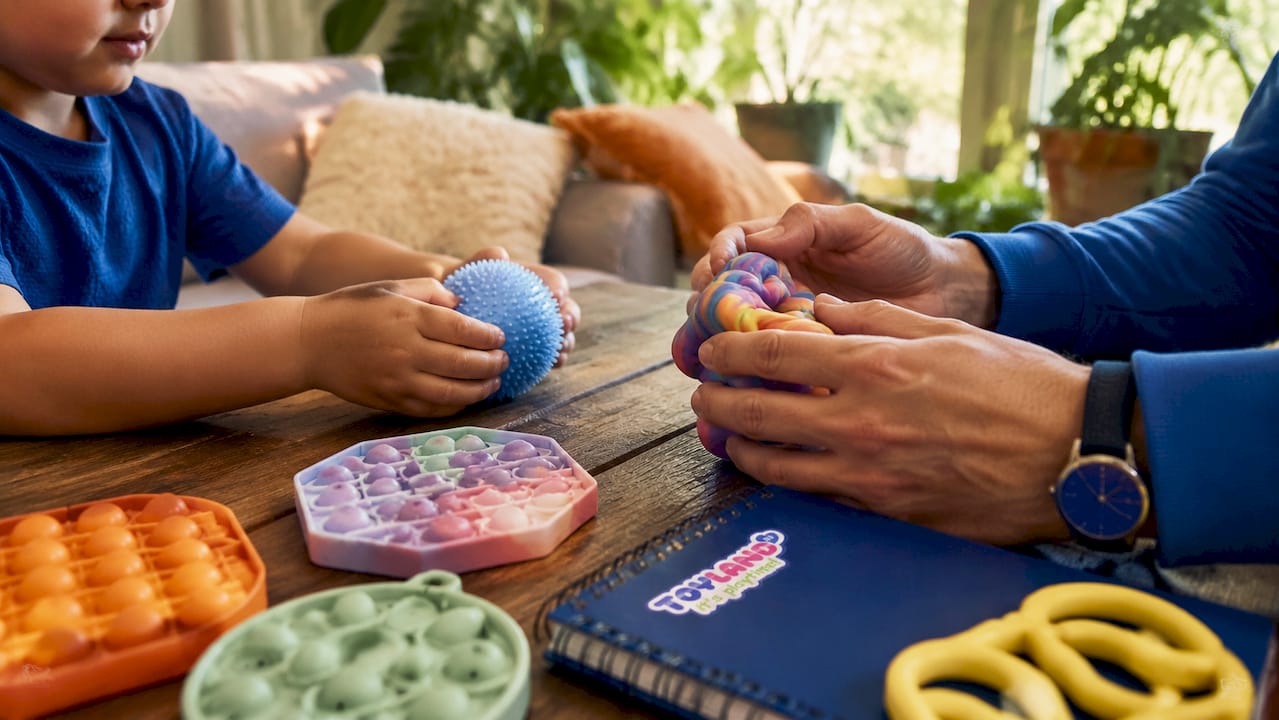
Squeeze and compression toys include stress balls and textured putty. Stress balls are widely recommended for workplace anxiety because squeezing activates muscle tension and release, which mimics the physical component of the fight-or-flight response and helps discharge it.
Sensory and aromatic tools work through smell and breath. A handheld aromatherapy diffuser delivers botanical aromas that support calm and emotional balance through slow, intentional breathing. This category suits adults who want a mindfulness anchor without a screen.
Clinical-grade devices sit at the advanced end. Vagus nerve stimulators use high-dose hydrogel tips to stimulate the parasympathetic nervous system directly. They are not toys in the traditional sense, but they belong in any serious conversation about anxiety relief gadgets because of their speed and measurable effect.
- Tactile fidgets: best for focus and low-level daily stress
- Squeeze toys: best for acute jitters and deadline pressure
- Sensory and aromatic tools: best for mindfulness and emotional regulation
- Clinical devices: best for acute anxiety episodes requiring fast intervention
Top 10 stress relief toys for different audiences
1. Stress balls
Stress balls are the most recognized calming sensory toy on the market. They require no instructions, fit in a pocket, and work silently. Adults use them at desks; teachers keep them in classrooms for students who need a physical outlet without disrupting others.
2. Fidget cubes
A fidget cube packs six different tactile actions into one small block: clicking, spinning, sliding, rolling, flipping, and rubbing. Each side targets a different sensory preference. This makes fidget cubes one of the most versatile fidget toys for adults and older kids alike.
3. Silicone sensory brushes
Silicone sensory brushes provide gentle pressure across the fingertips and palms. Occupational therapists use them with children who have sensory processing differences. Adults find them equally useful for grounding during anxious moments at a desk.
4. Kinetic sand and sensory putty
Kinetic sand and textured putty engage the hands with slow, satisfying resistance. The repetitive kneading motion activates the same neural pathways as meditation. These are popular kids stress relief toys because they double as creative play materials.
5. Polished wooden fidgets
Smooth, polished wooden rollers and rings give hands a quiet, natural texture to manipulate. Wooden fidgets are discreet enough for a boardroom and durable enough for a classroom. They carry no batteries and produce no sound.
Pro Tip: If you need a stress management tool for a shared office space, choose wooden or silicone fidgets. They are silent, which matters more than most people realize until they try a clicking device in a quiet room.
6. Slime packs
Slime delivers a uniquely satisfying tactile experience through stretch, compression, and texture variation. It is one of the most popular stress toys for children because it holds attention while releasing physical tension. Scented versions add a mild aromatic layer that deepens the calming effect.
7. Fidget spinners
Fidget spinners use repetitive rotational motion to occupy restless hands. The spinners and fidget toys category has expanded well beyond the original design to include weighted, LED-lit, and multi-arm versions. They work best for people whose stress manifests as physical restlessness.
8. Handheld aromatherapy diffusers
A portable aromatherapy diffuser pairs scent with breathing technique. Slow inhalation of botanical blends triggers the vagal response, which lowers heart rate and promotes calm. This is one of the few anxiety relief gadgets that works through two sensory channels simultaneously.
9. Wearable vibration devices
Devices like the Reliefband® Flex deliver adjustable vibratory sensation at pressure points on the wrist. With five intensity levels and water resistance, they function as discreet, drug-free stress management tools throughout the day. They suit adults who need continuous support rather than occasional relief.
10. Handheld vagus nerve stimulators
Vagus nerve stimulators represent the most clinically advanced option in this category. They deliver measurable calm in under 60 seconds across five modes: Worry, Sleep, Stress, Performance, and Panic. They are not cheap, but for adults managing acute anxiety, the speed of effect is unmatched by any traditional toy.
How to choose the right stress relief toy
Choosing the right calming sensory toy comes down to three variables: stress intensity, environment, and sensory preference.
Stress intensity determines the tool tier. Mild, daily tension responds well to fidget cubes, stress balls, or putty. Acute anxiety episodes call for faster interventions like vagus nerve stimulators or wearable vibration devices.
Environment shapes the format. A classroom needs quiet, safe materials. An office desk suits small, discreet objects. Home use allows for messier, more immersive options like kinetic sand or slime.
Pro Tip: For children with sensory sensitivities, always check material safety certifications before buying. Toylandeu™ applies safety standards across its toy catalog, which makes it a reliable starting point when shopping for kids stress relief toys.
| Feature | Best for kids | Best for adults |
|---|---|---|
| Portability | Small squeeze toys, silicone brushes | Fidget cubes, wooden rollers |
| Noise level | Silent putty, slime | Silent wooden fidgets, wearable devices |
| Sensory type | Tactile and visual | Tactile, auditory, or aromatic |
| Durability | Silicone and hard plastic | Wood, metal, medical-grade materials |
| Clinical grade | Not typically needed | Vagus nerve stimulators, vibration bands |
Parents shopping for calming sensory toys for children with special needs should prioritize non-toxic materials, rounded edges, and age-appropriate sizing. Educators benefit from keeping a small variety on hand, since different students respond to different sensory inputs.
When and where stress relief toys work best
The setting matters as much as the toy itself. Using the right tool in the right moment multiplies its effectiveness.
- At a desk or workstation: Fidget cubes, wooden rollers, and stress balls keep hands occupied during calls or focused work without breaking concentration.
- In a classroom: Silicone sensory brushes and quiet putty give students a physical outlet that does not distract classmates.
- In public or social situations: Discreet wearable devices and small pocket fidgets provide anxiety relief without drawing attention.
- During acute stress episodes: Handheld vagus nerve stimulators deliver the fastest measurable relief, making them the top choice when anxiety spikes suddenly.
- At home for winding down: Slime, kinetic sand, and aromatic diffusers suit slower, more immersive decompression after a demanding day.
Pairing a tactile toy with a calming auditory environment amplifies the effect. Calm music for kids combined with a sensory toy creates a multi-channel calming experience that works faster than either alone.
Key Takeaways
The most effective stress relief toy matches your stress intensity, environment, and sensory preference. Clinical devices work fastest for acute anxiety; tactile fidgets handle daily tension reliably.
| Point | Details |
|---|---|
| Match tool to stress level | Use fidget toys for daily tension; clinical devices for acute anxiety episodes. |
| Environment shapes format | Silent toys suit offices and classrooms; messy options like slime work best at home. |
| Kids need safe materials | Prioritize non-toxic, age-appropriate toys with rounded edges for children. |
| Multi-sensory tools work faster | Combining tactile and aromatic inputs reduces stress more quickly than one channel alone. |
| Clinical devices are a real category | Vagus nerve stimulators deliver measurable calm in under 60 seconds, not just comfort. |
Why I stopped dismissing “toy” as a label for stress tools
The word “toy” made me skeptical for years. I assumed anything marketed as a stress toy was a gimmick sitting between novelty pens and desktop Zen gardens. I was wrong, and the correction came from watching a colleague use a polished wooden roller during a high-pressure client call. She was sharper, not distracted.
What changed my thinking was understanding the vagal pathway. When a clinical-grade device can activate the parasympathetic nervous system in under a minute, the category earns serious attention. The gap between a $3 stress ball and a medical-grade stimulator is real, but both work on the same principle: give the nervous system a physical input it can process, and it stops amplifying the threat signal.
My practical advice is to start simple. A fidget cube or a silicone brush costs almost nothing and tells you a lot about your sensory preference. Once you know whether you respond to pressure, texture, or motion, you can invest in something more targeted. The benefits of collecting and using toys for stress are real across age groups. The trend I am watching in 2026 is gesture-controlled and multi-sensory toys that blend physical engagement with digital feedback. That convergence will make the category harder to dismiss and easier to personalize.
— Thane Holland
Toylandeu™ toys worth adding to your stress relief routine
Toylandeu™ carries over 30,000 toys with free worldwide shipping, and its catalog includes options that go well beyond passive fidgeting.
For adults and older kids who need active engagement to decompress, gesture-controlled RC cars deliver a focused, hands-on experience that pulls attention away from stress completely. The gesture-controlled stunt car from Toylandeu™ responds to hand movements directly, which creates a physical feedback loop that mirrors the sensory engagement of traditional fidget tools. For younger children, Toylandeu™ offers a wide range of age-safe, tactile toys built to recognized safety standards. Browse the full catalog at Toylandeu™ to find the right fit for your household, classroom, or gift list.
FAQ
What are stress relief toys?
Stress relief toys are physical objects designed to reduce anxiety and improve focus through tactile, sensory, or repetitive stimulation. They range from simple stress balls to clinical-grade vagus nerve stimulators.
Do fidget toys actually work for adults?
Yes. Repetitive tactile actions like squeezing, spinning, or rolling engage the nervous system and reduce the mental load of stress, making fidget toys effective for adults with ADHD, anxiety, or high-pressure work environments.
What stress relief toys are safe for kids?
Silicone sensory brushes, soft putty, and squeeze toys made from non-toxic materials are the safest options for children. Always check age ratings and material certifications before purchasing.
How fast can a stress relief toy work?
Traditional fidget toys provide relief within minutes of use. Clinical devices like handheld vagus nerve stimulators can deliver measurable calm in under 60 seconds for acute anxiety episodes.
What is the best portable stress relief toy for the office?
A fidget cube or polished wooden roller is the best office option because both are silent, compact, and require no setup. Wearable vibration devices are a strong second choice for continuous, discreet support throughout the workday.