

Anxiety Toys That Actually Work: A Practical Guide
TL;DR:
- Anxiety toys are sensory tools that help reduce anxiety by providing calming proprioceptive feedback. They work by giving the hands purposeful activity, grounding the mind through tactile stimulation and sensory input. The most effective toys deliver sustained pressure and resistance, such as squeeze toys, putty, or silicone rings, tailored to the user’s environment and sensory needs.
Anxiety toys are sensory tools designed to provide calming proprioceptive feedback that helps regulate the nervous system and reduce anxiety. Also called fidget tools or sensory toys, these objects work by giving your hands something purposeful to do, which redirects nervous energy and grounds the mind through tactile stimulation. They are not a replacement for professional therapy, but they serve as effective daily complements for children, adults, and classroom settings alike. The right stress relief toy can make a real difference in how you or your child manages anxious moments throughout the day.
What are anxiety toys and how do they help?
Anxiety toys are defined by their ability to deliver proprioceptive input, meaning deep pressure or sustained resistance that the nervous system uses to self-regulate. This is the core mechanism that separates genuinely calming tools from novelty items.
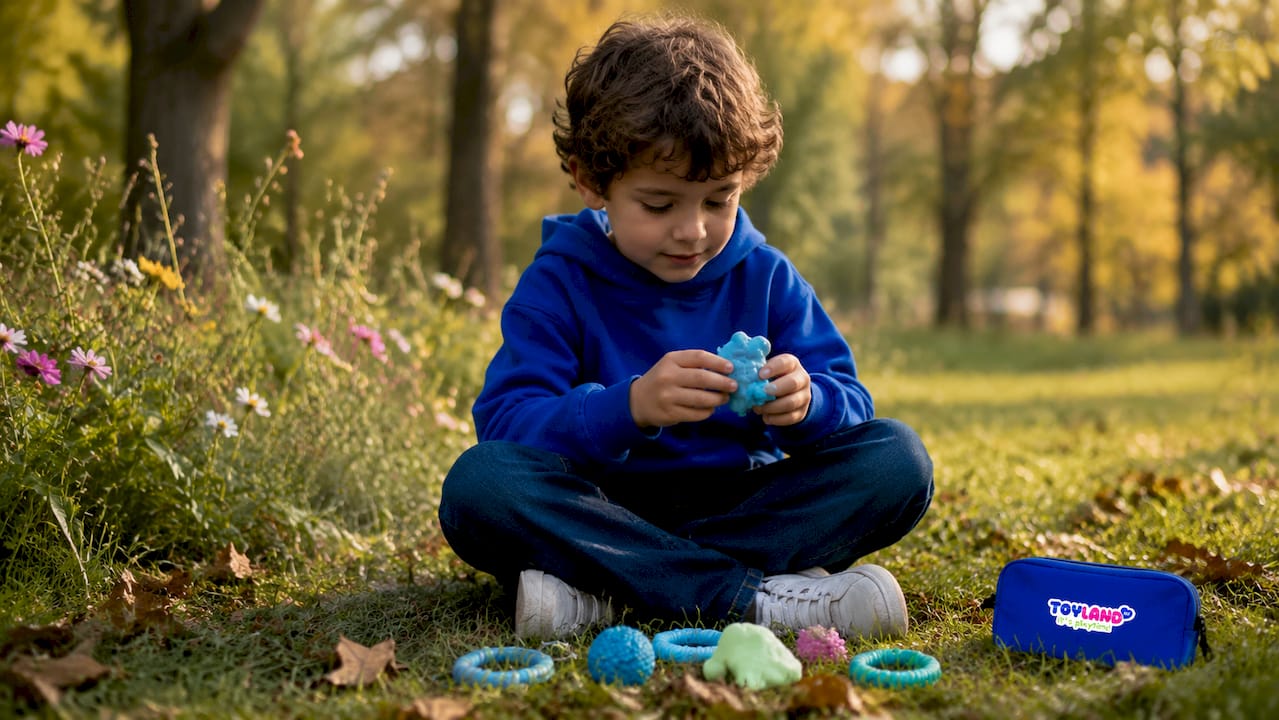
Tactile stimulation through squeezing, rubbing, or rolling helps release physical tension and calm the anxious brain. The repetitive motion activates the tactile system and grounds the person in the present moment. This is why a stress ball works better than a spinning top for most anxious kids or adults.
Pediatric occupational therapists (OTs) consistently recommend toys that offer sustained, deep input over toys that rely on visual or auditory effects. Spinning or clicking toys can actually increase arousal in dysregulated individuals rather than calm them. The goal is to soothe the nervous system, not stimulate it further.
Pro Tip: If a toy makes noise or lights up, test it carefully before using it as a calming tool. Visual and auditory features often work against anxiety relief.
1. Slow-rise squeeze toys with maltose filling
Slow-rise squeeze toys are among the most OT-recommended options for anxiety relief. The maltose filling creates a dense, satisfying resistance that returns slowly after compression. That slow return is the key feature. Slow-rise squeeze toys provide more sustained sensory feedback than foam alternatives, which means the nervous system gets a longer, more effective calming signal. These work well for both children and adults during high-stress moments.
2. Squishy animal-shaped fidgets
Squishy animal shapes appeal to younger children because the familiar form reduces resistance to using them. The tactile input is similar to maltose-filled toys, but the playful design makes them more acceptable in school settings. A child squeezing a small squishy cat during a test is getting real proprioceptive input without drawing attention. These are among the best anxiety toys for kids aged 4 and up.
3. Therapy and sensory putty
Therapy putty delivers some of the highest proprioceptive input of any sensory toy. It requires active squeezing, pulling, and rolling, which engages the muscles of the hand and forearm deeply. OTs use therapy putty in clinical settings for a reason. It is one of the few fidget tools for stress relief that can address acute anxiety, not just mild restlessness. The resistance level can be matched to the user’s strength and sensory needs.
4. Mochi stress balls
Mochi stress balls are soft, stretchy, and satisfying to squeeze repeatedly. They are small enough to fit in a pocket and quiet enough for classroom or office use. The texture provides consistent tactile feedback without any visual or auditory distraction. For adults managing workplace stress, a mochi ball kept in a desk drawer is a practical, discreet option.
5. Silicone fidget loops and rings
Silicone loops and rings are worn on the finger or wrist and provide constant, low-level tactile input throughout the day. They are silent, small, and socially invisible. Discreet wearable sensory tools like these offer tactile stimulation without drawing attention and can be used all day. This makes them ideal for meetings, classrooms, or any public setting where more obvious fidget tools would be inappropriate.
6. Magnetic fidget rings and tiles
Magnetic fidget sets use the pull and click of magnets to provide repetitive tactile engagement. The resistance of separating and reconnecting magnets delivers mild proprioceptive input. These are popular with adults and teens who need a discreet option at a desk. The motion is quiet and contained, which makes them suitable for professional environments.
7. Fidget jewelry and wearable sensory tools
Fidget jewelry includes acupressure rings, bead sliders, and spinner rings worn as normal accessories. They look like regular jewelry but provide ongoing tactile stimulation throughout the day. Acupressure rings and bead sliders are effective for subtle anxiety relief without drawing attention. For adults who need all-day support, wearable options are among the most practical calming gadgets available. You can find a range of wearable sensory options through sensory support resources designed for everyday use.
How to choose the right sensory toy for your setting
The environment where you use a fidget tool determines which type works best. Choosing based on setting is a practical strategy that improves effectiveness and avoids disruption.
- At school or work: Choose silent, small, and discreet options. Silicone loops, magnetic tiles, and fidget jewelry are ideal. They provide input without distracting others or drawing attention to the user.
- At home or in therapy: Higher-resistance tools like therapy putty or dense squeeze toys work well here. Acute stress relief benefits from deeper proprioceptive input, and there is no social pressure to stay discreet.
- For young children: Match the toy to the child’s sensory profile. A child who seeks deep pressure will benefit more from a firm squeeze toy than a soft squishy. An OT assessment can clarify individual needs.
- For classroom educators: Keep a small basket of silent options available. Mochi balls, silicone rings, and slow-rise squishies give students a calming outlet without disrupting the class. Research confirms that correctly selected fidget toys improve concentration by giving the brain the sensory input it needs to filter distractions.
Pro Tip: Let children test two or three options before committing to one. The toy they reach for instinctively is usually the one that matches their sensory profile best.
For parents of children with heightened sensory needs, the calming activities resource library from BANZ® Carewear USA offers practical guidance on sensory input and anxiety reduction.
Maintaining and maximizing the effectiveness of anxiety toys
Proper care keeps sensory toys working as intended. A worn-out toy loses its therapeutic value quickly.
- Replace therapy putty regularly. High-density maltose-filled putty requires ongoing care for optimal sensory input. Once it dries out or loses resistance, it no longer delivers the proprioceptive feedback that makes it effective.
- Clean silicone and rubber toys weekly. Soap and water remove oils and debris that change the texture and reduce tactile feedback.
- Watch for signs of overstimulation. If a child becomes more agitated after using a toy, that toy is likely providing the wrong type of input. Spinning or clicking toys are common culprits.
- Rotate toys to prevent habituation. The nervous system adapts to repeated input. Switching between two or three options keeps the sensory response fresh.
- Integrate toys into a routine. Using a stress relief toy at the same time each day, such as during homework or a commute, builds a reliable calming habit over time.
Choosing toys solely for novelty can worsen anxiety by causing distraction or overstimulation. Effectiveness comes from matching the input type to the person’s needs, not from picking the most interesting-looking option.
Key Takeaways
The most effective anxiety toys deliver sustained proprioceptive input, such as deep pressure and resistance, because this directly calms the nervous system rather than distracting it.
| Point | Details |
|---|---|
| Proprioceptive input is the priority | Choose squeeze toys, putty, or resistance-based tools over spinning or clicking options. |
| Match the toy to the setting | Use discreet, silent tools in public; reserve high-resistance options for home or therapy. |
| Maintenance matters | Replace or clean toys regularly to preserve the sensory feedback that makes them effective. |
| Personalization improves results | Let children and adults test options to find the input type that matches their sensory profile. |
| Fidget tools complement therapy | These toys support daily stress management but do not replace professional anxiety treatment. |
Why I think most people pick the wrong anxiety toy
I have spent years watching parents buy the flashiest fidget toy on the shelf, only to find their child more wound up than before. The instinct to grab something visually interesting is understandable. But a toy that spins, lights up, or clicks is designed to capture attention, not calm a nervous system.
The toys that consistently work are the boring-looking ones. A dense squeeze ball. A lump of therapy putty. A plain silicone ring. These deliver the deep, sustained input that the nervous system actually needs. Proper toy selection tailored to individual sensory profiles genuinely enhances emotional regulation and focus.
My honest advice: treat the first purchase as a test. Buy two or three different input types and observe which one the person reaches for when they are actually stressed, not just curious. That instinct is data. Follow it. And remember that fidget tools are complementary to professional support, not a substitute for it.
— Thane Holland
Toylandeu™ has sensory and creative toys worth exploring
Sensory play does not stop at fidget tools. Creative, hands-on activities provide the same tactile engagement that makes anxiety toys effective, and they are a natural extension of any calming routine.
Toylandeu™ carries a broad selection of sensory and creative kits that support calm, focused play for children of all ages. The 24-color clay modeling kit is a standout option, delivering the kind of deep tactile stimulation that occupational therapists recommend. Clay squeezing, rolling, and shaping engages the same proprioceptive pathways as dedicated fidget tools. Toylandeu™ ships worldwide with free delivery, making it easy to find the right sensory toy no matter where you are.
FAQ
What are anxiety toys?
Anxiety toys are sensory tools, also called fidget tools, that provide tactile or proprioceptive input to help calm the nervous system and reduce anxiety during stressful moments.
How do anxiety toys help with stress?
Repetitive tactile motion such as squeezing or rolling activates the tactile system, redirects nervous energy, and helps release physical tension, which lowers anxiety.
Are fidget toys good for kids in school?
Yes, when chosen correctly. Silent options like silicone rings or soft squeeze toys improve concentration by giving the brain the sensory input it needs to filter distractions without disrupting the classroom.
What is the best type of anxiety toy for adults?
Discreet options like fidget jewelry, silicone loops, or magnetic tiles work well in professional settings. For acute stress relief at home, therapy putty or dense squeeze toys deliver stronger proprioceptive input.
Can anxiety toys replace therapy?
No. Fidget tools are effective for everyday stress management but serve as complementary tools, not replacements for professional anxiety treatment.