

Sensory toys: Boosting development for 7 key challenges
- Sensory toys are carefully designed tools that promote sensory integration and emotional regulation.
- Matching toys to a child’s sensory profile enhances their effectiveness and safety.
- Observation and individualized approaches are key to successful sensory toy use at home.
Sensory toys are often mistaken for simple, colorful distractions. They are actually carefully designed tools that interact with a child’s nervous system in measurable ways. For children with sensory processing challenges, the right toy can mean the difference between a meltdown and a calm afternoon. Research increasingly backs what many occupational therapists have observed for years: structured sensory input supports emotional regulation, focus, and coordination. This guide walks you through what sensory toys are, how to choose them based on your child’s unique profile, what the evidence actually says, and how to use them effectively at home.
Table of Contents
- What are sensory toys and how do they work?
- Types of sensory toys: Matching child profiles
- Evidence and nuances: When do sensory toys help?
- Practical tips for integrating sensory toys at home
- Our take: Avoiding sensory toy hype and focusing on what works
- Explore sensory toys with ToylandEU
- Frequently asked questions
Key Takeaways
| Point | Details |
|---|---|
| Multi-sensory stimulation | Sensory toys engage several senses at once, supporting emotional regulation and attention for children with sensory challenges. |
| Individualized approach | Matching sensory toys to a child’s seeker or avoider profile is essential for effective support and avoiding overstimulation. |
| Evidence matters | Strong research backs deep pressure and caregiver-guided sensory play; universal use requires careful monitoring and expert advice. |
| Daily integration | Best results come from weaving sensory toys into daily routines and natural play, with parent observation and adaptation. |
| Avoid hype, seek results | Focus on evidence-based, progress-monitored use and occupation-based play over marketing promises or unproven quick fixes. |
What are sensory toys and how do they work?
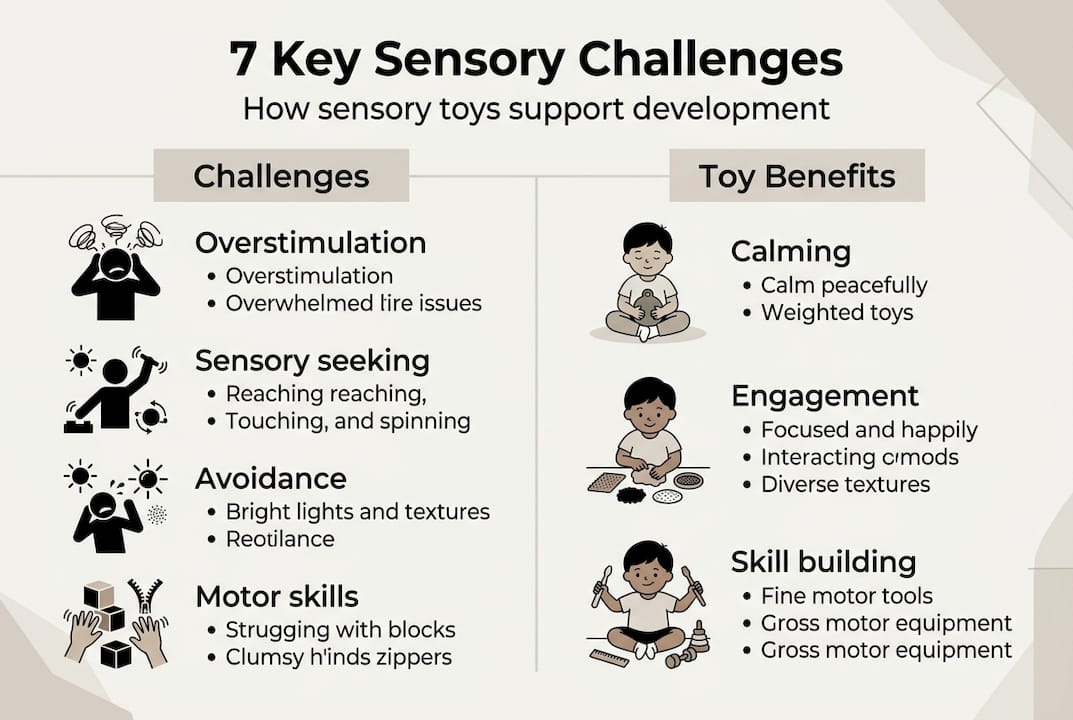
Sensory toys are not just toys that look interesting. They are specifically engineered to stimulate one or more of the body’s sensory systems in a purposeful way. Most people think of the five basic senses, but children also rely on two hidden senses: the vestibular system (balance and spatial orientation) and proprioception (body awareness through muscles and joints). Sensory toys stimulate multiple senses including these hidden ones, helping the brain organize incoming information more effectively.
This process is called sensory integration. When a child’s brain struggles to process and organize sensory input, everyday experiences like wearing a scratchy shirt or hearing a fire alarm can feel overwhelming. Sensory toys provide controlled, repeatable input that helps the brain practice organizing these signals. Over time, this builds tolerance, improves focus, and supports emotional regulation.
For a deeper look at how this applies to specific conditions, the best sensory toys for autism guide covers targeted product recommendations and strategies.
Sensory toys vs. standard toys: A quick comparison
| Feature | Standard toys | Sensory toys |
|---|---|---|
| Primary goal | Entertainment | Sensory input and regulation |
| Design focus | Visual appeal | Tactile, auditory, or movement feedback |
| Outcome | Fun and creativity | Calming, focus, coordination |
| Best for | All children | Children with sensory processing needs |
Empirical data supports deep pressure tactile input and caregiver training as among the most effective sensory-based interventions for children with disabilities. Multi-sensory approaches also show moderate evidence of benefit.
Key benefits of sensory toys include:
- Calming an overactive nervous system
- Supporting emotional self-regulation
- Improving attention and focus during tasks
- Reducing overstimulation in busy environments
- Building coordination and body awareness
- Encouraging engagement and communication
For more context on how sensory toys fit into broader play strategies, the NAPA Center guide offers a thorough breakdown of sensory toy categories and their functions.
Types of sensory toys: Matching child profiles
Understanding the mechanics of sensory toys sets the stage for choosing the right types based on your child’s unique needs. Not every sensory toy works for every child. The key is matching the toy to your child’s sensory profile.
Children generally fall into two categories: seekers and avoiders. Seekers crave intense sensory input and may spin, jump, or touch everything in sight. Avoiders are easily overwhelmed and may pull away from textures, sounds, or movement. Toys categorized by sensory input provide tailored stimulation for seekers versus avoiders, making this distinction critical when shopping.
Sensory toy categories and examples:
| Category | Example toy | Core function | Best profile |
|---|---|---|---|
| Tactile | Kinetic sand, textured balls | Touch and texture exploration | Seekers and gradual avoiders |
| Visual | Light-up spinners, lava lamps | Visual tracking and calming | Avoiders needing gentle input |
| Auditory | Rain sticks, sound puzzles | Sound discrimination and tolerance | Both, with volume control |
| Vestibular | Therapy swings, balance boards | Balance and spatial awareness | Seekers with movement needs |
| Proprioceptive | Yoga balls, weighted blankets | Deep pressure and body awareness | Both, especially anxious children |
| Oral | Chewable jewelry, vibrating teethers | Oral motor input and calming | Seekers with oral sensory needs |
For children who are still very young, sensory toys for toddlers covers age-appropriate options that are safe and stimulating.
How to identify your child’s sensory profile:
- Does your child seek out spinning, jumping, or crashing into things? They may be a vestibular or proprioceptive seeker.
- Do they avoid certain textures in food or clothing? They may be a tactile avoider.
- Are they easily startled by sounds or cover their ears frequently? They may be an auditory avoider.
- Do they chew on clothing, pencils, or non-food items? They likely have oral sensory seeking needs.
For children who need help winding down, calming sensory toys for autism provides targeted recommendations. And if chewing is a concern, sensory chew toys explains safe options that actually work.
For sensory processing challenges, toys help seekers get intense input and desensitize avoiders gradually through repeated, low-pressure exposure.
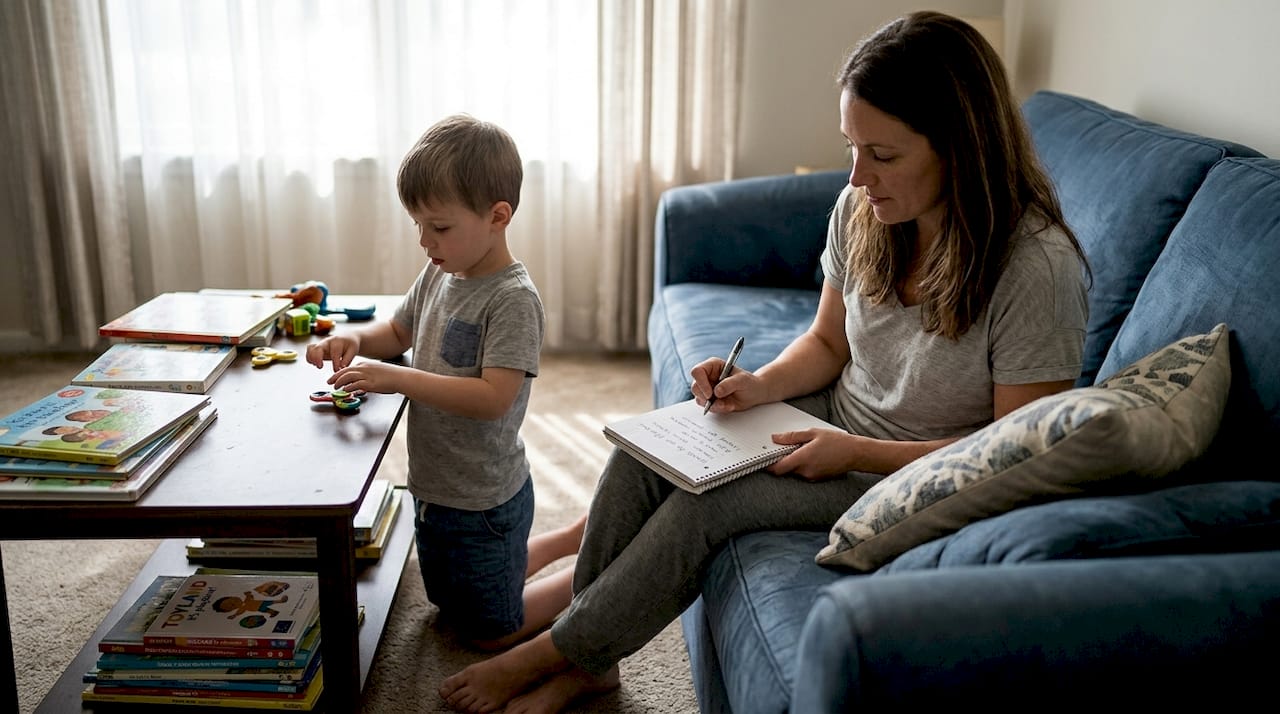
Pro Tip: Start with just two or three toys matched to your child’s dominant sensory profile. Watch how they respond over a week before adding more. Overloading with options can be just as counterproductive as having none.
Evidence and nuances: When do sensory toys help?
Having categorized sensory toys and matched them to child profiles, it’s vital to understand what actually works and what parents need to watch out for. The research picture is more nuanced than toy marketing suggests.
Strong evidence exists for deep pressure tactile input and caregiver training, moderate evidence for multi-sensory environments, and mixed results for broader sensory-based interventions. This means that not every sensory toy will produce the same results for every child.
“Sensory toys must be individualized. One size does not fit all.” This principle, reflected in AOTA guidelines, is the single most important thing parents can take away from the research.
Mixed evidence overall points to individualization and progress monitoring as the two factors most strongly associated with positive outcomes.
Dos and don’ts for safe, effective sensory toy use:
- Do match the toy to your child’s specific sensory profile, not a general diagnosis.
- Do introduce new toys gradually, especially for avoiders.
- Do track your child’s responses over time with simple notes or a journal.
- Do combine sensory toys with occupation-based activities like cooking, drawing, or building.
- Don’t use sensory toys as a substitute for professional occupational therapy when it’s needed.
- Don’t assume a toy that works for one child will work for another, even with the same diagnosis.
- Don’t ignore signs of overstimulation: withdrawal, crying, covering ears, or shutting down.
For parents of younger children, effective sensory toys for toddlers addresses age-specific considerations. You might also find value in toy rotation with sensory toys as a strategy for keeping engagement fresh without overwhelming your child.
Pro Tip: Keep a simple log for two weeks after introducing a new sensory toy. Note mood, focus, and behavior before and after use. Patterns become obvious quickly, and this data is invaluable when consulting with an occupational therapist.
Practical tips for integrating sensory toys at home
With the nuances of efficacy and individualization covered, here’s how you can apply sensory toys practically in your child’s daily routines. The goal is not a separate “sensory time” but natural integration throughout the day.
Best outcomes occur when toys are matched to needs, integrated naturally into routines, and accompanied by caregiver involvement and training. This is a key finding that separates effective use from ineffective use.
Step-by-step guide for integrating sensory toys at home:
- Start with one routine. Choose a transition time that is typically hard, like morning prep or post-school wind-down, and introduce one sensory toy there.
- Observe without intervening. Let your child explore the toy freely for the first few sessions. Forced interaction reduces effectiveness.
- Note what engages and what overwhelms. Look for signs of calm focus versus signs of agitation or avoidance.
- Gradually expand. Once a toy is well-received, introduce it in other parts of the day or pair it with a learning task.
- Rotate toys periodically. Children habituate to sensory input. Rotating toys every few weeks keeps the nervous system engaged.
- Involve your child in choosing. Even young children can signal preference. Giving them some control reduces resistance.
Observing reactions, starting simple, and consulting an OT are the three most recommended steps for parents new to sensory toys.
For parents interested in reducing screen time while supporting sensory development, screen-minimized STEM play offers a practical roadmap. You can also explore eco-friendly sensory toys that combine sensory input with early learning.
Pro Tip: Occupation-based activities, meaning tasks tied to real daily life like setting the table or sorting laundry, provide natural proprioceptive and tactile input. Pairing these with sensory toys creates layered, meaningful sensory experiences that have longer-lasting effects than isolated toy play.
Know when to bring in a professional. If your child shows persistent distress, regression, or extreme sensory reactions that interfere with daily life, an occupational therapist can conduct a formal sensory profile assessment and build a personalized sensory diet.
Our take: Avoiding sensory toy hype and focusing on what works
The sensory toy market has exploded in recent years, and with that growth has come a flood of products making bold claims with little clinical backing. As a brand that works with parents navigating this space, we see the frustration firsthand. Parents spend money on products marketed as “therapeutic” that turn out to be standard toys with a wellness label slapped on.
The honest truth is that sensory-based interventions are valuable adjuncts but not standalone solutions. Clinical reasoning, multi-system targeting, and caregiver involvement matter far more than any single product.
What we recommend is a skeptical, observation-first approach. Buy less. Watch more. Track outcomes. The parents who see the best results are not the ones with the most toys. They are the ones who understand their child’s specific sensory profile and use a small, well-chosen set of tools consistently. Explore calming sensory toys with that mindset, and you will spend less and get more.
Marketing will always outpace evidence. Your direct observation of your child will not.
Explore sensory toys with ToylandEU
Now that you understand what makes a sensory toy genuinely useful, you can shop with confidence rather than guesswork. ToylandEU offers a broad catalog of toys that support sensory engagement, motor development, and focused play, with free worldwide shipping on every order.
For children who respond well to movement and proprioceptive input, the gesture sensing stunt car combines hand movement control with visual feedback, making it a naturally engaging option. For older children ready for structured sensory-STEM play, the STEM robotics car kit builds focus and fine motor skills through hands-on programming. Browse the full range and find the right fit for your child’s sensory profile today.
Frequently asked questions
How do sensory toys help children with autism or sensory processing disorder?
Sensory toys organize sensory input, regulate emotions, and improve focus, making them effective tools for children with autism and sensory processing disorder (SPD) who struggle with unpredictable sensory environments.
What are some signs that a child needs sensory toys?
Signs include seeking intense sensations like jumping or spinning, avoiding textures or loud sounds, or having difficulty calming down. Help seekers get intense input while gradually desensitizing avoiders through low-pressure exposure.
Are sensory toys safe for all children?
Sensory toys are generally safe when matched to a child’s profile and monitored during use. Overstimulation is possible if mismatched, so individualization and adult supervision are essential, especially when introducing new toys.
What is the difference between sensory toys and regular toys?
Sensory toys are specifically designed to stimulate one or more sensory systems to support regulation and development. Sensory toys stimulate senses in targeted ways, while regular toys prioritize entertainment without a therapeutic design intent.
How many sensory toys should I start with?
Start simple with two or three toys matched to your child’s sensory profile, observe their reactions over one to two weeks, and adjust based on what you see before expanding the collection.