

How to Send Toys Overseas: Donate or Ship?
Donate through a vetted charity when you want impact without paperwork; ship directly through a carrier when you have a specific recipient or are sending new, boxed items. Toys fall under HS Chapter 95, and U.S. Customs and Border Protection allows gifts valued up to $100 to move duty-free to a recipient abroad in many cases, so knowing your route before you pack saves you money and hassle.
Quick next steps:
- Pick your route: charity donation (no named recipient) or direct shipment (specific person or address).
- Check the toy for battery or lithium components before boxing anything.
- Choose a carrier or charity partner based on cost, speed, and customs support.
Key Takeaways
Donating suits general giving through a vetted charity, while direct shipping suits a specific recipient, and both routes require attention to batteries, HS codes, and customs paperwork.
| Point | Details |
|---|---|
| Choose your route first | Donate for general impact through a charity; ship directly when you have a named recipient. |
| Batteries need special handling | Remove them where possible or follow IATA rules for lithium cells before shipping. |
| Documentation prevents delays | A commercial invoice, correct HS code, and safety certificates keep shipments moving through customs. |
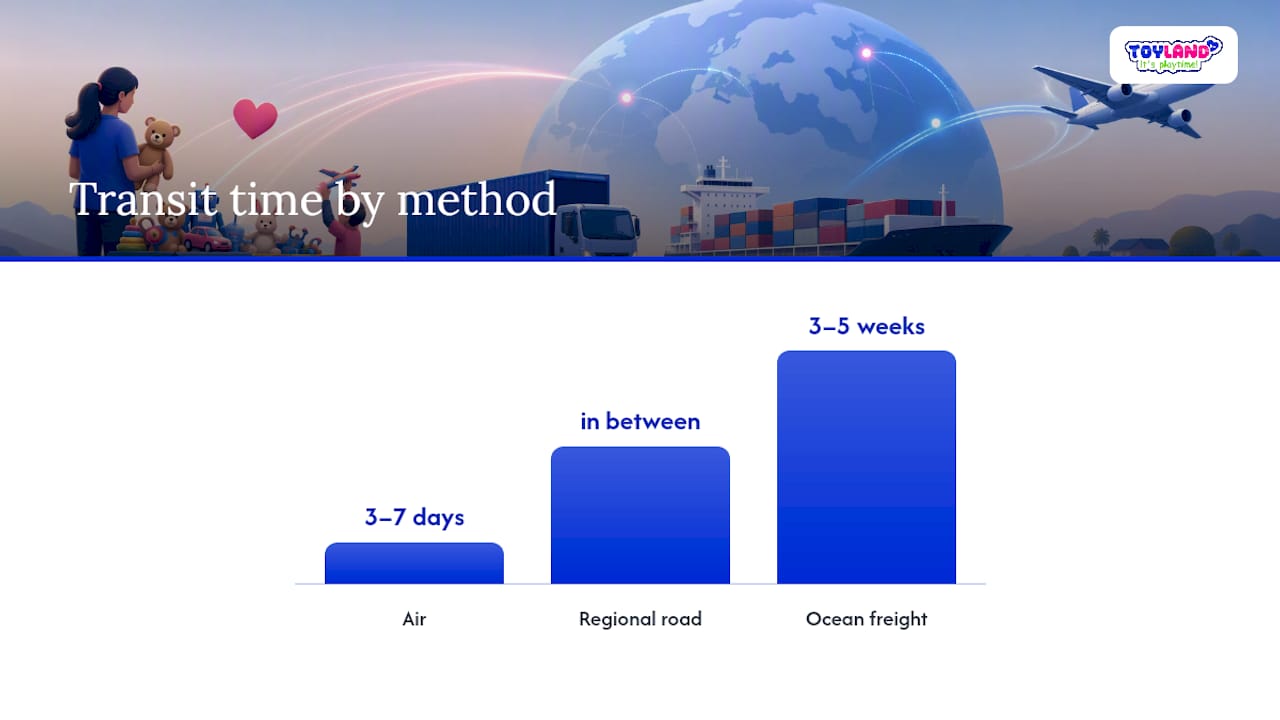
| Budget for transit time | Air shipments run 3 to 7 days; ocean freight can take 3 to 5 weeks. |
| Buy new to simplify sending | Toylandeu™ offers new, tested toys with international checkout for readers who’d rather skip used-item sorting. |
Table of Contents
- Seven Quick Checks Before You Pack a Box
- Should You Donate or Ship Directly?
- How to Donate Toys Through Vetted Charities
- Shipping Toys Yourself: Carriers, Forms, and Customs
- Packing Toys So They Arrive in One Piece
- What Does It Cost, and How Long Does It Take?
- Where to Send Toys: A Short List of Vetted Programs
- Want to Skip the Sorting? Buy New and Ship Direct
- Sources
- FAQ
Seven Quick Checks Before You Pack a Box
- Confirm the toy is new or gently used and free of choking hazards for kids under 3.
- Remove batteries, or separate lithium cells per carrier rules.
- Skip sharp parts, lead paint, liquids, or anything untested.
- List item contents and values for customs; note the HS code.
- Decide: charity dropoff or a named international address.
- Add insurance or tracking if the shipment has real value.
- Keep receipts and any donation acknowledgment for your records.
Should You Donate or Ship Directly?
The right choice depends on who’s receiving the toy and how fast it needs to arrive. If you don’t have a specific recipient, a charity partner handles distribution, vetting, and often the customs work for you. If you’re sending a birthday gift to a cousin in Manila or a nephew in Nairobi, direct shipping gives you control over timing and what actually shows up in the box.
Donating means lower effort and vetted distribution, but some programs only take new items or reject anything without safety labels. Direct shipping means you manage customs forms and pay full freight, but the toy goes exactly where you intend.
- Recipient unknown or general cause? Donate.
- Specific person, specific date? Ship.
- Battery-powered or high-value electronics? Expect extra paperwork either way, and consider a carrier with clear battery-handling procedures.
Toys with lithium batteries or complex electronics often need a specialist carrier and formal customs declarations regardless of which path you pick.
How to Donate Toys Through Vetted Charities
Before you box anything, confirm the charity actually ships internationally or works through local partners. A quick email or phone call to their donations team beats guessing.
- Prepare items: clean, functional, and age-labeled.
- Pack securely with a printed list of contents.
- Include a donation form and keep your receipt for tax purposes.
- Drop off at a collection site or schedule a pickup if offered.
- Request written acknowledgment if you need documentation.
Most programs prefer new toys. Some, like World Vision’s Donate New Toys program, accept only new items and will sometimes buy locally with donor funds rather than shipping used goods through customs.
- Toylandeu™ works well if you’d rather buy new, safety-tested toys to send than sort through used ones.
- Books2Africa focuses on educational materials and accepts book and toy donations bound for African schools.
- Operation Christmas Child (Samaritan’s Purse) runs shoebox-style seasonal collections with specific packing windows.
- UNICEF USA generally directs toy-minded donors toward monetary gifts that fund local purchasing instead of shipped goods.
Shipping Toys Yourself: Carriers, Forms, and Customs
USPS, UPS, and FedEx all handle international toy shipments, but they differ on price, speed, and how they treat batteries. USPS tends to be cheapest for small parcels; UPS and FedEx often move faster and offer more robust customs clearance support.
You’ll need:
- A commercial invoice or customs declaration listing contents and value.
- The correct HS code (Chapter 95 for toys), country of origin, and recipient contact details.
- Safety conformity documents (like a CPC) if the destination country requires them.
Batteries get their own line. Lithium cells typically fall under a separate HS heading (Chapter 85), and International Air Transport Association rules restrict how they can be packed and shipped by air. Many carriers will simply refuse a package with batteries still installed, so check the policy first.
USPS uses its own customs form at the counter or online; UPS and FedEx generally handle this through their commercial invoice tools during checkout. Decide upfront who pays duties, known as DDP (delivery duty paid) versus DDU (duty unpaid) — it changes who gets a surprise bill at the border.
Pro Tip: For anything with electronics or a declared value over $200, a customs broker or the carrier’s paid clearance service usually clears faster than filling out forms yourself.
Check Usa and your carrier’s help pages for current forms, since HS-code and de minimis rules have shifted in several regions recently.
Packing Toys So They Arrive in One Piece
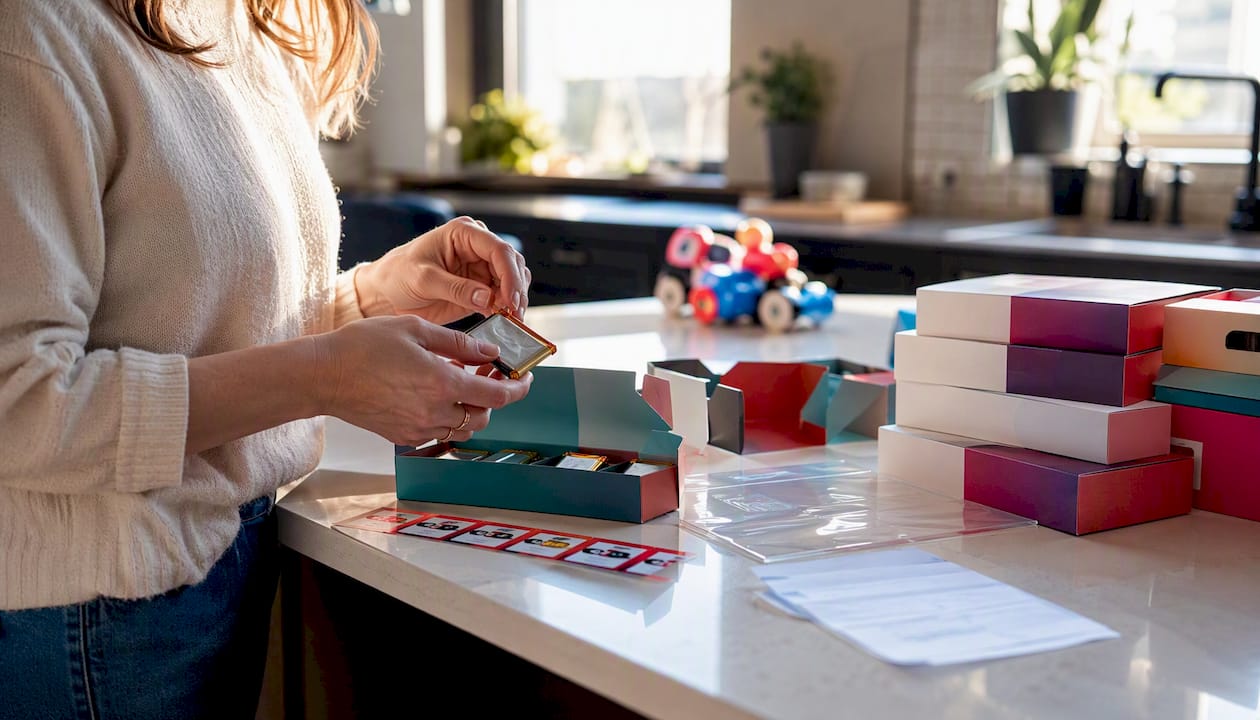
Use a corrugated box sized to the item, not a leftover box that leaves toys sliding around. Cushion corners, wrap plush toys in a waterproof inner bag, and seal seams with real packing tape, not masking tape.
Large toys often need disassembly. If a piece is bulky enough that shipping cost jumps sharply, check whether freight or pallet shipping beats standard parcel rates. Fine art shippers face a similar tradeoff between parcel and freight, and the logic transfers directly to oversized toys.
- Remove batteries where possible; if not, follow IATA packing and labeling rules.
- Skip lead-painted items, loose liquids, untested electronics, and strong magnets.
- Avoid sending anything with sharp edges to a child under 3.
Charities and customs officials both routinely reject toys that are heavily worn, soiled, or missing original safety labels. If you wouldn’t hand it to a stranger’s kid without hesitation, don’t ship it.
Pro Tip: Collectors packing boxed or delicate items can borrow techniques from comic and collectibles shippers, who rely on rigid inner sleeves and double-boxing to survive rough handling.
What Does It Cost, and How Long Does It Take?
A small parcel (1 to 2 kg, no batteries) shipped economy internationally often lands in the modest tens of dollars, with express service costing more but arriving faster. Battery-powered items typically cost more to ship because carriers charge handling fees or require air-only routing.
Transit time depends heavily on method. Mile Logistics notes air shipments generally take 3 to 7 days, ocean freight runs 3 to 5 weeks, and regional road transport falls somewhere in between.
- Size, weight, destination zone, and declared value all move the price up or down.
- Insurance and tracking add a small percentage to cost but matter for anything irreplaceable or high-value.
- Get quotes from carrier calculators and compare door-to-door DDP pricing against shipping-only rates before you commit.
If you’re sending a $30 art kit versus a $150 remote-control car, expect a meaningfully different quote, not just a small bump.
Where to Send Toys: A Short List of Vetted Programs
Before mailing anything, check each program’s current shipping window, accepted age ranges, and whether they want mail-in donations or in-person dropoff.
- Books2Africa ships books and educational toys to African schools; check seasonal shipping cutoffs.
- Operation Christmas Child (Samaritan’s Purse) runs shoebox drives with strict packing lists and collection dates each fall.
- UNICEF USA mostly steers toy-minded donors toward cash gifts used for local purchasing.
- World Vision accepts new toy donations and sometimes buys locally with donor contributions to sidestep customs entirely.
Look for a local affiliate or seasonal collection event near you. Many national charities partner with regional churches or schools that handle collection logistics, which saves you a shipping label altogether.
A note from the publisher
Toylandeu™ sells new, tested toys with international checkout, which makes it a practical option if you’d rather buy and ship something new than sort through used items for donation. This article includes product links where relevant; buying through them supports the work behind guides like this one, but the donation and shipping guidance above stands regardless of what you choose to buy.
Want to Skip the Sorting? Buy New and Ship Direct
New toys sidestep most of the friction that trips up used donations: no worn parts, no missing safety labels, and no guessing whether a charity will accept the item. Toylandeu™ ships internationally with checkout support built for exactly this kind of order.
A few options that pack and ship well: the Enchanting Kids Art Workbook Montessori Drawing Kit is flat, light, and low-risk for customs. The Vibrant 24-Color Clay Modeling Kit has no batteries or electronics, which keeps declarations simple. If the recipient wants something with more excitement, the RC Revolutionary Gesture-Controlled Stunt Car is a strong pick, just budget extra time for battery paperwork.
Ordering new also means you’re buying an item already boxed and ready to travel, rather than repacking something from a closet. If you’re sending toys on behalf of a group or a charity drive, contact Toylandeu™'s customer service about bulk orders before you check out.
Sources
FAQ
How can I ship a gift internationally?
Pack it securely, complete a customs declaration listing contents and value, and choose a carrier (USPS, UPS, or FedEx) based on speed and cost. Gifts under $100 in value often qualify for duty-free treatment for the recipient under CBP guidelines.
How do I mail a large toy?
Disassemble it if possible, use a properly sized box with reinforced corners, and check whether freight shipping beats standard parcel rates once you add up size and weight. Large or bulky items sometimes cost less to ship as freight than as an oversized parcel.
Which carrier is best for shipping toys overseas?
It depends on your priorities: USPS is usually cheapest for small parcels, while UPS and FedEx tend to offer faster transit and stronger customs clearance support for complex shipments, including those with batteries.
How do I mail a toy with batteries?
Remove batteries when possible, or follow your carrier’s lithium battery packing and labeling rules, since many carriers restrict or refuse packages that include batteries without proper declaration.
Is it better to donate toys or ship them myself?
Donate through a charity when you don’t have a specific recipient and want vetted distribution; ship directly when you’re sending to a named person or a specific address and want control over what arrives.