

Plush toys explained: Safety, benefits, and collector appeal
- Plush toys are diverse, including stuffed animals, character plush, and interactive varieties.
- They provide emotional comfort and developmental benefits for children and serve as collectibles for adults.
- Safety standards and thoughtful selection are essential for ensuring safe, meaningful, and durable plush toys.
Plush toys sit quietly on shelves and in children’s arms, yet they power a market that surprises most people. What started as simple stuffed animals has grown into a global industry blending emotional comfort, child development, therapeutic value, and serious collector culture. Whether you’re a parent picking a first gift or a hobbyist eyeing a limited-edition drop, understanding what makes plush toys tick helps you choose smarter. This article covers definitions, safety standards, developmental benefits, and what drives the adult collector market, so you can shop with confidence and genuine insight.
Table of Contents
- What defines a plush toy
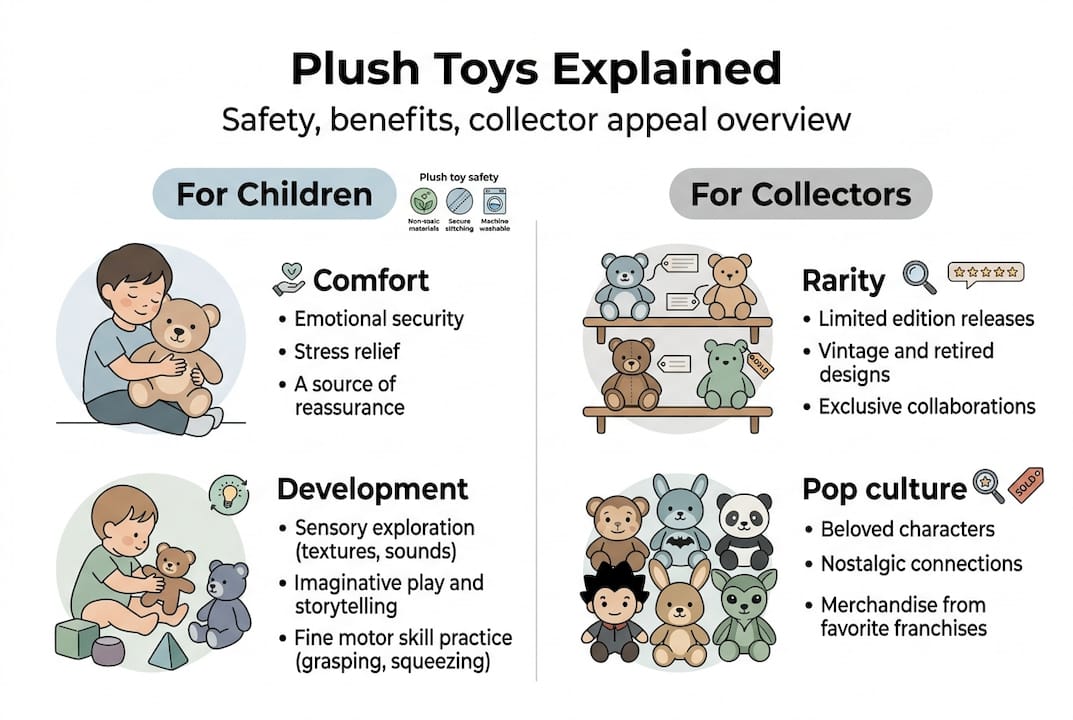
- Why plush toys matter: Benefits for children
- Plush toys for collectors and enthusiasts
- How to select safe and meaningful plush toys
- Beyond the basics: What most guides miss about plush toys
- Discover quality plush toys and creative gifts
- Frequently asked questions
Key Takeaways
| Point | Details |
|---|---|
| Safety first | Always check for compliance with safety standards and age-appropriate features before buying plush toys. |
| Emotional and educational value | Plush toys offer comfort, promote learning, and support childhood development in unique ways. |
| Collector appeal | Collectors appreciate rare, customized, and licensed plush toys, with adult buyers now fueling market growth. |
| Practical selection | Choose plush toys based on individual needs, including allergy concerns, sensory input, and ease of cleaning. |
What defines a plush toy
A plush toy is a soft toy made from fabric, most commonly polyester fleece, cotton velour, or minky fabric, stuffed with materials like polyester fiberfill or cotton batting to give it shape and a huggable feel. The word “plush” itself refers to the fabric’s cut pile surface, which creates that signature soft texture. Most people think of stuffed animals, but the category is much wider than that.
Modern plush toys include:
- Stuffed animals (bears, bunnies, dogs, exotic creatures)
- Character plush based on movies, video games, and anime
- Plush pillows and cushions designed for both comfort and decor
- Interactive plush with sound chips, motion sensors, or light-up features
- Collectible miniatures sold in blind bags or limited series
The history of plush toys traces back to the late 1800s, when the Steiff company in Germany began producing stuffed felt animals. The American teddy bear followed in the early 1900s, inspired by a famous cartoon of President Theodore Roosevelt. From those origins, manufacturing shifted from handmade felt to mass-produced synthetic fabrics, and the toy became a global staple.
Today, plush toys are graded by age and regulated for safety. Safety standards for children’s plush toys include ASTM F963 in the US, EN71 in the EU, and CPSC regulations, all requiring no small detachable parts, non-toxic materials, secure seams, and flammability resistance. Age grading is essential because a toy safe for a five-year-old may pose a choking risk for an infant.
Here’s a quick look at how common plush toy types compare:
| Type | Primary use | Age range | Key feature |
|---|---|---|---|
| Classic stuffed animal | Comfort, play | 0+ (age-graded) | Soft, washable |
| Character plush | Fandom, gifting | 3+ | Licensed design |
| Interactive plush | Learning, play | 3+ | Sound or motion |
| Collectible plush | Display, collecting | 15+ | Rarity, limited run |
| Plush pillow | Decor, comfort | All ages | Dual function |
Knowing how to care for these toys matters too. Proper cleaning plush dolls techniques keep them hygienic and extend their life significantly. With the basics established, let’s explore why plush toys continue to capture hearts of children and adults alike.
Why plush toys matter: Benefits for children
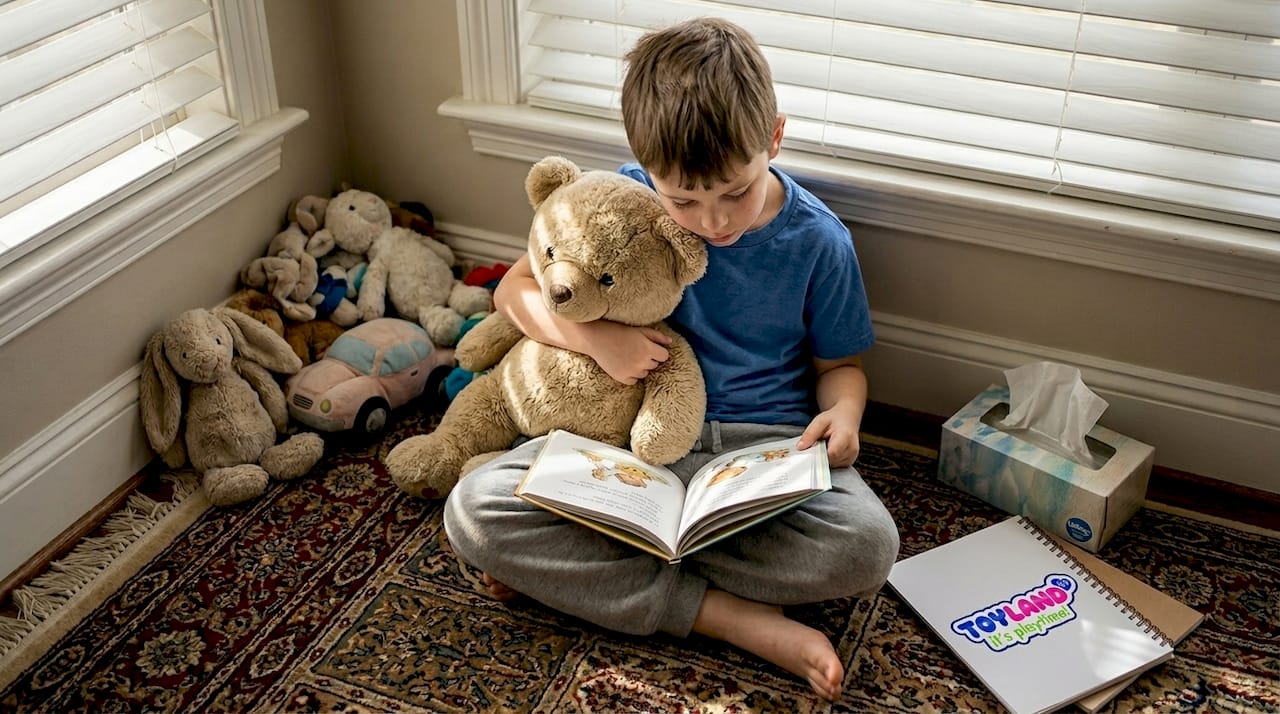
Plush toys are not just cute objects. Research and child development professionals consistently point to their role in emotional regulation, social learning, and even anxiety management. A child’s attachment to a stuffed animal is a recognized psychological phenomenon called a “transitional object,” a term introduced by pediatrician and psychoanalyst Donald Winnicott. These objects help children feel secure when separated from caregivers.
Here are the core benefits, ranked by developmental stage:
- Emotional comfort during transitions like starting school, moving homes, or bedtime
- Imaginative play that builds creativity and narrative thinking
- Empathy development through role-playing caretaker scenarios with plush characters
- Language skills as children narrate stories and conversations with their toys
- Sensory exploration for younger children discovering textures and shapes
For children with anxiety or sensory processing differences, plush toys offer a grounding tool. Weighted plush options are now available specifically for sensory needs, providing gentle pressure that many children find calming. Children with allergies need extra attention here. Age-appropriate safety guidelines recommend choosing washable, hypoallergenic plush toys with no small loose parts, particularly for children under three.
Pro Tip: If your child has dust mite allergies, look for plush toys labeled “hypoallergenic fill” and machine-wash them monthly on a hot cycle to reduce allergen buildup.
Safety is non-negotiable. Always check for toy safety standards certifications on packaging before buying. A toy without clear age grading and safety markings is a red flag, regardless of how appealing it looks. The right plush toy balances softness, durability, and appropriate sizing. A toy too large can be a suffocation risk for infants; one too small risks becoming a choking hazard.
For parents choosing plush toys for children with sensory needs, look for options with minimal embellishments, consistent texture throughout, and no rattling internal parts. These small details make a meaningful difference in daily use. While plush toys nurture children’s growth and well-being, their appeal doesn’t end with childhood.
Plush toys for collectors and enthusiasts
The collector market for plush toys has exploded in recent years, driven by a trend that market analysts now call “kidult” buying, where adults purchase toys for nostalgia, fandom, or investment. This is not a niche quirk. The plush toys market was valued at approximately USD 15 billion in 2024 and is projected to reach USD 21 billion by 2034, growing at a CAGR of 3.4%.
“The adult collector segment is one of the fastest-growing drivers in the global plush toy market, with licensed pop culture characters and limited-edition drops generating demand that rivals traditional children’s toy sales.”
What do collectors actually look for? The priorities differ sharply from what parents seek:
- Rarity: Limited production runs or exclusive retailer drops command premium prices
- Licensing: Characters from major franchises like Studio Ghibli, Pokémon, or Disney carry strong resale value
- Condition: Mint-in-box or tag-intact pieces are worth significantly more
- Customization: Brands like Build-A-Bear built entire business models around personalized plush
- Utility crossover: Plush that doubles as home decor or wearable accessories (like plush-themed pajamas) appeals to lifestyle collectors
Here’s how the children’s market and collector market compare side by side:
| Factor | Children’s market | Collector market |
|---|---|---|
| Primary driver | Comfort, play | Nostalgia, fandom |
| Safety priority | Critical | Moderate |
| Price sensitivity | High | Low to moderate |
| Purchase trigger | Gifting, need | Limited drops, licensing |
| Resale value | Low | Can be significant |
Pop culture licensing is the engine behind collector demand. A single movie release or anime season can trigger massive spikes in plush sales for specific characters. Blind box formats, where buyers don’t know exactly which character they’ll receive, add a gamification element that keeps collectors engaged and spending. With plush toys playing multiple roles as comforters, learning tools, and collectibles, choosing the right one is key.
How to select safe and meaningful plush toys
Choosing a plush toy sounds simple, but a thoughtful selection makes a real difference in both safety and long-term enjoyment. Start with safety, then layer in developmental or personal value.
Safety checklist before buying:
- Check the age rating label. It exists for a reason.
- Inspect seams. Tug gently on eyes, buttons, and decorative parts. If they move, they’re a hazard.
- Look for ASTM F963 or EN71 certification on the tag, confirming the toy meets non-toxic and structural safety standards.
- Verify the fill material is hypoallergenic if the child has sensitivities.
- Choose machine-washable options for children’s everyday use.
- Avoid toys with long strings, ribbons, or cords for children under three.
For children with sensory processing needs, texture consistency matters more than appearance. A plush toy with varied textures, scratchy embroidery, or crinkle sections may overwhelm a sensitive child. Opt for uniform, smooth fabrics and minimal decoration.
Pro Tip: For gifting, consider the child’s current developmental stage rather than their age alone. A two-year-old who is verbal and imaginative may benefit more from a character plush they can narrate stories with than a basic stuffed animal.
Organic and hypoallergenic plush toys are worth the extra cost for infants and toddlers. Organic cotton fill and GOTS-certified fabric reduce exposure to pesticide residues and synthetic dyes. For older children and adults, standard polyester plush is safe and durable. Always review the latest toy safety regulations to stay current with evolving standards.
Balancing fun, education, and emotional value is easier when you think about the child’s world. A plush toy shaped like a favorite book character reinforces literacy. An animal plush paired with a nature book builds curiosity. The toy doesn’t have to do everything on its own. Now that you know how to select plush toys wisely, here’s what most guides miss about their lasting value and evolving role.
Beyond the basics: What most guides miss about plush toys
Most buying guides treat plush toys as a simple category. Pick something soft, check the safety label, done. But that misses something important happening right now in how people relate to these objects.
Therapists are increasingly recommending plush toys to adults managing anxiety, grief, and sensory disorders. This is not sentimentality. It reflects real clinical practice, where tactile comfort objects help regulate the nervous system. The same mechanism that soothes a toddler at bedtime works for adults in high-stress situations.
The collector community adds another layer. Adults who collect plush toys are not simply chasing nostalgia. Many build genuine communities around shared fandoms, trade knowledge about rare releases, and find social connection through a shared passion. The plush toy becomes a conversation starter, a community token, and a personal statement.
What this tells us at ToylandEU is that plush toys deserve more respect as a category. They are not throwaway gifts. The right one can anchor a child’s emotional development for years, or become the centerpiece of an adult’s curated collection. The emotional investment people make in these objects is real, lasting, and worth honoring when you choose one.
Discover quality plush toys and creative gifts
Finding the right plush toy is easier when you have a trusted source with genuine variety and verified safety standards.
At ToylandEU, we carry plush toys suited for every age and occasion, from the beloved 20cm Stitch plush toy that kids and collectors both adore, to the endlessly entertaining dancing plush chicken toy that brings interactive fun to younger children. Every product in our collection is selected with safety, quality, and genuine play value in mind. With free worldwide shipping and over 30,000 items available, you can explore our full creative toy collection and find something meaningful for any child or enthusiast on your list.
Frequently asked questions
What safety standards do plush toys need to meet?
Plush toys must adhere to ASTM F963 and EN71 standards, ensuring secure seams, non-toxic materials, and age-appropriate design that eliminates choking hazards.
How do plush toys help children’s development?
Plush toys provide comfort, support emotional growth, and encourage imaginative play. Research confirms they also aid social skill learning and help children manage transitions and anxiety.
What makes plush toys popular among adult collectors?
Collectors value rarity, pop culture licensing, and customization options. The global market growth to USD 21 billion by 2034 reflects strong demand from the “kidult” segment and limited-edition releases.
How can I clean plush toys safely?
Most plush toys can be machine-washed on a gentle cycle with mild detergent; always check the care label first and avoid bleach or high-heat drying to preserve fabric and fill integrity.
Recommended
- How to clean plush dolls: safe methods for parents – ToylandEU
- Children’s Toys Safety in 2025: Boosting Parental Confidence – ToylandEU
- How 2025 Toy Safety Tech Boosts Parental Confidence – ToylandEU
- 2026 Toy Safety Regulations Boost Parental Confidence & Child Well-Being – ToylandEU
- Scellé TCG : Maximiser sa valeur en collection - JM Cards