

Why international toy shopping expands play and learning
- International toys offer diverse, educational, and cultural learning opportunities unavailable locally.
- Many non-certified international toys pose safety risks, requiring careful verification of safety standards.
- Shopping from curated platforms and checking certifications ensures safe, meaningful international toy purchases.
Most parents assume international toy shopping is about saving money. It’s not. The real draw is access to toys that teach, represent diverse cultures, and spark curiosity in ways local shelves simply can’t match. Educational value and cultural representation are the top priorities for parents choosing toys today, and international platforms make it possible to source items that domestic stores rarely carry. But there’s a catch: not every international seller plays by the same safety rules. This guide walks you through the genuine benefits, the real risks, and the practical steps to shop smart for your child.
Table of Contents
- Why families seek international toys for their children
- Safety risks and regulations: Pitfalls of international toy shopping
- Comparing global and local toy shopping experiences
- Smart strategies: How to shop international toys safely and successfully
- Our take: What most parents overlook about international toy shopping
- Bring joy and safety home: Discover our curated international toy highlights
- Frequently asked questions
Key Takeaways
| Point | Details |
|---|---|
| Diversity enriches play | International toys introduce new cultures and educational experiences for children. |
| Safety certifications are vital | Always check for marks like ASTM F963 or EN71 before purchasing international toys. |
| Compare before buying | Weigh the benefits of variety and cost against potential risks and buyer protections. |
| Vet your sources | Buy only from official, curated, or certified sellers to ensure toy quality and safety. |
Why families seek international toys for their children
Walk into any major toy store and you’ll notice a familiar pattern: the same licensed characters, the same color palettes, the same play concepts repeated shelf after shelf. International toy shopping breaks that cycle entirely.
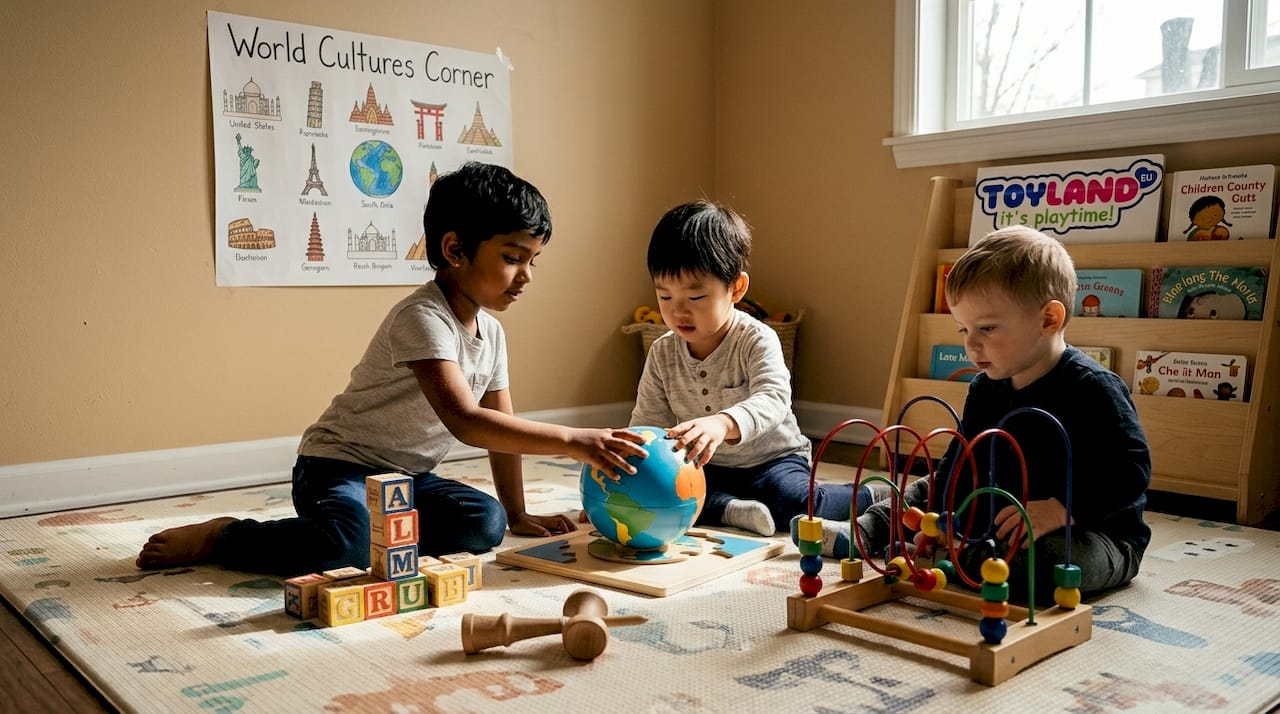
When parents look beyond their borders, they gain access to a much wider world of play. Studies confirm that educational value and cultural representation in toys directly enhance cognitive and social development in children. That’s not a minor benefit. It means a child playing with a toy from a different cultural tradition is building empathy, flexibility, and creative thinking at the same time.
Here are the key reasons families are turning to global platforms:
- Educational depth: International markets often lead in STEAM (science, technology, engineering, art, and math) toys and Montessori-aligned play materials that haven’t yet reached local stores.
- Cultural representation: Children benefit enormously from seeing their own backgrounds reflected in toys, and from learning about others through play.
- Specialty and novelty items: Many globally popular toys never make it to regional retailers, making international platforms the only real option.
- Innovation access: Countries like Japan, Germany, and Scandinavia have long traditions of toy design that prioritize learning and craftsmanship.
- Broader price range: From budget-friendly craft kits to premium wooden sets, the international market offers price diversity you won’t find locally.
“Toys that reflect cultural diversity and educational intent don’t just entertain children. They shape the way those children understand the world around them.”
Multicultural exposure through play has measurable effects on a child’s ability to recognize and respect differences. A child who plays with toys from different traditions develops a mental model of the world that’s broader than any single culture can offer. This matters especially for children aged 0 to 12, whose worldviews are actively forming.
For parents seeking Montessori-aligned or STEAM-focused toys, knowing about 2026 safety regulations is essential before buying from any international source. The global toy market is vast, and opportunity comes with responsibility.
Safety risks and regulations: Pitfalls of international toy shopping
Here’s the part most enthusiastic international shoppers overlook. The numbers are stark. 86% of toys from non-EU online sellers were found to be dangerous, with 96% failing to meet EU safety standards. That’s not a fringe finding. It’s a pattern backed by regulators across Europe and North America.
Common hazards found in non-certified international toys include:
| Hazard type | Risk to child | Age group most affected |
|---|---|---|
| Small detachable parts | Choking | 0 to 3 years |
| High-powered magnets | Internal injury if swallowed | 3 to 8 years |
| Unsafe lithium batteries | Burns, explosion risk | All ages |
| Toxic paint or coatings | Chemical exposure | 0 to 6 years |
| Flammable materials | Fire hazard | All ages |
The Dutch consumer authority NVWA found that half of toys purchased from abroad had choking hazards. Research into platforms like Temu and Shein showed 89% raised safety concerns according to the Toy Association. These aren’t obscure platforms. They’re among the most visited shopping sites in the world.
Here’s how to protect your child when shopping internationally:
- Check for ASTM F963 or EN71 certification on any toy before purchasing. These are the gold-standard safety marks for the US and EU respectively.
- Read the product listing carefully for age recommendations and material disclosures.
- Search the product name in national recall databases before buying.
- Avoid sellers with no verifiable business address or customer service contact.
- Buy from curated platforms that vet their suppliers rather than open marketplaces where anyone can list a product.
Pro Tip: A toy marked “CE” doesn’t automatically mean it’s safe. The CE mark can be self-declared by manufacturers. Look for third-party lab testing confirmations when possible.
Familiarizing yourself with 2025 toy safety standards and the latest regulations in 2025 gives you a real edge when evaluating any seller’s claims.
Comparing global and local toy shopping experiences
Choosing between international and local toy shopping isn’t a simple win-lose decision. Each has genuine strengths, and the smart move is knowing which to choose for which situation.
| Factor | International shopping | Local shopping |
|---|---|---|
| Product variety | Extremely wide | Limited to regional stock |
| Cultural diversity | High | Often low |
| Safety verification | Requires extra steps | Usually pre-vetted |
| Return process | Often complex | Simpler |
| Price range | Broader | Narrower |
| Shipping time | Longer | Faster |
| Buyer protections | Varies widely | More consistent |
International shopping clearly wins when you’re looking for something specific, culturally meaningful, or educationally unique. A German wooden building set, a Japanese art activity kit, or a Scandinavian sensory toy simply may not exist in your local market.
Local shopping wins when speed, simplicity, and certainty matter most. If your child needs a birthday gift tomorrow, or you want a guaranteed easy return, local is the better bet.
Experts at Toy Industries of Europe emphasize that prioritizing ASTM F963 or EN71 certification over country of origin is the safest approach regardless of where you shop. A locally sold toy can still be dangerous if it wasn’t properly certified. Equally, an international toy from a verified, curated seller can be completely safe.
Key questions to ask before any toy purchase:
- Does this toy carry a recognized safety certification?
- Has the seller provided clear age recommendations and material information?
- Is the platform known for vetting its products?
- What are the return and refund terms?
Parents who want to stay current on what standards to look for should check out articles covering new safety features in 2025, which breaks down the evolving landscape of toy safety markers.
Smart strategies: How to shop international toys safely and successfully
Knowing the risks is step one. Acting on that knowledge is what actually protects your child. Here’s a practical framework for buying international toys with confidence.
- Start with official or curated platforms. Open marketplaces allow any seller to list products. Curated platforms review and vet their suppliers, which dramatically reduces your exposure to unsafe products.
- Verify certifications before you add to cart. ASTM F963 applies in the US. EN71 applies in the EU. Look for these on the product page, not just in the seller’s description.
- Cross-check with recall databases. The US Consumer Product Safety Commission (CPSC) and EU RAPEX system both publish updated recall lists. Spending two minutes searching a product name can prevent a serious incident.
- Read return and refund policies in full. Some international sellers only offer store credit or charge return shipping to the origin country, making returns nearly impossible in practice.
- Look for independent lab-testing language. Phrases like “third-party tested” or “lab-certified” carry more weight than generic safety claims.
Pro Tip: When in doubt, search the toy brand’s official website directly. Lab-tested, certified toys for ages 0 to 12 are best sourced through official brand sites or vetted platforms rather than open marketplaces.
For families who want to stay ahead of the curve, exploring toy safety technologies 2026 gives a clear picture of how the industry is evolving. You can also learn about emerging safety tech in 2026 to understand what verification tools are becoming standard across global platforms.
The bottom line: international toy shopping rewards parents who do a little homework. The variety and educational value are genuinely exceptional, but only when you choose sellers who take safety as seriously as you do.
Our take: What most parents overlook about international toy shopping
Here’s something most toy buying guides won’t tell you. The biggest mistake parents make isn’t buying an unsafe toy. It’s buying a toy purely based on price or glowing reviews without ever checking a single certification mark.
We’ve seen it countless times. A beautifully photographed toy, hundreds of five-star reviews, an attractive price. And no ASTM or EN71 mark anywhere on the page. Reviews tell you whether a toy is fun. They do not tell you whether it’s safe.
The other thing parents consistently miss is the actual opportunity that international shopping offers. It’s not about finding the cheapest version of a toy you already know. It’s about discovering toys your child would never encounter otherwise. A craft kit that teaches a traditional art form from another country. A puzzle built around a different alphabet. These experiences shape a child’s curiosity in ways that no amount of screen time can replicate.
Understanding the impact of safety recalls shows why verification isn’t optional. Trust your instincts as a parent, but always verify with certifications. A good story or a low price is never enough on its own.
Bring joy and safety home: Discover our curated international toy highlights
Ready to put these insights to work and shop smart? Here are a few ways ToylandEU makes international toy buying easy, joyful, and safe.
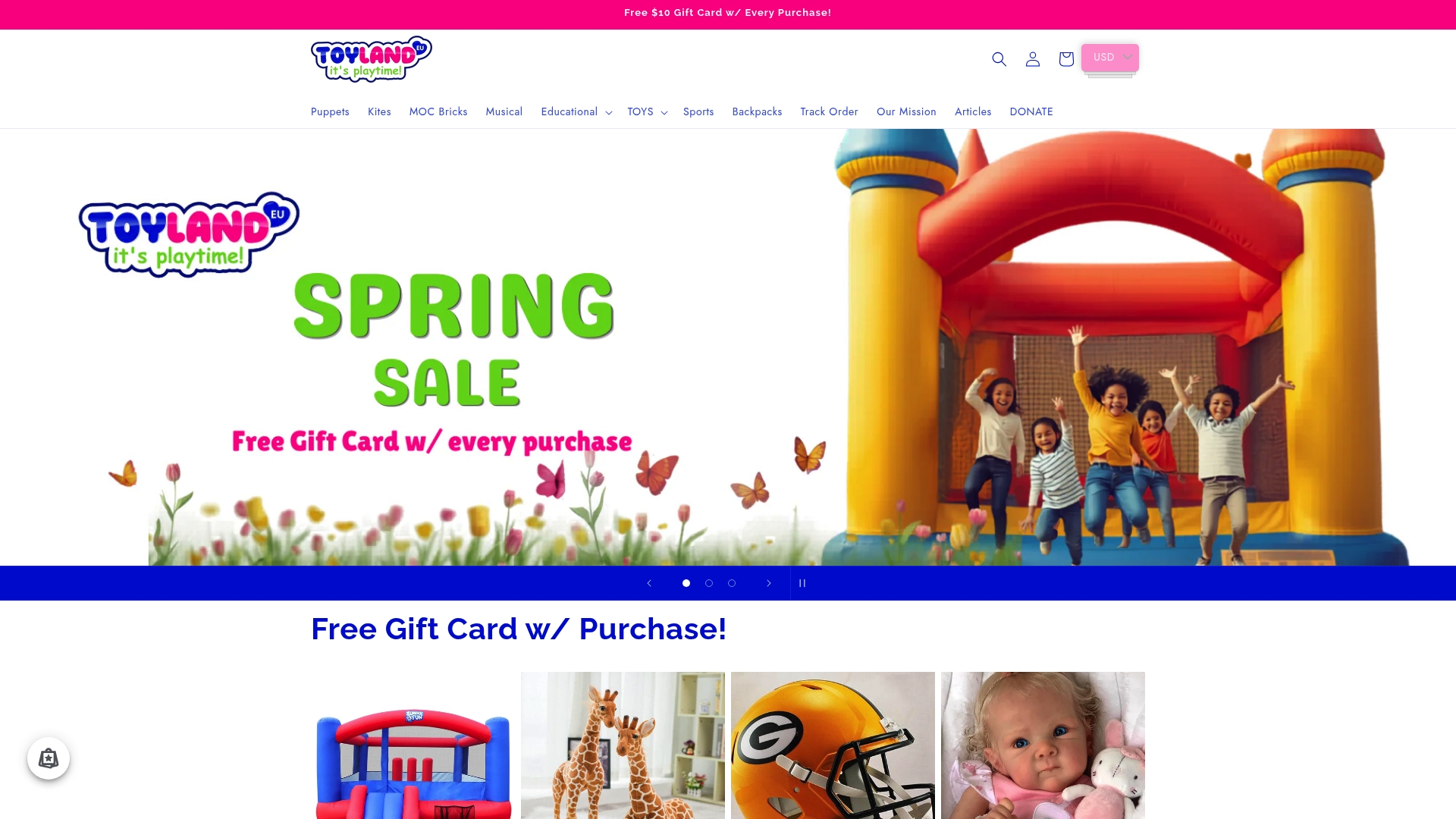
At ToylandEU, every product goes through a careful curation process. Only certified, educational, and creatively inspiring toys make it onto the platform. If you’re looking for hands-on learning tools, the Montessori art workbook is a favorite for young creative minds. For sensory and artistic development, the 24-color clay modeling kit keeps children engaged while building fine motor skills. Both items reflect the kind of thoughtful, globally inspired play that the best international toy shopping makes possible. Browse ToylandEU toys and find something that genuinely inspires your child.
Frequently asked questions
What makes international toys more diverse than local options?
International toys often feature unique designs and cultural stories that domestic brands don’t produce. Research confirms that toys reflecting cultural diversity actively enhance child development in ways locally available products often cannot.
How can I verify if an international toy is safe?
Check for recognized certifications like ASTM F963 or EN71 and buy from reputable or curated platforms. Experts recommend prioritizing certification marks over country of origin when evaluating any toy’s safety.
Are there risks of buying toys from non-European or non-certified sellers?
Yes. 86% of toys from non-EU sellers were found to be dangerous, and 96% failed EU safety standards in recent studies. Always verify certifications before purchasing.
Should I avoid international toys entirely because of safety concerns?
No, but always choose tested, certified toys from vetted stores and check for official safety marks. Lab-tested certified toys from verified platforms offer both the diversity benefits and the safety assurances every parent needs.