

Best Summer Activities for Families and Individuals
TL;DR:
- Families should evaluate outdoor activities based on fun, safety, age, and accessibility before participating.
- Focusing on fewer, well-prepared activities with proper gear and timing leads to better summer experiences.
Summer is short, and the pressure to fill it well is real. Families scroll endlessly through ideas, unsure which of the best summer activities will actually land, which are safe for every age in the group, and which are worth the effort and expense. This article cuts through all of that. You’ll find a clear framework for choosing activities, a strong lineup of outdoor summer activities and fun summer ideas, a head-to-head comparison, and expert-backed safety guidance so everyone comes home happy, not sunburned or overheated.
Table of Contents
- Key takeaways
- Table of contents
- 1. How to choose the best summer activities
- 2. Best beach activities and water fun
- 3. Hiking, parks, and nature exploration
- 4. Amusement parks and popular summer events
- 5. Water sports: kayaking, paddleboarding, and tubing
- 6. Outdoor movies, festivals, and neighborhood fun
- 7. Safety and sun protection tips
- 8. Summer activity comparison table
- Thane’s perspective
- Gear up for summer with Toylandeu
- FAQ
Key takeaways
| Point | Details |
|---|---|
| Use a selection framework | Evaluate every activity by fun level, safety needs, age fit, and accessibility before committing. |
| Layer your safety measures | Sunscreen, hydration, supervision, and protective gear work together. No single step is enough. |
| Plan and book early | Popular outdoor activities sell out fast. Arriving early or booking ahead saves disappointment. |
| Time activities wisely | Avoid peak sun hours between 10 AM and 4 PM to reduce heat and UV exposure for the whole family. |
| Add toys to outdoor play | Quality outdoor toys extend engagement and give kids a focus point during unstructured summer time. |
Table of contents
- How to choose the best summer activities
- Best beach activities and water fun
- Hiking, parks, and nature exploration
- Amusement parks and popular summer events
- Water sports: kayaking, paddleboarding, and tubing
- Outdoor movies, festivals, and neighborhood fun
- Safety and sun protection tips
- Summer activity comparison table
- Thane’s perspective
- Gear up for summer with Toylandeu
- FAQ
1. How to choose the best summer activities
Not every activity fits every family. A whitewater kayaking trip sounds thrilling until you realize your seven-year-old can’t swim confidently. A festival sounds perfect until you notice it runs from noon to 5 PM under direct sun. Before you commit, run any idea through these filters.
Fun and engagement level. The activity needs to hold attention, not just look good on a planning list. Ask your kids or group what they genuinely want to try, not just what sounds impressive.
Safety and required gear. Some activities require helmets, life jackets, or specific footwear. Properly fitting helmets and Coast Guard-approved life jackets are non-negotiable for cycling and water activities. Know what you need before you go.
Accessibility and location. Consider travel time, parking, cost, and whether the venue is stroller or wheelchair accessible. Budget-friendly summer fun is often closest to home.
Age and physical ability. What works for a twelve-year-old is not automatically right for a five-year-old. Check age minimums for any guided or equipment-based activity.
Weather and UV conditions. Check the UV Index, not just the temperature. UV rays penetrate clouds and can cause skin damage even on overcast days.
Timing. Schedule the most physically demanding outdoor summer activities for early morning or late afternoon to avoid the hottest part of the day.
Pro Tip: Cross-reference your activity list against the local UV Index forecast every morning. A UV Index of 9 can cause burns in as little as 10 to 15 minutes of unprotected sun exposure.
2. Best beach activities and water fun
The beach remains one of the most popular summer events for families. Building sandcastles, hunting for shells, and splashing in shallow waves cost almost nothing and keep kids busy for hours. For older kids and adults, boogie boarding, snorkeling, and beach volleyball add a competitive edge.
The underrated angle here: the best beach activities often happen in the first two hours after sunrise. The sand is cool, the water is calm, and the crowds are minimal. Bring a portable shade canopy and set up camp before the sun climbs. You’ll get triple the enjoyment for half the sun exposure.
Pro Tip: Pair beach visits with outdoor water toys like squirt guns and water blasters to keep younger kids entertained in the shallows while older family members swim.
3. Hiking, parks, and nature exploration
Hiking is one of the most accessible adventurous summer outings available to any family. National parks, state forests, and even local green spaces offer trail options for every fitness level. A two-mile loop through a nature preserve is as valid as a summit hike.
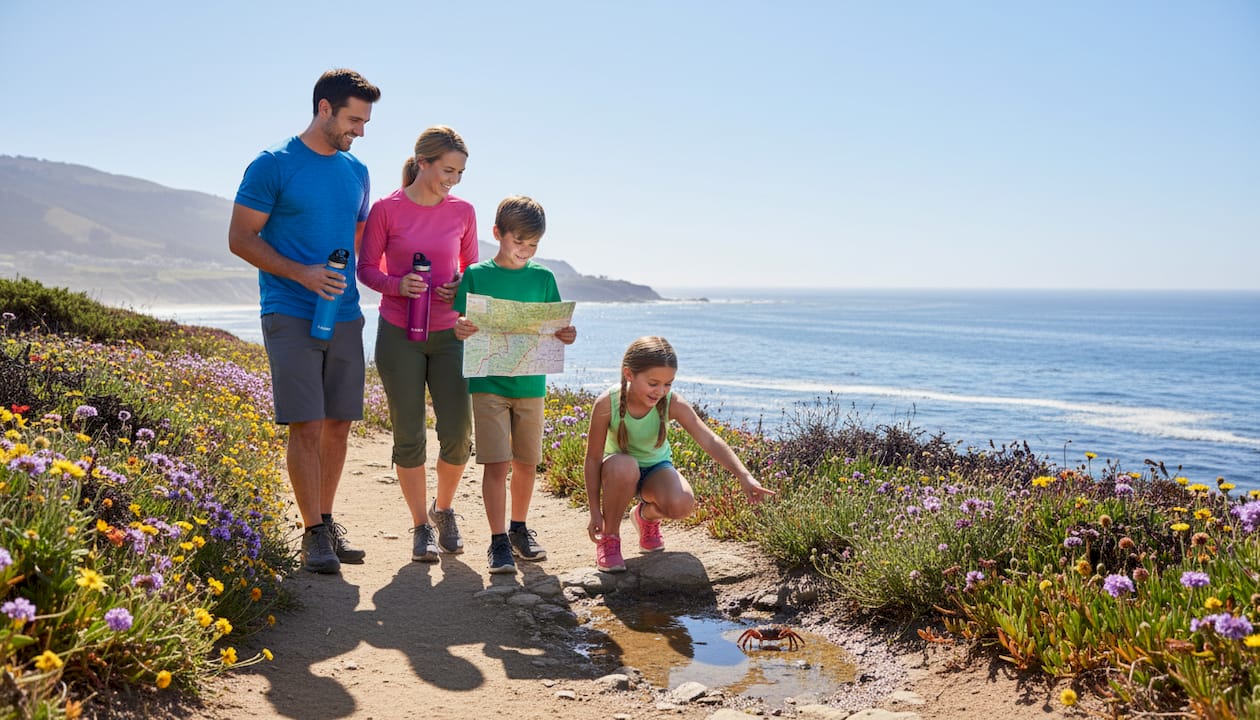
What makes hiking stick in kids’ memories is giving them a role. Let them carry their own small pack, choose which trail fork to take, or document wildlife with a camera. Children who feel ownership over an activity stay engaged far longer than passive participants.
Start with trails rated easy to moderate and build up. Carry more water than you think you need. Wear sunscreen and hats even in shaded woods because open clearings and reflective surfaces add up.
4. Amusement parks and popular summer events
Theme parks and county fairs rank high on any list of popular summer events. They pack variety into one location: rides, food, games, and live entertainment. The strategic mistake most families make is arriving mid-morning and leaving mid-afternoon, which puts them squarely in the hottest and most crowded window.
Arrive at opening. Tackle the rides you care most about within the first two hours before lines double. Take a shaded or indoor break between 11 AM and 2 PM. Return to rides as the evening cools down.
For budget-friendly summer fun, look at free local events instead. Outdoor concerts in city parks, community festivals, and drive-in movie nights offer genuine family summer fun without a major entrance fee.
5. Water sports: kayaking, paddleboarding, and tubing
Kayaking and paddleboarding have moved from niche adventure to mainstream family summer activity in the past decade. Most rental outfitters provide beginner-friendly equipment and a quick safety briefing. Kids as young as five can join on tandem kayaks.
River tubing deserves special mention. It’s relaxed, social, and one of the most genuinely fun summer ideas for groups. However, timing matters. Weekday mornings in May or September offer better conditions than peak summer weekends, with fewer crowds and more manageable heat.
One critical reminder: life jackets are required for children on any open water activity, full stop. Life jackets don’t replace supervision, so designate one adult as the dedicated watcher at all times.
6. Outdoor movies, festivals, and neighborhood fun
Outdoor movie nights have grown into genuine community experiences. Many cities and neighborhoods run free screenings from June through August, often in parks or amphitheaters. Pack a blanket, bring snacks, and arrive early for the best spot. Screens begin to show at dusk, so this is one of the few activities that naturally avoids peak sun hours.
Summer festivals covering food, culture, art, and music give families something to look forward to each weekend. Check community boards and local event apps starting in May to build your calendar early. Many free festivals still have paid zones or experiences, so budget accordingly.
For street-level fun at home, sidewalk chalk art competitions, neighborhood scavenger hunts, and backyard obstacle courses are zero-cost activities that build connection and keep kids off screens.
7. Safety and sun protection tips
This is where most summer plans fall short. Parents apply sunscreen once and consider it done. Kids drink water only when they complain of thirst. Neither approach protects well.
Here is what actually works:
- Apply SPF 30 or higher sunscreen 15 to 30 minutes before going outside and reapply every two hours, including after swimming.
- Children under 6 months should not use sunscreen. Use shade and protective clothing instead.
- Schedule hydration every 15 to 20 minutes for active kids. Children often ignore thirst when they are engaged in play.
- Use electrolyte drinks without added sugar when kids are sweating heavily.
- Know the symptoms of heat exhaustion: heavy sweating, weakness, and pale skin. Heat index over 90°F calls for shade or indoor breaks immediately.
- Designate a specific adult as the water watcher during any swim session. Rotate the role consciously rather than assuming someone is watching.
- Dress kids in lightweight, light-colored, UPF-rated clothing for long outdoor sessions. For infants, ultralight sandals and UPF footwear reduce heat buildup on sensitive skin.
Pro Tip: Treat safety as a combined strategy of layers rather than relying on any single protection. Swim lessons plus a life jacket plus a designated watcher is far safer than any one of those measures alone.
8. Summer activity comparison table
| Activity | Safety gear needed | Best age group | Location type | Best timing |
|---|---|---|---|---|
| Beach visit | Sunscreen, shade canopy | All ages | Coastal or lake | Early morning |
| Hiking | Sunscreen, water, sturdy shoes | 5+ years | Trails, parks | Early morning |
| Amusement park | Sunscreen, hat | 3+ years | Urban, suburban | Morning, evening |
| Kayaking or paddleboarding | Life jacket, sunscreen | 5+ (tandem) | Lakes, calm rivers | Morning |
| River tubing | Life jacket, water shoes | 7+ years | Rivers | Weekday mornings |
| Outdoor movies | Blanket, bug spray | All ages | Parks, plazas | Evening |
| Backyard or neighborhood play | Sunscreen, water | All ages | Home | Morning, evening |
Thane’s perspective
I’ve watched a lot of families, including my own, over-plan summers and under-prepare them. We’d book three activities in one day, forget sunscreen at home, and end the afternoon with one cranky child and two sunburned adults. Memorable, sure. But not in the way we hoped.
What I’ve learned is that the best summer experiences come from doing fewer things with more intention. One well-chosen activity with the right gear, the right timing, and a genuine hydration plan beats four rushed outings every time. I’ve also seen how much kids thrive when you add a focused play element to outdoor time. A remote control car on a flat park path or a water toy at the beach gives younger kids a purpose and keeps them engaged while adults set up or wind down.
My honest advice: stop trying to fill every day. Pick two or three standout experiences per week. Prepare them properly. Let the rest of the summer breathe.
— Thane
Gear up for summer with Toylandeu
If you are building out your family’s summer activity kit, outdoor toys make a real difference in how long kids stay engaged. Toylandeu carries an extensive selection of toys built for active summer play, from water blasters and kites to remote-controlled vehicles that work beautifully in parks, driveways, and open spaces.

One standout option this season is the gesture-controlled stunt car from Toylandeu, which lets kids control a 360-degree RC car using hand movements alone. It’s a genuine crowd-stopper at parks and family events. Toylandeu offers free worldwide shipping and over 30,000 products, making it easy to find something that fits your family’s summer style. Browse the full catalog and find the toys that turn a good summer into a great one.
FAQ
What are the best summer activities for families on a budget?
Beach visits, hiking local trails, outdoor movies, and neighborhood events are excellent budget-friendly options. Many community parks and city programs offer free family summer fun throughout the season.
What time of day is safest for outdoor summer activities?
Early morning or late afternoon is best. Peak sun hours run from 10 AM to 4 PM, and scheduling active time outside that window significantly reduces heat and UV risk.
How often should kids drink water during outdoor activities?
Kids should drink water every 15 to 20 minutes during active outdoor play, regardless of whether they feel thirsty. Electrolyte drinks without added sugar are a good supplement during high-sweat activities.
Do I need to book summer activities in advance?
Yes, for guided or equipment-based activities. Many tour operators sell out rapidly and do not offer reliable last-minute online booking. Arriving early at activity desks is the safest approach for popular summer outings.
What summer sports are best for kids under 10?
Swimming, hiking on easy trails, beach volleyball in modified formats, and casual kayaking on calm water are all strong choices. Pair any water-based activity with a properly fitting life jacket and a designated adult watcher for safety.
Recommended
- The Ultimate Guide to Outdoor Water Toys for Kids: Benefits, Safety Ti – ToylandEU
- Summer 2026 Bouncy House Safety Tips for Kids’ Fun & Security – ToylandEU
- Engaging outdoor toys for kids: fun ideas and examples – ToylandEU
- Why Outdoor Toys Matter for Students: Health, Learning, and Play – ToylandEU