

What CPSIA Toy Rules Mean for U.S. Shoppers in 2026
If you’re buying a toy for a child 12 or under, CPSIA toy rules require that toy to meet federal lead and phthalate limits, pass third-party lab testing, and carry a manufacturer’s Children’s Product Certificate (CPC) before it ever reaches a store shelf or checkout page. That’s the whole rule in one sentence. The single most useful thing you can do with that information is check the age label, look for a certification mark, and search the item on CPSC.gov/recalls before you click “buy.”
Here’s why this matters more than most shoppers realize. CPSC data tied to its holiday safety messaging points to roughly 154,700 emergency room-treated toy injuries among kids 12 and younger in a single year. Age grades on packaging aren’t marketing copy. They reflect a technical assessment of what a child’s body and brain can safely handle, not a judgment about intelligence or how “grown-up” a toy looks.
Before you check out on any toy listing, run through this:
- Confirm the age label matches the child’s actual age, not just their interests.
- Look for choking-hazard warnings on anything with small parts.
- Search for a certification mark or mention of third-party testing.
- Check who the item is “sold by,” not just which site hosts the listing.
- Search the product name at CPSC.gov/recalls before you pay.
Key Takeaways
CPSIA toy rules exist to keep lead, phthalates, and untested materials out of children’s hands, but the certification system only works if shoppers actually check the label.
| Point | Details |
|---|---|
| Match age labels precisely | Age grades reflect developmental ability, not intelligence, so follow them exactly. |
| Confirm third-party certification | Look for certification marks or testing mentions tied to the Children’s Product Certificate (CPC) system. |
| Verify seller identity | Check “sold by” details before buying, since counterfeit toys often skip required testing. |
| Treat pre-2008 toys with caution | Vintage and secondhand toys made before CPSIA’s stricter limits may not meet current lead and phthalate standards. |
| Shop Toylandeu™ with the checklist in hand | Toylandeu™ lists age grades and product details clearly, but shoppers should still verify certification and recalls before buying. |
Table of Contents
- Common Toy Hazards Every Parent Should Recognize
- Are Vintage and Secondhand Toys Safe to Buy?
- Toylandeu™'s Take on Buying Safer Toys
- Shop Smarter on Toylandeu™, But Verify Every Time
- Where to Verify Toy Safety Before You Buy
- Sources
- FAQ
Common Toy Hazards Every Parent Should Recognize
CPSIA toy rules address material safety, but plenty of real-world hazards fall outside lead and phthalate limits entirely. Small parts remain the classic choking risk for kids under three, which is exactly why age labels on building sets and dolls with tiny accessories deserve a second look.
High-powered magnet sets are a separate and serious concern. Ingesting more than one magnet can pull through intestinal walls and require surgery, and while manufacturing certain magnet sets is now restricted, older or imported toys can still carry loose magnetic pieces without adequate warnings, according to CPSC’s resellers guidance. Button batteries in light-up toys pose a similar swallowing danger and need a secured, screw-locked compartment.
Ride-on toys and scooters bring a different risk profile: stability, braking, and helmet compatibility matter as much as material safety. Balloons cause more choking deaths in young children than almost any other toy category, largely because a burst balloon piece is soft, quiet, and easy to inhale. Cords, strings, and drawstrings on plush toys or pull toys can catch around a toddler’s neck.

Smart toys add a newer wrinkle: microphones, cameras, and Bluetooth pairing raise privacy questions CPSIA never anticipated, so check the manufacturer’s data policy before connecting a toy to Wi-Fi or an app.
Are Vintage and Secondhand Toys Safe to Buy?
Treat any toy made before 2008 with real caution. CPSIA’s stricter lead and phthalate limits took effect that year, so toys manufactured earlier, including many hand-me-downs, thrift-store finds, and inherited toy chests, were never tested against today’s standards, according to consumer guidance from Public Interest Network’s Trouble in Toyland report.
That doesn’t mean every vintage toy is dangerous. It means the burden of checking shifts entirely to you. Painted wooden toys, older dolls, and metal die-cast vehicles from before 2008 are the categories most likely to carry lead-based paint or unregulated soft plastics. Peeling paint, chipped surfaces, and a strong plastic odor are red flags worth trusting.
If you’re buying secondhand, whether at a yard sale, resale app, or antique shop, a few habits go a long way:
- Ask the seller directly whether they know the toy’s manufacture year.
- Inspect for loose small parts, broken magnets, or exposed batteries.
- Skip anything with peeling or flaking paint, especially on wooden or metal toys.
- Avoid toy chests with heavy, unsupported lids, a documented hazard in CPSC’s own resale guidance.
Vintage toys can be genuinely special gifts. They just require the inspection that a new, CPC-certified product already passed on your behalf.
Toylandeu™'s Take on Buying Safer Toys
Toylandeu™ backs every listing with clear age labels, product descriptions, and certification details so shoppers aren’t guessing. We link out to recall resources rather than hiding from them, because transparency is the actual point of CPSIA-era rules. For deeper reading, our content hub covers this in more detail, notes Thane Holland.

Shop Smarter on Toylandeu™, But Verify Every Time
Toylandeu™ carries thousands of age-graded toys, from Montessori-style drawing kits to gesture-controlled RC stunt cars, each listed with age recommendations and product details up front so you’re not digging through fine print to find them.
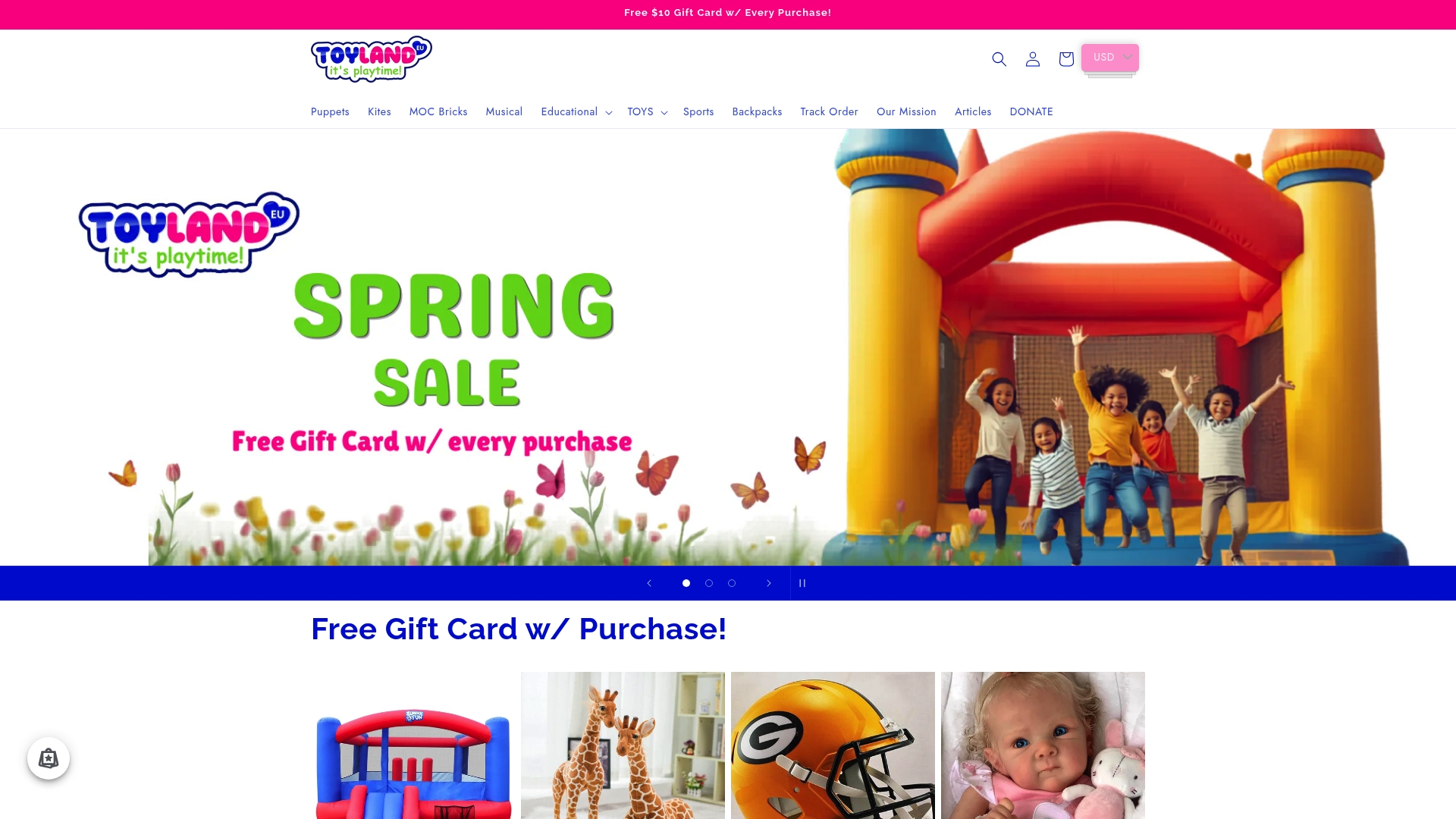
That convenience doesn’t replace your own five-second check. Before you complete any purchase, on Toylandeu™ or anywhere else, confirm the age label fits your child, look for a certification mark or mention of third-party testing, and check the seller information listed on the page. A low price or a glowing star rating tells you nothing about whether a toy passed lead and phthalate testing. Browse our remote-control vehicle collection or creative kits for kids, then run the checklist above before you check out.
Where to Verify Toy Safety Before You Buy
Check CPSC.gov/recalls for recall history and SaferProducts.gov to file or review hazard reports.
- CPSC.gov/recalls: search by product name or brand before purchase.
- SaferProducts.gov: report injuries or hazards and read others’ reports.
- CPSC toy safety guidance: background on age labels and testing rules.
If you find a recalled or unsafe toy, stop using it immediately, keep the packaging as evidence, and report it to both the seller and SaferProducts.gov.
Sources
- Toy safety
FAQ
What does CPSIA stand for and what does it actually require?
CPSIA is the Consumer Product Safety Improvement Act of 2008, and it made the toy safety standard ASTM F963 mandatory along with strict lead and phthalate limits and third-party testing.
What is a Children’s Product Certificate (CPC)?
A CPC is a document manufacturers or importers issue to certify a toy passed required testing at a CPSC-accepted lab; shoppers typically won’t see the CPC itself, only a certification mark or mention of testing on the listing.
How do I check if a toy has been recalled?
Search the product name and brand directly on CPSC.gov/recalls before buying, and check again periodically if the toy stays in your home long-term.
Are toys from before 2008 unsafe?
Not automatically, but they were never tested against CPSIA’s current lead and phthalate limits, so inspect for peeling paint, loose magnets, and broken small parts before letting a child use one.
Does Toylandeu™ list age and safety information on its products?
Yes, Toylandeu™ lists age recommendations and product details on every listing, though shoppers should still verify certification marks and check recall status themselves before purchase.
Recommended
- 2025 Toy Safety Standards: How They Boost Parental Confidence & Choices – ToylandEU
- Toy Safety Regulations 2025: Reinforcing Parental Trust & Child Safety – ToylandEU
- 2025 Toy Safety Regulations: How They’re Protecting Kids Better Than Ever – ToylandEU
- 2025 Toy Safety Rules Boost Parental Confidence & Child Protection – ToylandEU